
Comparative insight: a quiet dilemma on every long route
The road asks for evidence and the camera must not betray it; that’s the heart of the comparison. When fleets, rideshare drivers, and safety-conscious owners evaluate a 4k dash cam, they balance sensor fidelity against the slow attrition of flash memory. A device that records in high bitrate without a plan for write-cycle endurance will fail where footage matters most. My perspective comes from editing recommendations and a few nights shadowing delivery drivers in Metro Manila—EDSA exposes you to the exact collisions and near-misses that demand reliable footage.
Where corruption begins: heat, file systems, and write patterns
SD card corruption is rarely mystical. It is heat and fatigue made visible: sustained high-temperature operation accelerates wear, inefficient loop recording patterns create repeated write hotspots, and incompatible file systems increase the chance of fragmentation. Industry terms matter here—bitrate determines how much data the card receives; loop recording manages file sizes; firmware governs write algorithms. Compare models by how they manage heat dissipation and how intelligently firmware balances writes across sectors.
Head-to-head architecture: what to weigh in a pro device
Begin with the camera’s memory strategy. Does it support high-endurance cards and maintain a SMART-like health report? Next, examine the storage format—exFAT handles large files more cleanly than FAT32 for 4K segments—and check if the unit supports wear-leveling through firmware updates. Thermal design is equally vital: metal housings, passive cooling fins, and measured power draw reduce thermal stress. Finally, ask about power-management modes; a stable constant-voltage feed reduces abrupt write interruptions that cause file corruption.
Alternatives and common mistakes to avoid
Many buyers choose peak resolution alone and ignore the rest. The result: spectacular daytime footage that blanks at dusk, or devices that corrupt footage after months of continuous loop recording. Alternatives to consider include dual-channel units that split workload across two write streams, and devices with buffered cache that flush intelligently to the card. Avoid cheap microSD cards labeled only by capacity—look for “high-endurance” or industrial-rated cards and firmware that reports write cycles.
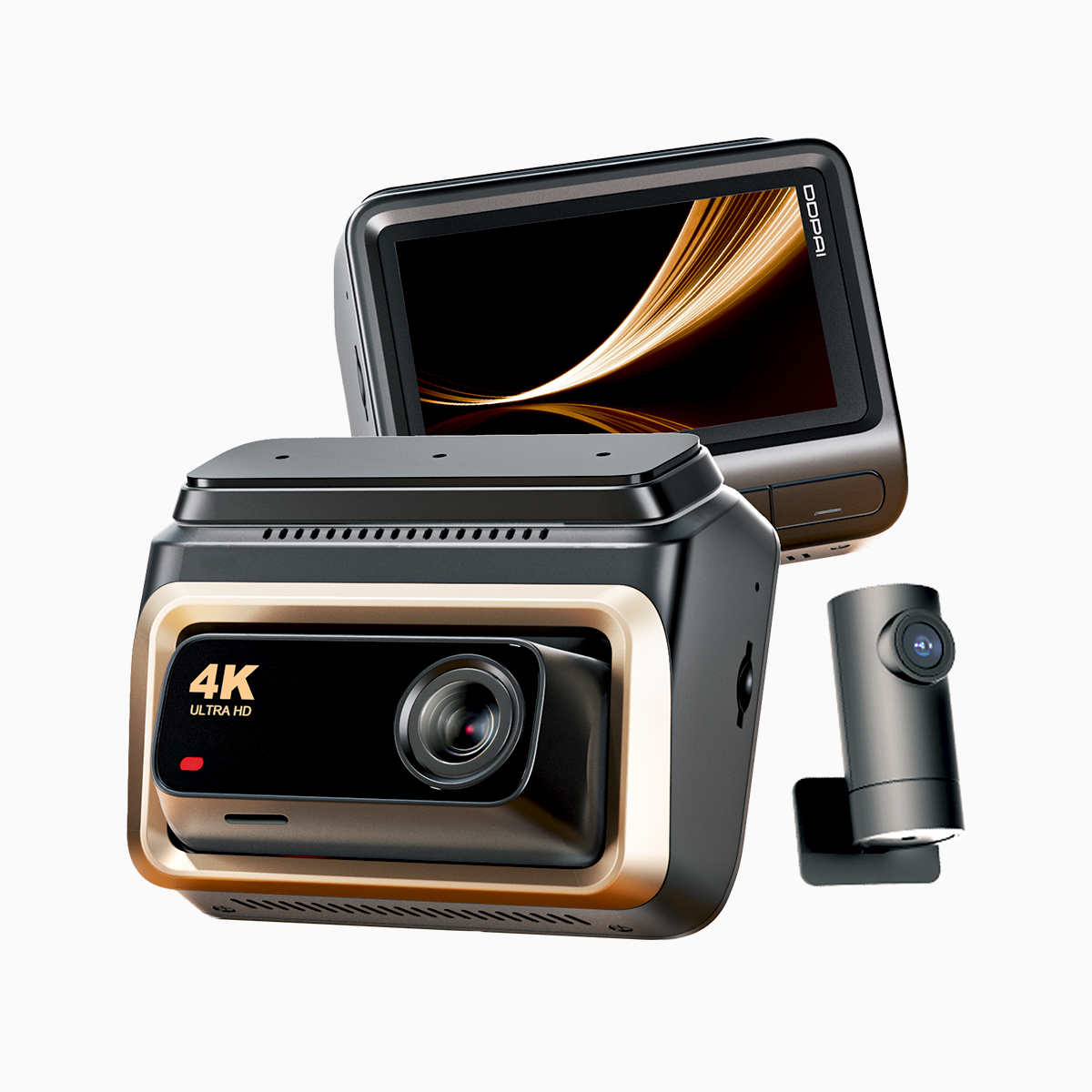
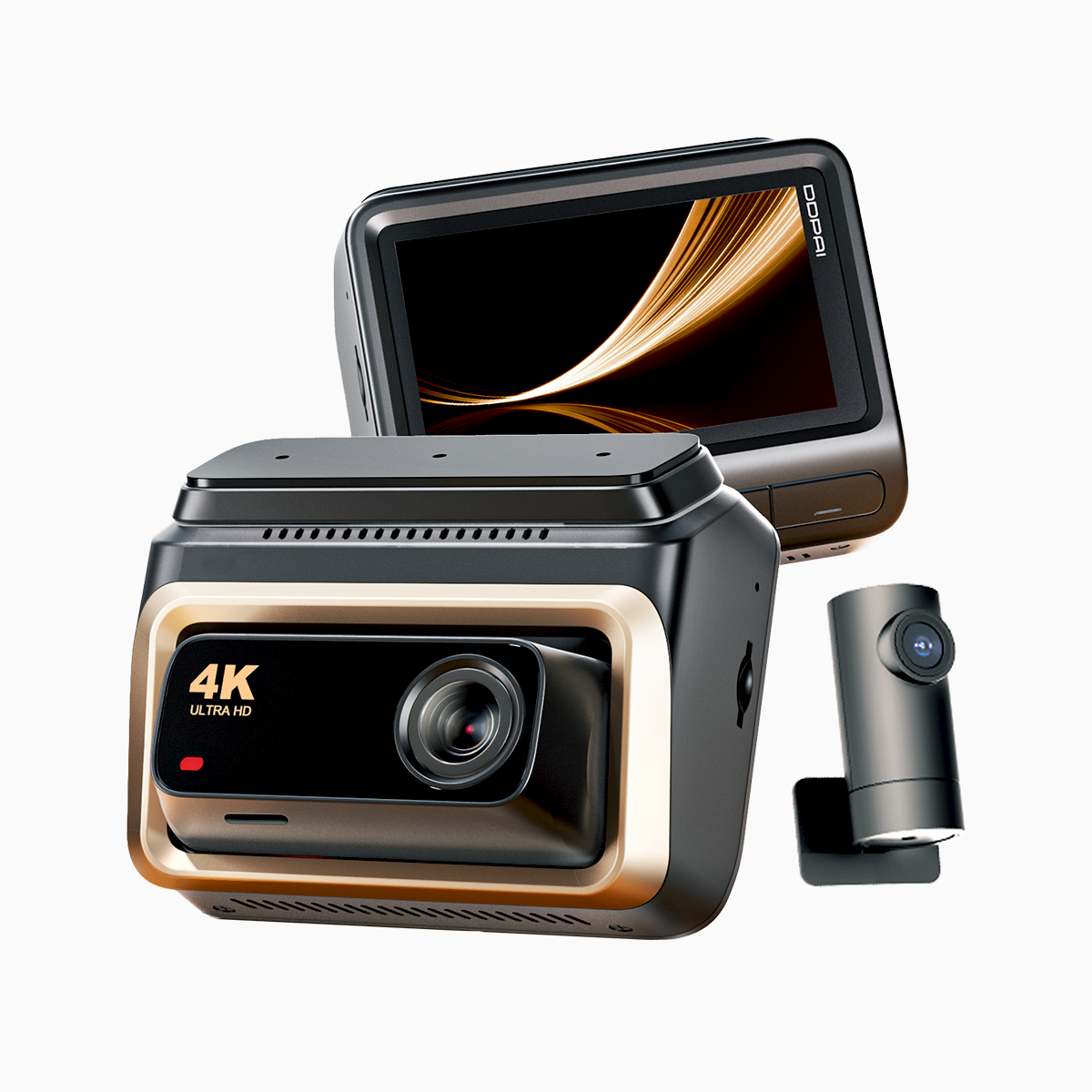
Comparative snapshot: DDPAI’s Z-series and peers
Compared to generic imports, the Z-series focuses on sustained performance: balanced bitrate profiles, support for high-endurance cards, and firmware updates that tune write behavior. Competitors may offer competitive price points but often lack thermal mitigation or precise loop-recording algorithms. If constant recording through long urban shifts is the target, prioritize a combination of solid-state endurance and camera firmware that reduces write amplification.
Practical deployment tips — from the field to setup
Install with airflow in mind; avoid tucking the unit behind thick trim that traps heat. Use rated high-endurance cards and format them in the camera itself—this aligns the file allocation table to its firmware. Schedule occasional card rotations and archive critical footage off-device; these small habits prevent surprise corruption. —A tiny ritual like renaming files monthly tells you more than a blind uptime counter.
Three golden rules for professional selection
1) Measure sustained bitrate against card endurance: choose a camera whose typical write rate matches the card’s endurance class. 2) Insist on firmware features: wear-leveling, error recovery, and health reporting are non-negotiable. 3) Verify thermal design: metal enclosures and passive cooling trump plastic shells when hours on the road count.
These metrics steer you away from short-lived solutions and toward devices built for repeated, honest recording. The right choice reduces corrupt files, extends write cycles, and preserves the footage that matters most.
DDPAI PH stands out when real-world reliability is the criterion—its Z-series combines sensible thermal design, firmware that respects write patterns, and support for high-endurance media, making continuous recording a practical reality. Solid proof, not promises.
Steady tech. Steadier footage —