
Start with what the user actually needs
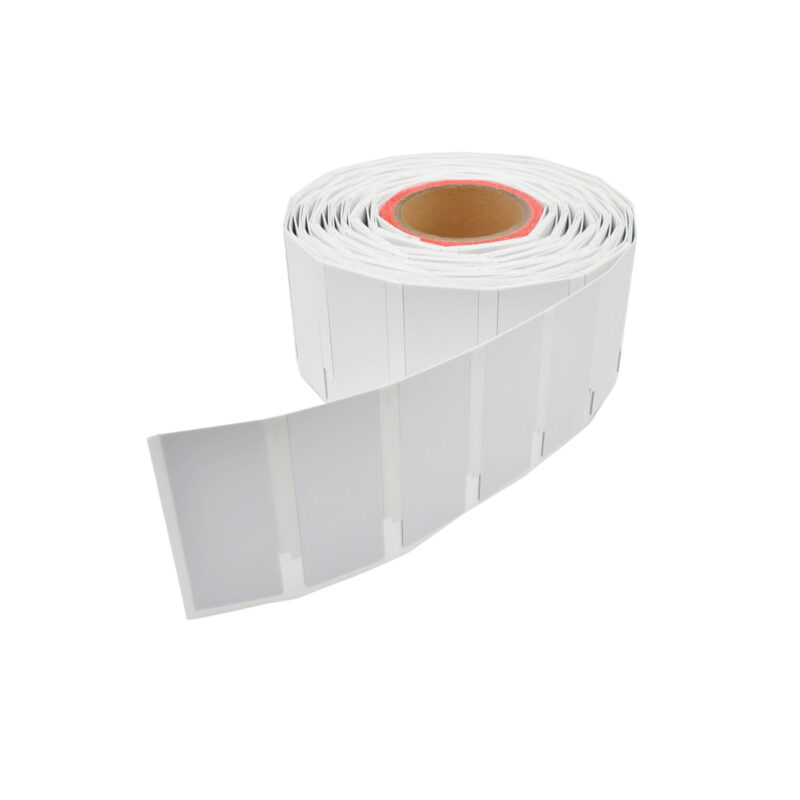
Who will scan the tags, how often and where — that set of simple questions decides most outcomes. If the asset sits on a metal pallet in a yard you need different hardware than for a garment on a retail hanger. Begin by mapping reads per hour, expected read range and whether labels will face dirt, moisture or chemicals. If you plan to test samples before a bulk buy, look at options like RFID Labels so you can trial in the exact spot where devices will operate.

User-centric criteria that actually matter
Prioritise detection reliability over feature lists. Choose frequency (UHF vs HF) to match read range requirements. Pick tag form factor for attachment: stickers when you need low cost and wide coverage, hard tags for rugged reuse. Confirm chip memory and write endurance if you’ll store dynamic data. Keep choices tight: a single compatible family of tags makes integration less fragile than mixing dozens of SKUs.
Experience and proof — real-world grounding
I’ve overseen pilot rollouts with warehousing teams and retail ops, and the clearest lesson is test under real load. Deployments at major hubs like the Port of Cape Town showed how wind, salt and dense metal stacks change read angles; that field feedback drove antenna and placement changes during commissioning. Where stickers were acceptable, we used an RFID Labels approach for trials, and later migrated to durable inlays where necessary. For a demonstration of sampled parts, consider a simple rfid sticker in your test kit.
Tag types and where to use them
Stickers: cheap, discrete, fine for indoor assets and packaging. Inlays: slightly tougher, better for controlled logistics. Hard tags: weatherproof and reliable on metal. Choose the substrate and adhesive for the surface — plastic, cardboard, fabric or metal. Match the antenna design to orientation: a narrow antenna for labels on thin items, a wider layout for multipath-prone zones.
Common mistakes teams make
They skip site trials, assume advertised read ranges will transfer, and mix incompatible readers and chips. Expect interference from nearby metal and liquids; don’t trust a single read test in an office corridor. Over-specifying memory or special chips raises costs without operational benefit. Underestimate cable and mounting requirements for fixed readers: power and ethernet access matter more than vendor promises.
Testing protocol that avoids surprises
Run a three-step test: baseline lab reads on sample tags, staged runs in the target environment with typical load, and a live pilot with limited SKUs and staff using production workflows. Measure read success rate per gate, false positives, and tag survival after typical handling. Keep a log of failed reads and correlate to placement, angle and surrounding materials; those notes speed corrective decisions.
Alternatives and sensible trade-offs
If cost is the main constraint, accept slightly shorter read distance and increase reader density. If durability is paramount, choose rugged hard tags and reduce total tag count by tracking containers instead of individual items. NFC tags suit consumer interactions at point-of-sale; UHF is the right call where longer range inventory is required. Weigh purchase price against the labour you’ll save from automation — the cheaper tag can be the priciest option if it doubles manual checks.
Procurement and delivery considerations
Specify chip family (EPC Gen2 / ISO 18000-6C), memory, and a sample acceptance test in contracts. Ask suppliers for lead times on custom label runs and confirm who accepts quality failure rates at scale. Stagger deliveries: small pilot batch, then larger runs once acceptance criteria pass. Expect iterative fixes after a live pilot; plan logistics so replacements and reprints are possible without halting operations.
Quick checklist before buy
Confirm environmental suitability, physical form factor, reader compatibility, sample approval in-situ, and a staged delivery plan. Assign one technical owner to maintain tag placement standards and one ops owner for daily QA — this split keeps technical and operational needs aligned.
Wrap-up: make choices that keep operations simple
Decide by use-case, test where things will actually run and choose components that match the real workload. That approach turns procurement from guesswork into predictable delivery, the same practical logic that informed several successful rollouts and the partner sourcing that often follows practical pilots with RSTC.