
The immediate problem
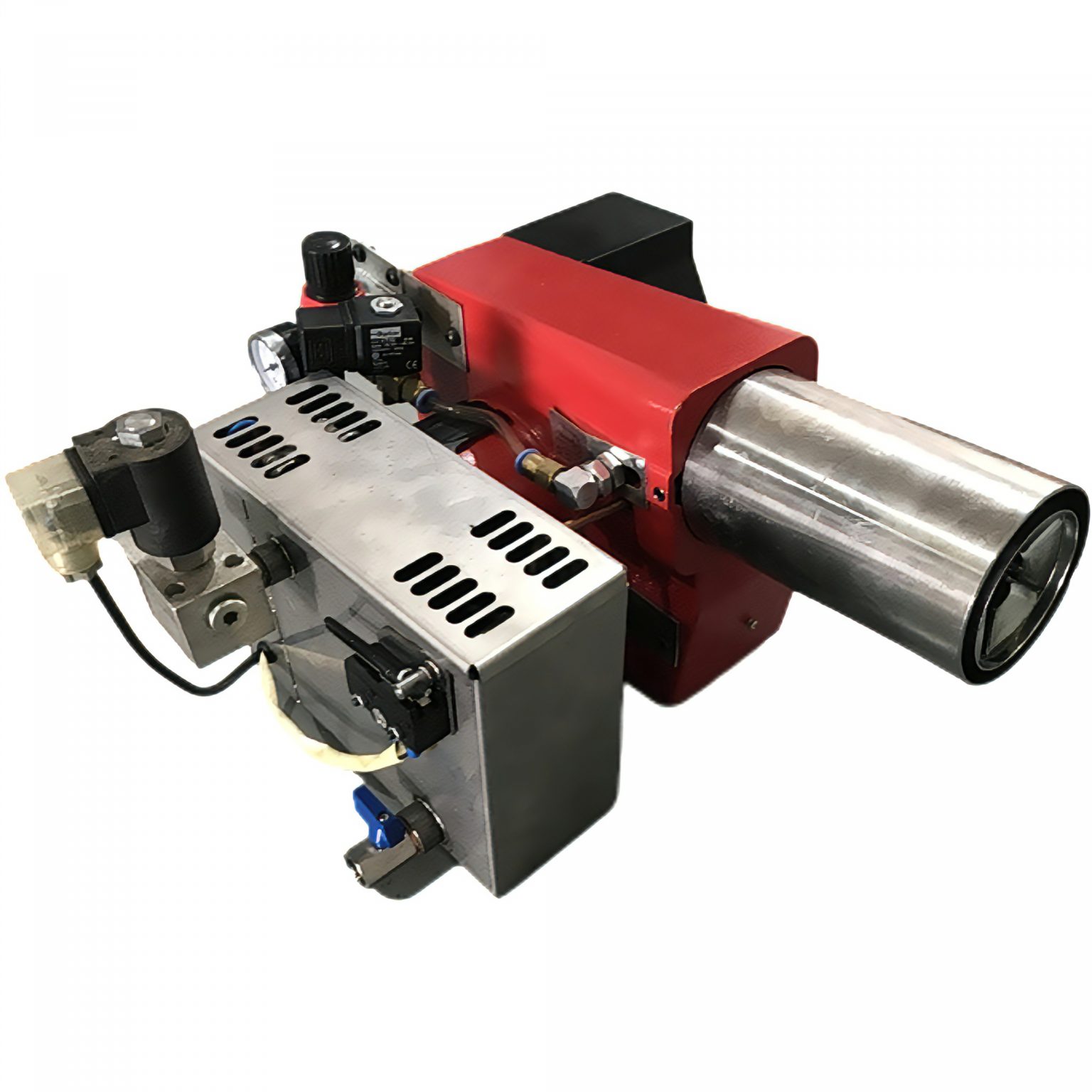
Local plants lose hours every month to unstable combustion, manual tuning and surprise shutdowns. That drains fuel budgets and stresses maintenance teams. A common quick fix is swapping burners or burning low-cost oil, which creates new problems unless the workflow is changed first — for example, when teams add an industrial waste oil burner without revising routines or measurement points.
Where the workflow breaks down
Most failures come from three concrete sources: missing baseline measurements, ad-hoc tuning by different technicians, and weak feedback loops between operations and maintenance. Sensors are often placed for convenience, not insight. Procedures exist on paper but not as repeatable steps. That produces variable combustion quality and hidden emissions spikes.
Practical fixes that work
Start with a short measurement campaign: record stack temperature, excess oxygen and fuel flow during three representative shifts. Set two fixed checkpoints for daily checks and one for weekly in-depth logging. Standardise a tuning procedure: set target excess O2, adjust air-fuel ratio in defined increments, verify soot and CO. Train one technician to own the procedure for 90 days, then rotate ownership with a checklist. Use mechanical maintenance windows to inspect nozzles and fuel filters; small mechanical faults magnify control errors.
Common mistakes to avoid
Don’t chase one-number targets without context. High efficiency with unstable flame is worse than slightly lower efficiency with steady combustion. Don’t allow undocumented experiments on live burners. Avoid replacing a control strategy when the real problem is fouled heat transfer surfaces or inconsistent fuel quality. If you add alternative fuels, test them in a controlled sequence, not all at once.
Quick evaluation of viable alternatives
Gas burners simplify control but can raise fuel cost. Dedicated oil burners handle lower-grade fuels but need stricter filtration and nozzle care. Waste oil solutions reduce disposal costs but demand robust pre-treatment and monitoring. When comparing, score each option on three metrics: control stability, maintenance overhead, and predictable emissions. Short trials under measured conditions give the best answer faster than debate.
Real-world anchor: practical context
In Rotterdam’s port-area workshops, teams often mix reclaimed fuels and traditional oil, which forces attention on workflow rather than theory; a simple workshop audit there showed that aligning daily checks with fuel deliveries halved unscheduled service calls when plants used a waste oil furnace. The lesson: local conditions and clear routines matter more than headline performance figures.
How to keep progress steady
Make documentation brief and local: one laminated checklist at the burner, one logbook entry per shift, one annotated monthly report. Review with operations and maintenance together. If measurements drift, suspect hardware first. Small, repeatable actions beat sporadic expert interventions. Build a simple escalation path: if CO or soot exceed thresholds, stop manual tuning and call the trained owner.
Final synthesis
This problem-driven approach gives plant teams clear actions: measure before changes, standardise tuning, avoid simultaneous experiments, and test alternative fuels under controlled conditions. Those steps turn inconsistent burner behaviour into predictable output and lower operating cost — a practical outcome you can trace back to the workflows and tools that teams use day to day, including the solutions and parts available from Career Burners.