
Opening: the problem-driven question
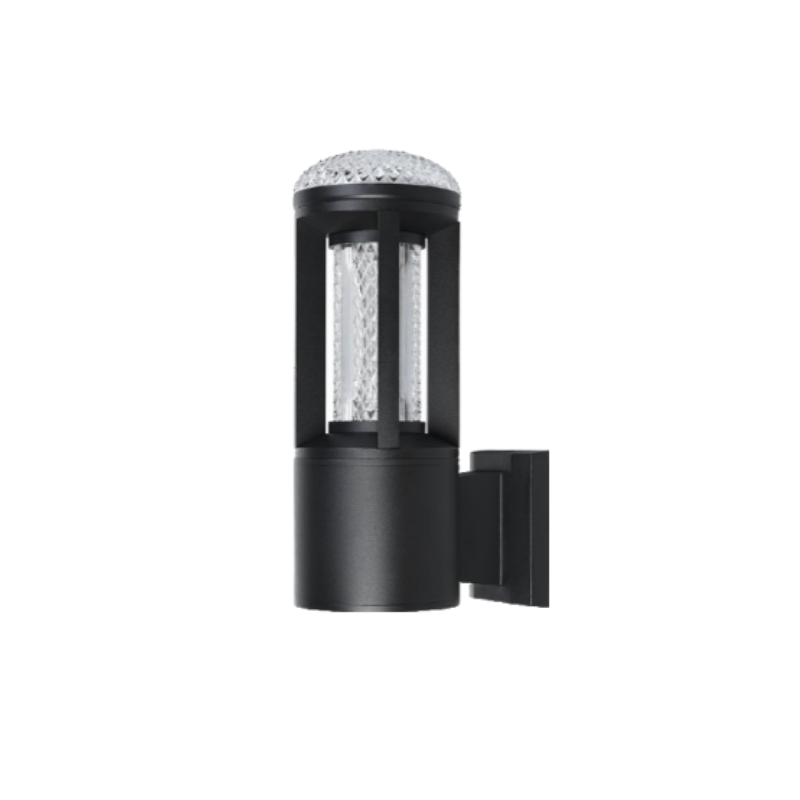
Why do beautifully specified garden fixtures sometimes flicker or fail long before their rated life? In commercial landscapes the usual suspects are predictable: long runs, undersized conductors, and inadequate surge protection. If you’re specifying systems for plazas, rooftop gardens, or civic parks, small choices at the design stage—wire gauge, transformer placement, the type of LED driver—determine downstream reliability. Early on, consider the fixture type: a robust waterproof outdoor wall lights or a recessed path luminaire will each impose different voltage and surge demands.
The core technical constraints explained simply
Voltage drop is the gradual loss of voltage along a circuit as current travels through the cable; longer runs and thinner wire increase the effect. Surge protection shields sensitive electronics—LED drivers and control modules—from transient overvoltages caused by lightning or switching events. Transformers and LED drivers have input limits and inrush characteristics that must match the supply and downstream loads. When these elements aren’t aligned, you get dimming, color shift, or premature failure. The fix starts with a conscious system-level calculation, not ad hoc field work.
Real-world anchor: lessons from a long urban run
Take New York City’s High Line retrofit as an illustrative case: long, continuous runs feeding linear and wall-mounted fixtures required careful staging of transformers and attention to IP rating at every junction. Installers measured voltage at intervals and added mid-run power feeds to keep voltage within acceptable tolerances. That site-level discipline reduced maintenance calls and extended fixture life—proof that planning pays off.
Common field mistakes and simple corrections
Installers and specifiers regularly make the same avoidable errors: underestimating load diversity, trusting assumed rather than measured line losses, or skipping surge arrestors because they “haven’t had problems before.” A practical correction is to model the circuit early with expected lumen outputs, then choose a transformer and wire gauge that keep end-of-line voltage within the LED driver’s acceptable range. Also, use surge protection rated for your site environment—IP-rated units for wet locations and coordinated protection for long feeder runs. —
Quick checklist for on-site verification
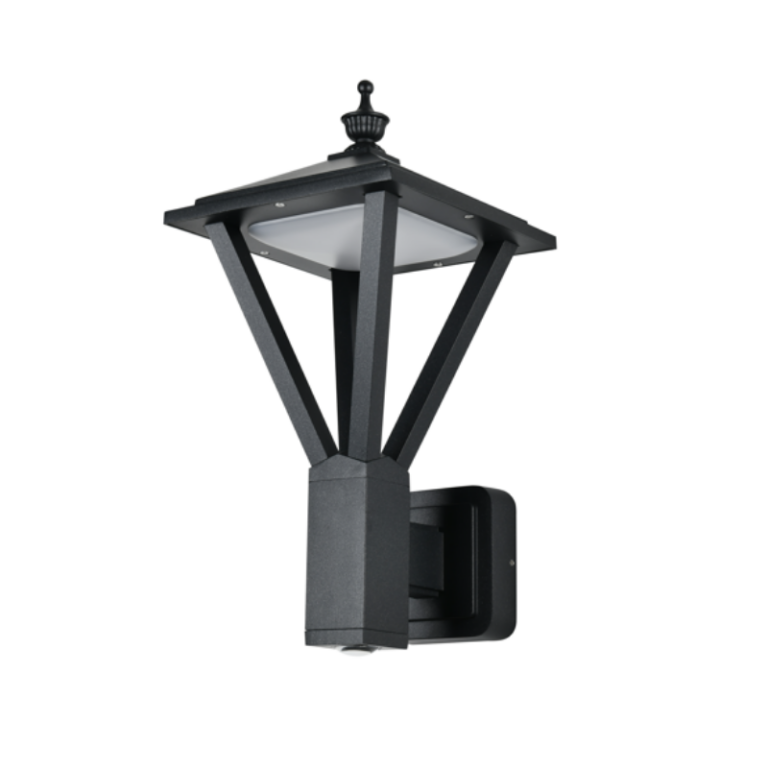
Before closing trenches or finalizing wiring, run this minimal checklist:- Measure voltage at the farthest fixture under full load and compare to driver specs.- Confirm wire gauge and run length against calculated voltage drop (keep drop under manufacturer limits).- Verify surge protective devices are specified for the system’s maximum short-circuit current and local lightning risk.
Three golden rules (evaluation metrics) for procurement and design
1) Voltage Compliance Rate — target: end-of-line voltage within the LED driver’s tolerance (typically ±10% of nominal). This metric predicts dimming and color consistency. 2) Surge Withstand Plan — documented coordination between primary protection (service entrance) and localized surge devices, plus IP rating for outdoor units. This reduces downtime from transients. 3) Installation Resilience Index — a composite of accessible transformer locations, spare feeder capacity, and measured QA pass rates during commissioning. It correlates with long-term maintenance costs.
Common alternatives and what they cost you
You can choose several mitigation strategies: upsizing feeders (higher copper cost, lower maintenance), adding mid-run power nodes (higher initial labor, easier future expansion), or specifying remote LED drivers to shorten 12V/24V runs (changes in maintenance and enclosure needs). Each option trades capital cost against operational risk; the right balance depends on expected run lengths, local climate risk, and project lifecycle budgets.
Closing advisory and brand alignment
Three critical evaluation metrics to carry forward: validate actual end-of-line voltage under load, ensure coordinated surge protection with appropriate IP ratings, and design for accessible power staging to reduce future rewiring. When these boxes are checked, commercial garden lighting becomes reliably beautiful, not a maintenance liability. In practice, that reliability is exactly what brands like garden wall lights aim to deliver through component selection and spec guidance; thoughtful product choice simplifies the engineering burden and speeds commissioning. Keyida. —