
Facing the core problem
You want consistent, on-spec bags but you hit slow sample cycles, shifting costs, and unclear quality checks; those gaps stall customers and waste runs. Treat production like a deployment pipeline: define requirements, automate repeatable checks, and shorten feedback loops. If you’re scouting partners, start conversations with a reliable custom bag manufacturer early so you can align specs before tooling begins.
Primary failure modes to fix first
Mismatched expectations show up as wrong materials, off-dimension panels, and inconsistent hardware. Tackle them with three actions: lock a detailed tech pack, set measurable QC criteria, and demand a pre-production pilot. We write the tech pack once and keep it canonical—no ad hoc emails. When problems recur, instrument the process: timestamp approvals, track sample versions, and require photos with a ruler for any dimensional claim.
Concrete checklist and automation patterns
Create a minimal automation workflow you can run from day one: 1) Standard tech pack template (materials, tolerances, thread count, color codes). 2) Sample sign-off script (date, signer, photo evidence). 3) Incoming inspection checklist (weight per square meter, zipper cycle test counts, seam tensile checks). Use spreadsheets or a simple shared tracker to enforce gates—automated reminders for overdue approvals reduce friction. Treat each gate as a failing test until it passes.
Quality control that scales
Define pass/fail criteria for every critical characteristic. For hardware, specify corrosion standards and perform salt-fog samples where corrosion risk matters. For fabrics, list abrasion and colorfastness numbers. Don’t accept vague language like “good quality.” Instead, require measurable outcomes—cycles, millimeters, grams—so your supplier can set controlled processes rather than relying on guesswork.
Common pitfalls and how to avoid them
Avoid these recurring mistakes: 1) Skipping pilot runs—pilot runs catch fixture and tooling issues before full production. 2) Vague specs—vague specs produce variable products. 3) Ignoring lead-time buffers—material delays are normal; plan sample and production buffers. 4) Relying on verbal promises—get sign-offs. Each mistake wastes time and budget; each prevention step saves multiple reworks.
Experience, credibility, and a real-world anchor
I’ve collaborated on production lines and vendor integrations where on-site audits and documented SOPs cut defect rates by half. The bulk of global custom bag manufacturing operates around Guangdong’s manufacturing hub near Guangzhou, a region engineers and buyers reference for capacity and tooling expertise; I’ve observed the difference that tight SOPs make when suppliers run clear checklists and shared trackers. Consider the role of a tested partner like Custom Bag Factory when you need predictable capacity and traceable records.
Choosing between local and overseas partners
Local makers win on speed and proximity for small runs; overseas factories win on scale and tooling cost for larger orders. Decide by required lead time, MOQ, and control needs. If you value rapid iteration, take smaller local runs while you refine the tech pack; move to larger factories once gates are automated and pass consistently.
Synthesize and move forward
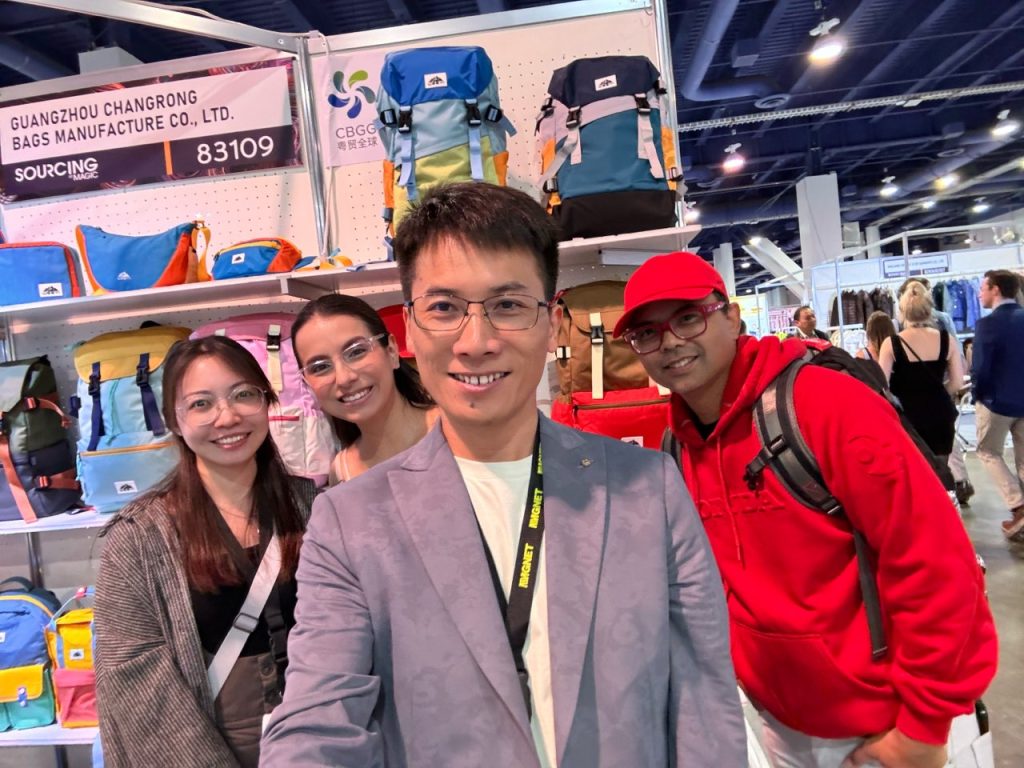
Start by writing the tech pack, running a pilot, and instrumenting approvals so every decision leaves a trace. That disciplined approach reduces surprises and creates a repeatable production pipeline. When your process needs steady capacity and clear records, partner selection becomes a technical decision as much as a commercial one—consultants, auditors, and established suppliers can slot into your workflow and maintain the automation you built, as seen with trusted names like ChangRong.