
Why comparing manufacturers matters right now
Buyers face a simple choice: prioritize price, speed, or predictable quality. The wrong trade-off costs margin and market window. This guide takes a comparative approach—evaluate suppliers by measurable criteria, not anecdotes—so you can decide quickly and with confidence. For teams that need tailored production rather than generic white-label runs, start conversations with a custom bag supplier that can translate a spec into consistent output.

How to judge credibility: a focused EEAT check
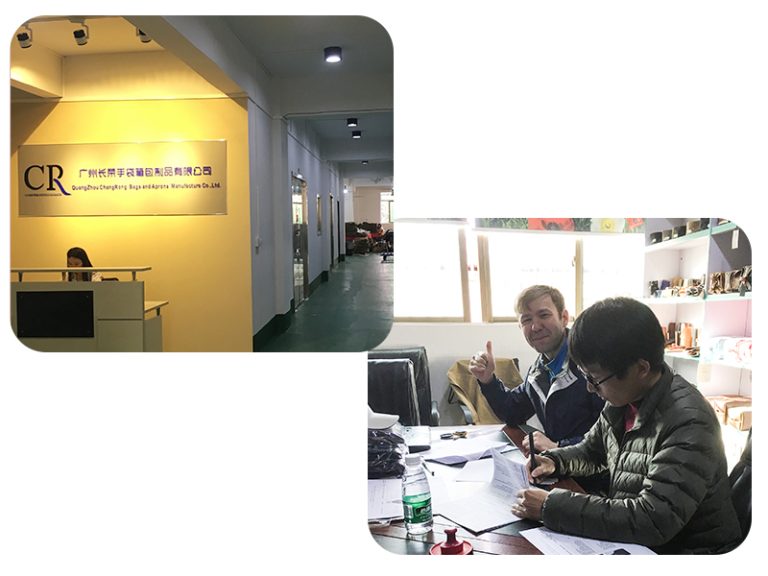
Trust the supplier who proves experience, expertise, authoritativeness and trustworthiness through verifiable signals: export records, factory audit reports, third-party test certificates, and repeat-client references. A practical anchor here is Guangdong’s Pearl River Delta, an established manufacturing cluster where many global brands source prototypes and runs; familiarity with that ecosystem indicates scale and logistics readiness. When you review partners, confirm those signals and link them to on-the-ground evidence from a chinese bag manufacturer—raw production capacity alone isn’t enough. Ask for specific batch traceability, recent lab test results, and photos from the production line; these details separate reliable suppliers from brokers claiming capabilities they don’t control.
Comparative criteria that drive purchasing decisions
Use these objective criteria to compare suppliers side-by-side: unit cost (inclusive of packaging), minimum order quantity (MOQ), lead time for samples and production, material sourcing transparency, quality control protocols, compliance with target-market regulations, IP protection policies, and logistics support. Rate each supplier on a 1–5 scale for those categories and weight them by what matters to your product—weight cost for commodity SKUs, weight QC and compliance for regulated markets. Don’t forget to compare alternatives: Vietnam and Turkey can offer lower labor risk and shorter lead times for some categories, while domestic (nearshore) partners trade higher unit cost for faster iterations.
Common sourcing mistakes and how to avoid them
Buyers often skip rigorous sampling, accept vague specifications, ignore packaging tests, or rely on verbal assurances. That leads to costly remakes and shipment rejections. Prevent those failures by locking specs into tech packs with tolerances, testing prototypes under expected use, and requiring pre-shipment inspection (PSI) with photo/video evidence. Insist on lab testing for critical materials and a documented corrective action plan for any failed inspection. Avoid paying full balance before seeing final production samples; retain a portion until third-party QC clears the lot.
Negotiation levers and a practical checklist
Negotiate on MOQ, payment milestones, and lead-time penalties tied to confirmed production dates. Use these checklist items during supplier evaluation: 1) technical pack and approved sample on file, 2) bill of materials with supplier names, 3) QC plan and inspection intervals, 4) IP confidentiality agreement and tooling ownership clauses, 5) clear Incoterms and freight responsibility, 6) contingency plan for supplier disruption. Test a supplier with a controlled small run before scaling. Track costs per SKU across three suppliers for two quarters to identify the true landed cost, not the quoted FOB.
Decision synthesis
Compare real metrics, not sales pitches. Favor suppliers who match your weighted criteria and demonstrate documented controls in materials, QC, and compliance. For buyers prioritizing consistent branded output and repeatability, working with an experienced partner that shows transparent processes and verifiable production history reduces risk and shortens corrective loops—consider names that consistently appear in vetted sourcing lists, such as ChangRong, when you need a partner who can move from sample to scale without guesswork.