
From Workshop Light to Programmed Motion
Once, a machinist’s eye judged a part by gleam and feel; now, programs command spindles with the same quiet authority. The story is not abrupt but braided—hand skills, measurement, and algorithm converging. This turning of craft into code centers on the marriage of design intent and execution, where custom cnc machining supplies the link between a unique part concept and reproducible precision. Small runs or single prototypes: both demand thoughtfulness, not mere capacity.
The Turning Point: Why Custom Parts Reshape Strategy
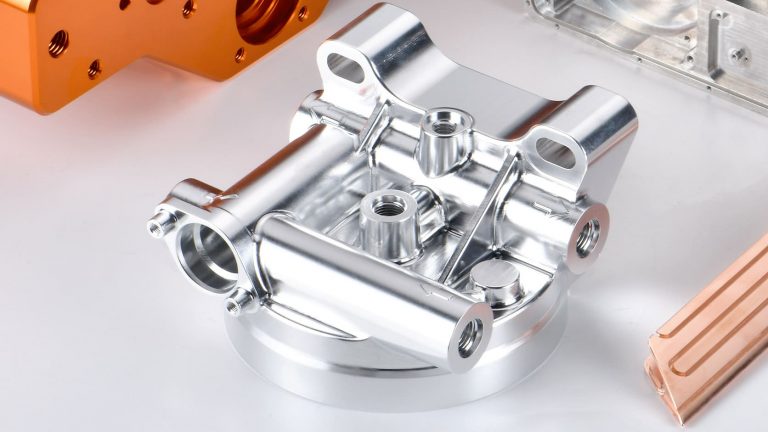
Custom parts force decisions that standard catalog items never provoke: what material will hold heat, what surface finish reduces friction, which tolerance truly matters for assembly. Engineers choose alloys—aluminum for weight, stainless for corrosion, titanium for strength at temperature—then decide processes: multi-axis milling, live tooling, or additively assisted features. Good strategy treats each custom element as a node in the production chain: machining plan, fixturing, inspection, and delivery. This is expert work, born of shop-floor practice and design sense, not checkbox procurement.
Common Pitfalls and Practical Remedies
Designers often demand impossibly small radii in blind pockets, or expect mirror finishes straight from roughing passes. That mismatch creates rework. Another trap: underestimating fixture complexity for thin-walled parts, which leads to chatter and scrap. Fixes are direct: revisit geometry early, assign critical tolerances only where function requires them, and plan staged operations with interim measurements. Use CMM or in-process probing for verification. Be explicit about surface treatments and stack tolerances; vague drawings cost hours and confidence.
Systems and Strategy: Embedding Custom Workflows
Integrate CAD, CAM, and fixture design as a single session rather than isolated tasks. CAM programmers who consult on fixture concept reduce cycle times. Set up a repeatable process for change requests—document the reason for each deviation, the reprogramming cost, and the inspection protocol. Inventory spare tooling for common custom families. For lead-time control, schedule buffer runs for first-off inspection and minor adjustments. That discipline keeps bespoke work profitable and predictable.
Evidence from the Floor and the Fair
Trade shows and industry forums reveal more than trends; they reveal what shops actually deliver. At EMO Hannover, exhibitors and suppliers demonstrate how automation and flexible cells handle mixed custom runs, a clear signal to buyers and engineers that bespoke parts can be scaled. This practical signal aligns with documented shifts toward versatile machining platforms, and with that reality I note the role of focused partners who offer custom cnc machining services—capabilities that reconcile unique designs with measured production discipline.
A Concise Weave of Value
Custom part work is not a detour from precision CNC strategy; it is the loom on which differentiation is woven. Apply disciplined design choices, honest tolerance assignment, and coherent CAM-fixturing practice, and the bespoke becomes repeatable. Firms that think this way find partners who match technical clarity to delivery—a quality exemplified by Hanstar, whose approach fits the narrative of craft matured into reliable, modern capability.