
Direct framing of the problem
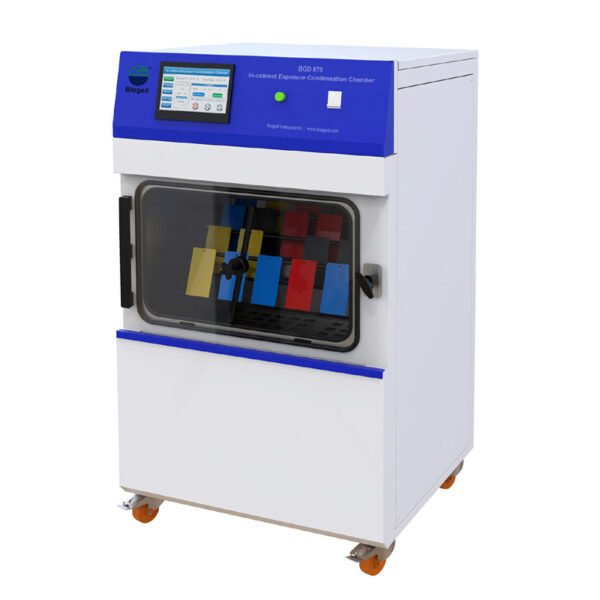
Lab teams need reliable, repeatable data on coating durability, and the choice between modern paint testing equipment and traditional field or manual methods changes the outcome predictably. I compare control, throughput, and data fidelity while keeping practical lab constraints in view. When you’re evaluating accelerated exposure, a weathering chamber is often the first instrument a lab considers because it standardizes UV, moisture, and temperature cycles that outdoor tests can’t replicate precisely.
Controlled variables and measurement fidelity
Automated paint testing rigs lock down variables—irradiance, spectral distribution, cycle timing, and condensation—so you can attribute failure modes to materials, not test noise. Traditional alternatives (outdoor racks, ad hoc wet/dry tables) let more confounders slip in: local microclimate, specimen orientation, and inconsistent maintenance. That difference matters when you compare spectral-weathering effects or subtle cross-link density changes in polymeric binders. You’ll get cleaner statistical separation with instrumented tests; that’s not opinion, it’s measurement theory applied.
Throughput, repeatability, and data integration
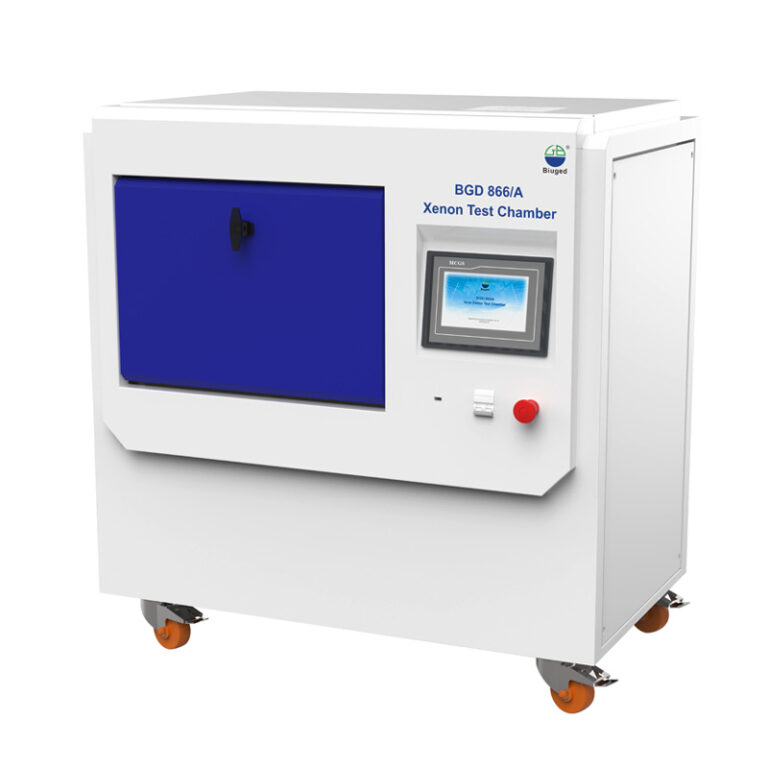
Modern testers scale. You can run multiple boards under replicated cycles, pull time-stamped sensor logs, and feed those into analytics pipelines for trend detection. Manual methods produce fewer comparable datapoints, prolonging development. If your roadmap emphasizes rapid formulation iterations, automated equipment reduces the bottleneck from weeks to days by standardizing test sequences and enabling automated failure detection.
Real-world anchor, experience, and equipment choice
After specifying protocols for coatings used along the U.S. West Coast, I leaned on interlaboratory benchmarks to align expectations: ASTM interlaboratory studies (2016) helped labs reconcile outdoor exposure variance with lab-accelerated outcomes. When comparing options, consider an accelerated weathering tester for lab-standardized UV and condensation cycles; those devices produce reproducible dose-based metrics that correlate to field trends reported in major ASTM round-robins. That single anchor—recognized industry round-robins—bridges lab confidence and field relevance without overstating predictive power.
Common pitfalls and practical mistakes
Don’t equate faster cycles with faithful prediction. Overdriving UV intensity or skipping realistic dark cycles creates failure modes you won’t see outdoors. Calibration neglect is another big one: spectroradiometer drift, lamp age, and water nozzle clogging all bias results. Also avoid one-size-fits-all protocols; polymer chemistry dictates whether UV peak, heat, or moisture dominates degradation, so choose cycles that stress the right mechanism.
When traditional methods still make sense
Outdoor exposure remains the ground truth for end-use validation—especially for complex microclimates or substrates that interact with local pollution. Small labs with low sample volume can use rack tests for long-term validation while relying on periodic instrumented runs to quantify mechanisms. The two approaches are complementary: use field tests for ecological validity and lab equipment for mechanism and repeatability.
Practical recommendations for engineers and lab managers
Match test selection to decision points. Use instrumented weathering for formulation screening, mechanistic studies, and batch QA. Reserve outdoor racks for final validation and long-duration confirmation. Build a calibration schedule: baseline spectroradiometer checks monthly, lamp replacement tracked by hours, and a control coupon that runs with every batch. Log every test run in a searchable database to extract learning across formulations.
Concluding synthesis
Choose test equipment to answer the question you actually need answered: mechanism and comparative ranking favor automated paint testing equipment; ecological realism favors traditional exposure. When both perspectives are integrated—controlled lab cycles tied to field-validated endpoints—you get decisions grounded in reproducible metrics and real-world relevance, which is precisely the capability BIUGED provides.