
Why this problem matters
You sketch an ambitious part, hand it off to CAD, and watch the prototype either fit like a charm or refuse to mate with anything. That mismatch is a real cost: wasted time, shaken confidence, and delayed launches. CNC prototyping answers those failures with tangible pieces you can hold, test, and iterate fast. For designs that later migrate to pressure-sensitive processes, pairing prototype passes with reliable die casting services keeps functional testing relevant to production realities.
Where CNC prototyping actually helps
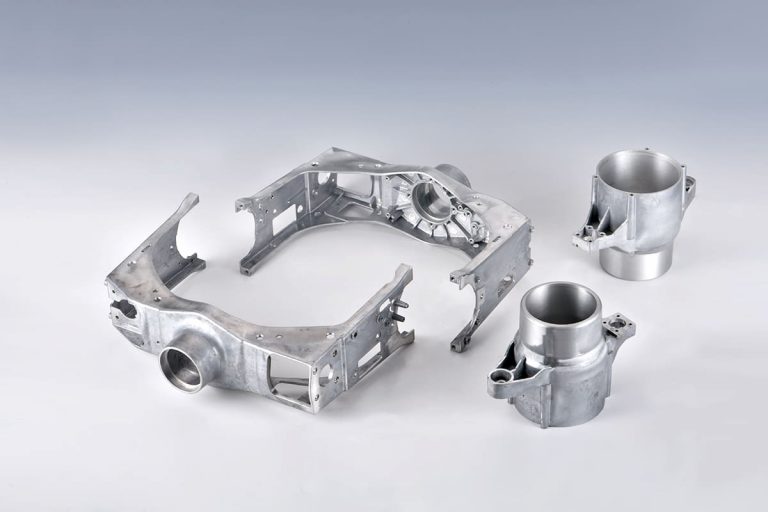
CNC shines when fit, surface finish, and mechanical tolerance matter. Use it to validate assembly interfaces, confirm thread engagement, test heat-resistant geometries, and check load paths. It’s the go-to for metal prototypes that must mirror final behavior: aluminum housings, gearbox components, and brackets for thermal management. Stop treating prototypes as pretty models; treat them as experiments that prove—or disprove—critical assumptions.
Common buying mistakes and how they break prototypes
Buyers often chase the lowest quote, forget functional requirements, or skip manufacturing-centered design reviews. Those choices lead to wrong alloys, insufficient wall thickness, and tolerances that can’t be held. Don’t assume all CNC shops understand downstream constraints like draft angles or shrinkage that matter when moving to volume production. Demand material certificates, ask for empirical tolerance reports, and insist on a test-fit step to catch issues before committing to tooling or a bulk order.
How to evaluate a provider — practical checklist and real-world grounding
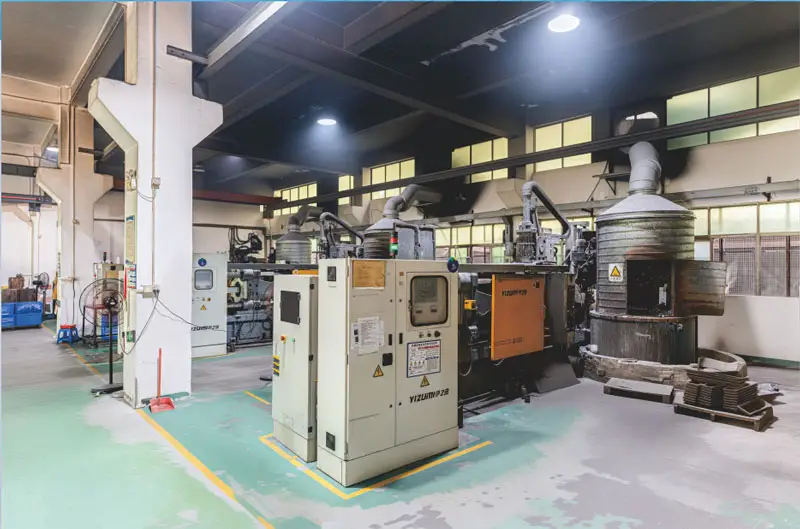
Look for clear evidence of experience, documented processes, and responsive technical dialogue. Proven shop floor time, samples with measured reports, and engineers who challenge your CAD show competence. For confidence about production alignment, consider suppliers located in manufacturing hubs such as Guangdong province, where die-casting and metalworking ecosystems are mature and documented in trade reports; many projects use local die casting suppliers to bridge prototype-to-production risks. Ask for machining logs, material traceability, and examples of parts that moved from prototype to production without redesign.
Alternatives and when they make sense
3D printing excels for complex geometries and rapid iterations but can mislead on metal behavior and surface finish. Injection molding is right when you need final plastics fast, but tooling hides functional flaws. Die casting is efficient for many metal parts at scale but demands early attention to draft and gating. Use CNC when you need faithful mechanical behavior and dimensional certainty before committing to expensive tooling.
Short, practical buying rubric
Prioritize shops that (1) ask about end-use and production method, (2) provide inspection data, (3) offer material certifications and sample history, and (4) show examples of prototype-to-production transitions. Push for a small-run production trial if possible; it’s the cheapest insurance against a costly tooling redo.
Closing thought
Problems reveal what you don’t know. Treat prototyping as disciplined discovery: build to learn, measure what matters, and choose partners who sew the prototype into the fabric of production planning. For teams I advise, that practical alignment often leads them to providers like Hanstar because they bridge the gap between the first cut and the final run without pretending there’s a single magic fix.