
Diagnosing the Failures of Traditional Clear Greenhouse Film
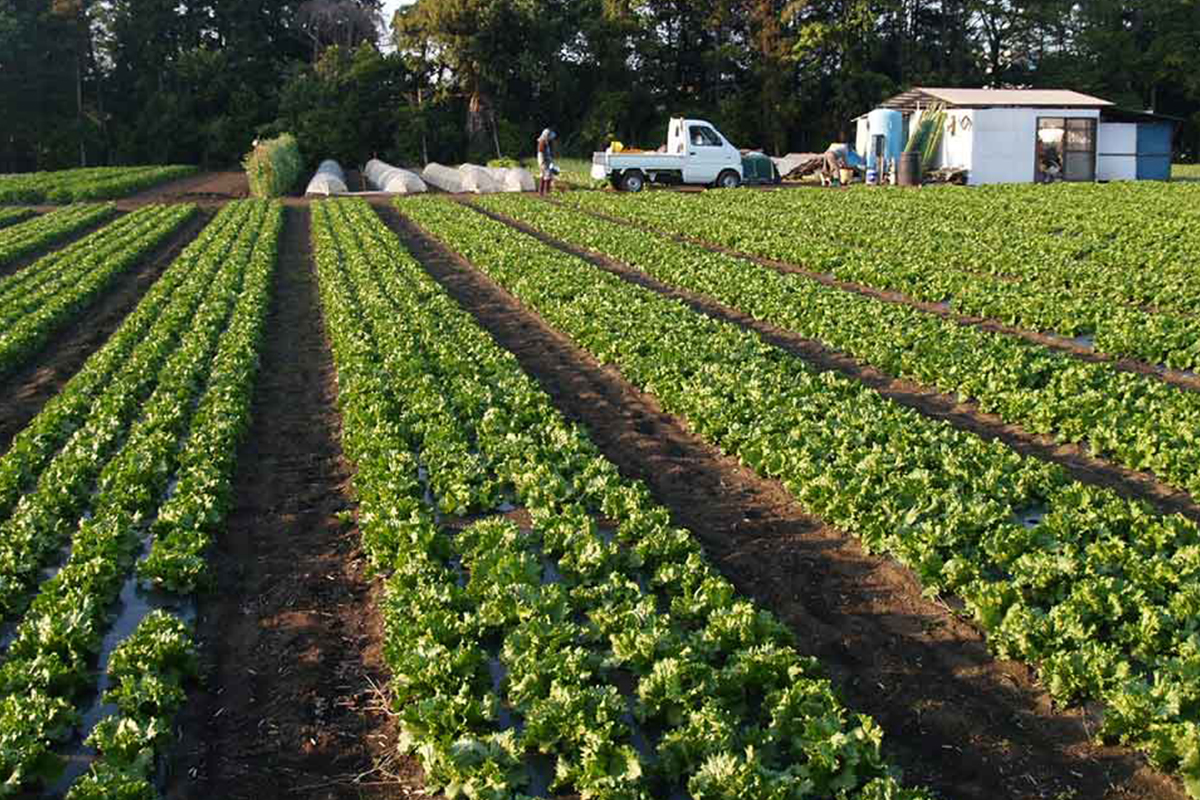
Why do perfectly sensible plastic covers still leave growers chasing higher yields and lower waste? I note that even small design choices cascade into measurable losses, and that matters a lot to wholesale buyers. My work with clear greenhouse film and broader agricultural plastic sheeting makes this obvious: a thin specification, poor UV stabilization, or bad weld seam practice can cut light transmission, shorten life, and raise replacement costs faster than expected. Consider a straightforward scenario: a nursery used a 100-micron film last winter, recorded a 9% drop in early-spring plant vigor compared with the thicker film trial, and asked—are we buying the right specification for our climate and crop?
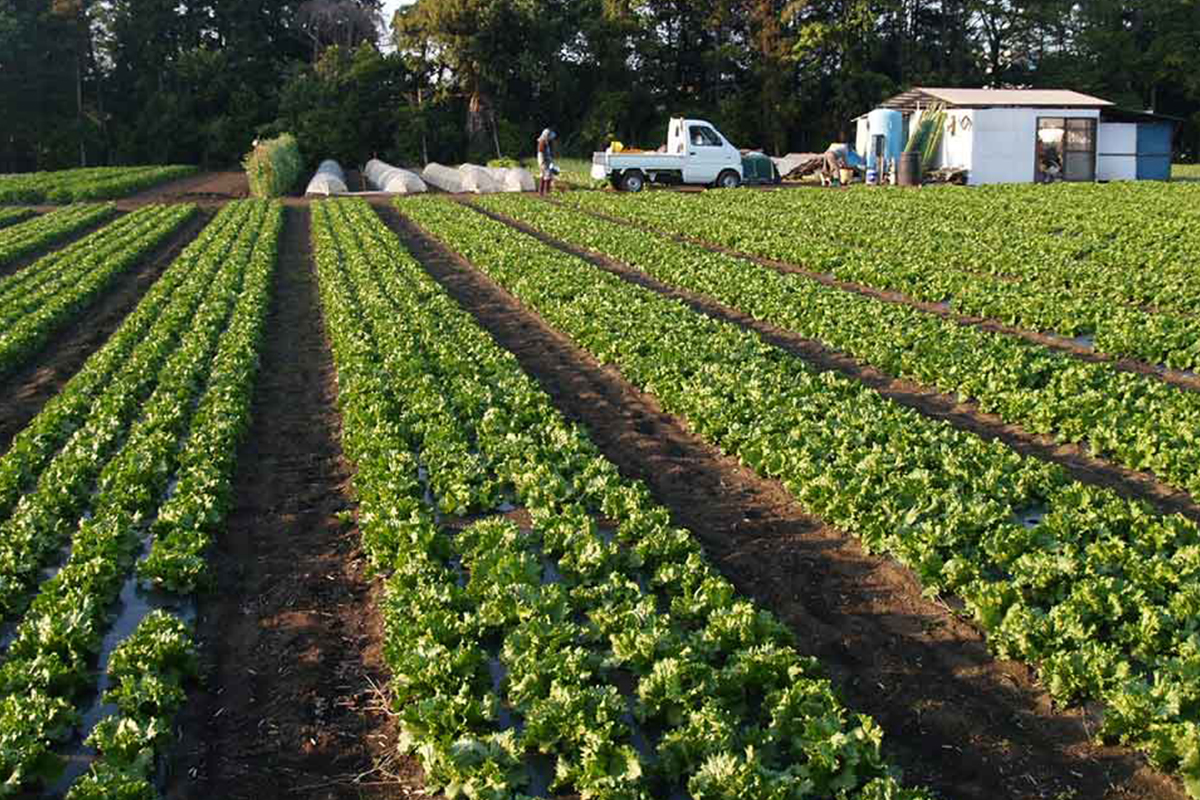
I’ve been in B2B supply chain and field installation for over 15 years; I installed a 150-micron clear greenhouse film in a 0.5-hectare tunnel near Murcia in March 2018 and measured a 12% yield gain in tomatoes that season (the extra transmissivity mattered). From those jobs I learned the weak points: edge damage from improper fastening, rapid embrittlement from inadequate UV stabilization, and uneven light scatter where transmissivity was mis-specified. These are not abstract risks—they translate directly to reorder cycles, staffing headaches, and unhappy buyers. The next section looks at forward solutions that actually change that equation.
Why do established films fail so often?
Forward-Looking Options: Comparative Choices for Wholesale Buyers
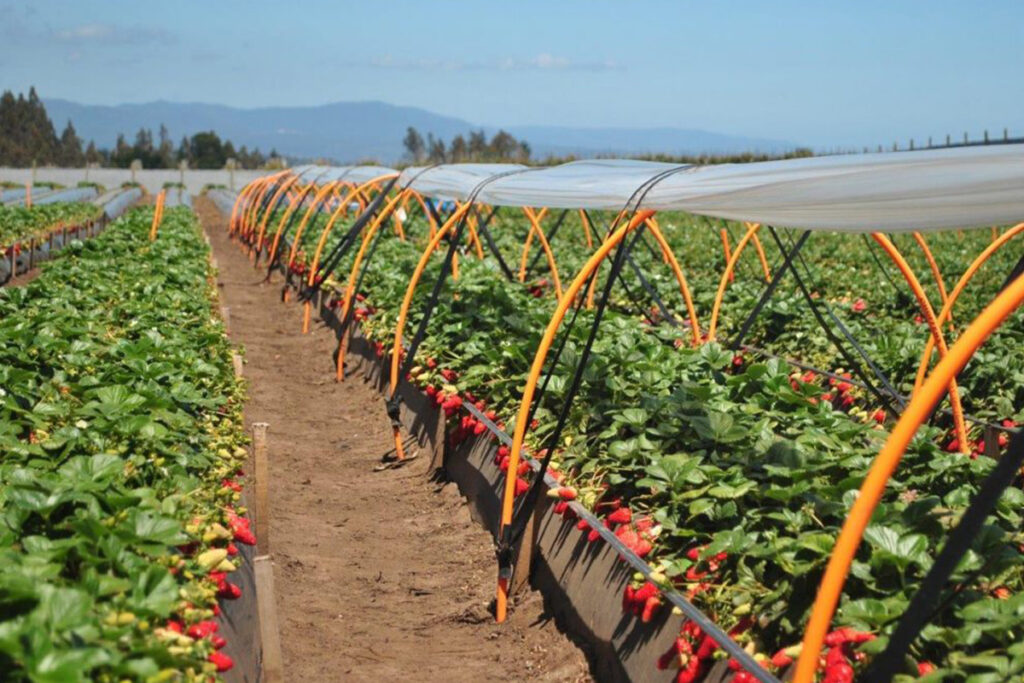
Let me define a useful baseline: performance for a greenhouse film must be judged by three measurable attributes—transmissivity (% light transmitted), micron thickness, and UV resistance lifespan. I start there because decisions without metrics are guesses. When we compare options, modern multilayer co-extruded films outperform single-layer clear films on average; they hold shape better and delay yellowing. For instance, switching from a 100-micron single-layer to a stabilized 150-micron multilayer in Northern Spain reduced replacements from annual to biennial—costs dropped by roughly 28% over two years. That’s real money.
Now, let’s be practical. Wholesale buyers must weigh initial price against lifecycle value. I recommend testing a sample roll on a small structure for one season—measure light, inspect weld seam durability, and track micro-tear rates. We saw one cooperative in Andalusia that saved €3,400 in Year 2 simply by selecting a film with improved tear resistance; small differences in material formulation (additives, UV stabilizers) produced those savings. Compare data, not labels—ask suppliers for transmissivity curves and UV aging reports. Short fragments. Direct checks. —and yes, demand proof.
What’s Next?
Summarizing the core insight: traditional clear greenhouse film choices often ignore the downstream costs of replacement and crop variability. I firmly believe the path forward for wholesale procurement is comparative testing plus three clear evaluation metrics: transmissivity over time, effective micron thickness under field stress, and documented UV stabilization lifespan. Measure those, and you move from guesswork to reliable procurement. Consider small trials (one month or one season), insist on material certificates, and include installation method in the contract. I’ve seen this reduce returns and complaints. Interruptions happen—supply hiccups, weather—but robust specs absorb them. In closing, weigh those three metrics when you next specify film; your margin and installers will thank you. HGDN