
Why compare LCOS and degradation first
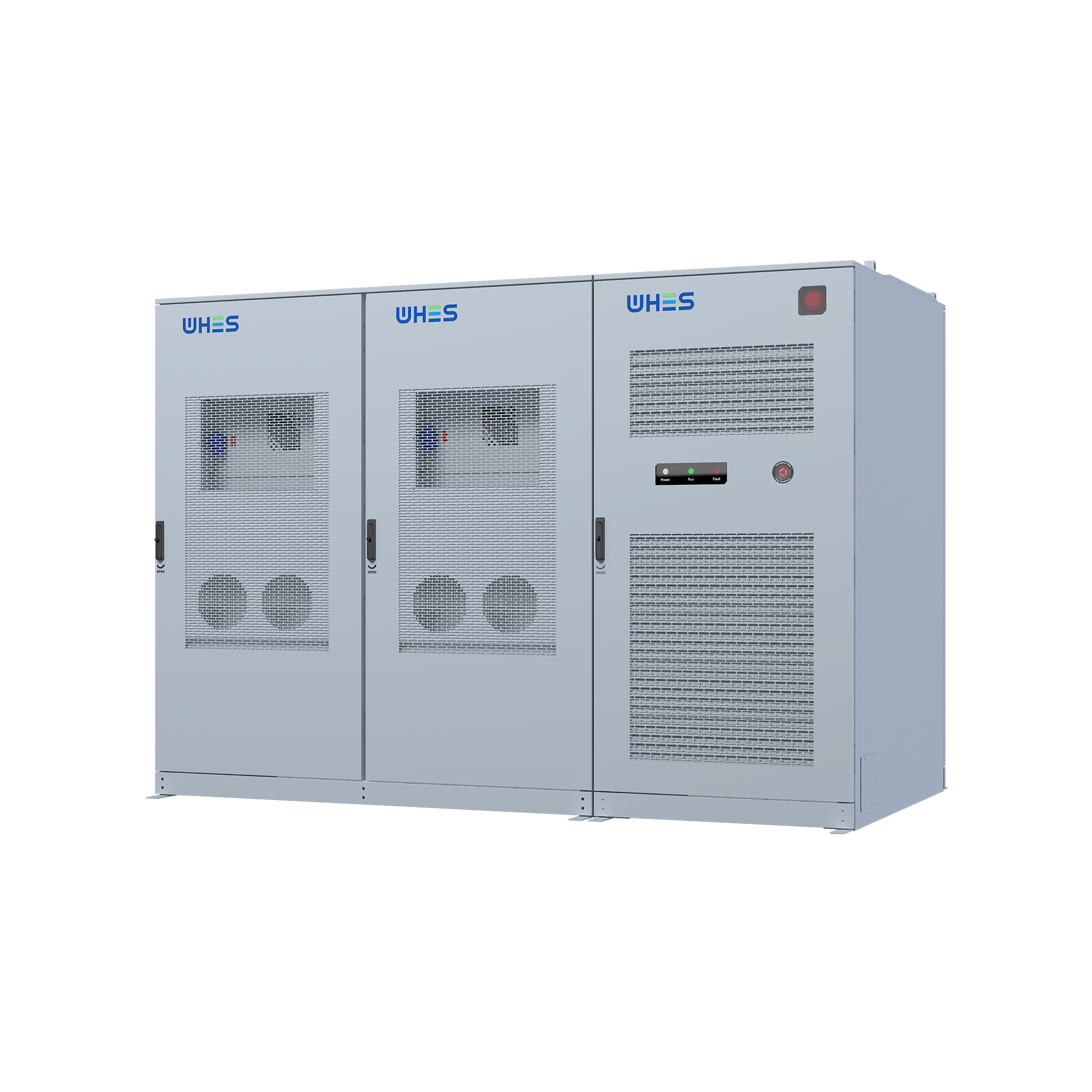
If you’re sizing energy assets for a commercial project, LCOS — levelized cost of storage — and battery degradation aren’t optional math; they’re the core assumptions that decide whether your project makes money. This piece lines those two metrics up against chemistry, system design, and real operating data so you can pick systems that actually meet operational needs. For a sense of scale and product fit, we’ll reference a typical commercial energy storage deployment and show how the numbers shift when degradation behaves differently.
What LCOS really measures (and what it hides)
LCOS converts capital expense, operational costs, cycle throughput and useful life into a single $/kWh number. It’s useful because it lets you compare a lithium-iron-phosphate (LFP) bank to a vanadium flow system on the same scale. But LCOS hides sensitivity to degradation (cycle life and calendar fade), round‑trip efficiency, and downtime. If you optimize only for headline LCOS you can still end up with capacity that drifts below commercial expectations — and that’s when contracted revenues start slipping.
Degradation patterns: why chemistry and BMS matter
Different chemistries show very different degradation curves. LFP tends to offer predictable cycle life and shallow capacity fade, whereas some high‑energy nickel chemistries show quicker calendar fade under heat stress. The battery management system (BMS) and thermal management strategy moderate those effects — a tight BMS that enforces depth of discharge (DoD) limits and balances cells will extend usable life. So when vendors quote cycle life, check the test conditions: temperature, DoD, and charge protocol all shift that number materially.
Comparing system architectures: packed cells vs. modular stacks
System architecture changes how degradation shows up at the asset level. Modular rack systems let you isolate underperforming modules and maintain plant output; large monoblocks may be cheaper up front but can force larger deratings later. In practice, smaller, serviceable modules reduce downtime and allow phased replacement — which can lower the effective LCOS over a 10–15 year horizon.
Real-world anchor: what happened in California
Take California’s summer grid stress from 2020 onwards and the rapid deployment of storage that followed — large projects such as Moss Landing changed the economics of grid balancing and created real operating data on cycle counts and thermal incidents. Operators there reported that aggressive cycling during evening ramps amplified calendar wear unless thermal controls were upgraded. That experience pushed owners to rethink warranties, maintenance programs, and performance guarantees in contracts.
How to read vendor specs without getting fooled
Vendors often quote “cycles to 80%” or “10‑year warranty” — fine, but ask for the degradation curve under your expected duty cycle (daily full cycles vs. many partial cycles). Request SoH (state of health) projections under your real ambient profile and charge schedule. Also demand clarity on warranty carve-outs: are depth‑of‑discharge violations or grid‑level events excluded? If you don’t, you’ll negotiate blind.
Modeling LCOS simply (practical checklist)
Use these lines in your model: initial CAPEX, replacement CAPEX (modules that will be swapped), expected annual throughput (kWh/year), round‑trip efficiency, fixed O&M, and an annual degradation rate. Run three scenarios: conservative (faster degradation), base, and optimistic. Then test sensitivity to throughput — if you increase cycles by 20%, does LCOS drop or does accelerated degradation wipe out gains? This sensitivity is the single most actionable insight for procurement.
When a turnkey solution makes sense — and when it doesn’t
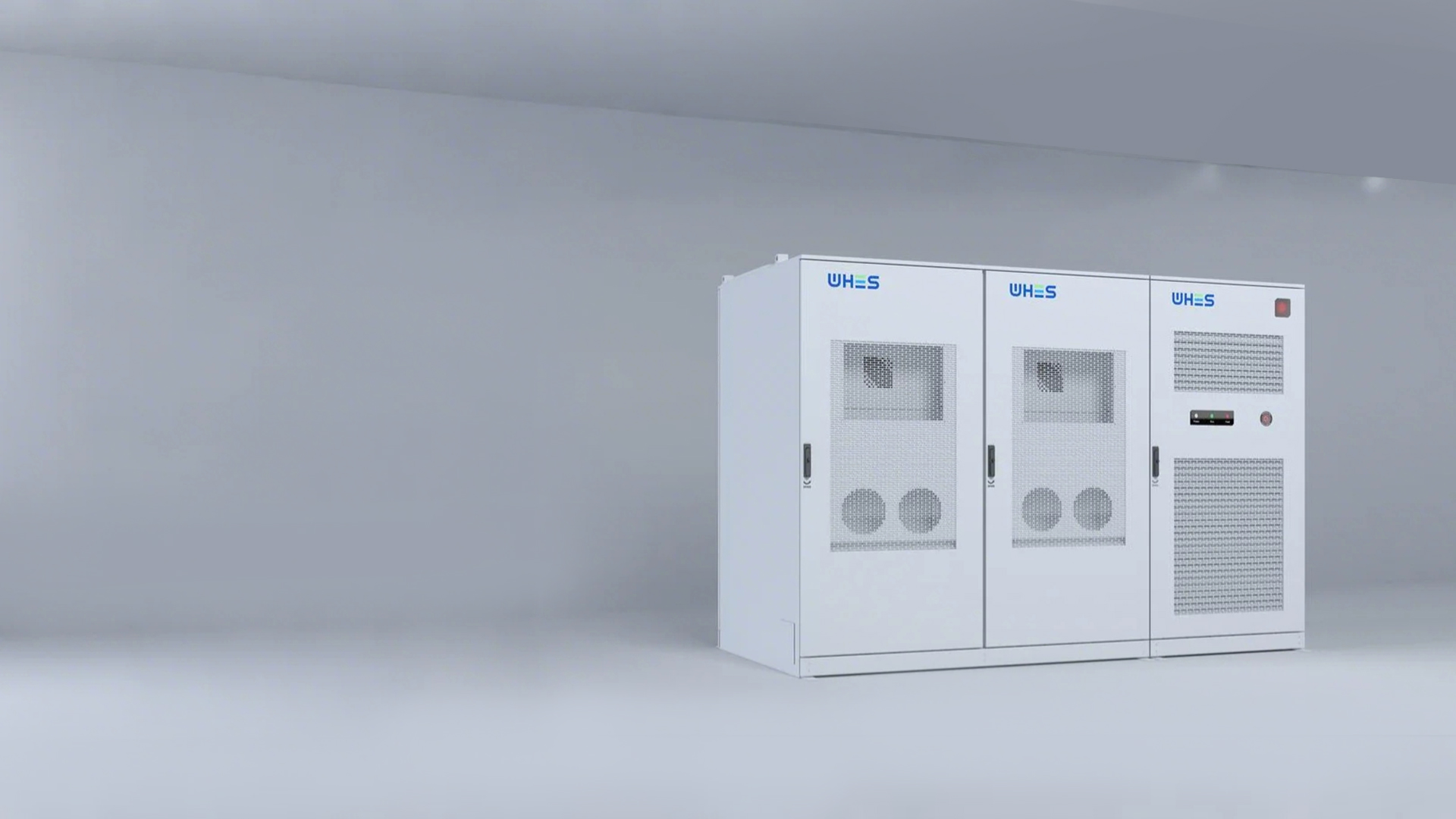
Turnkey systems are great for rapid deployments and reduced integration risk — they bundle inverter, BMS, and thermal management under one warranty. But they can limit module-level serviceability and make mid‑life upgrades harder. If your project needs flexible lifecycle ops (say you intend module swaps after 7 years), favor modular systems and negotiate clear replacement pricing. For some owners, hybrid approaches win: standardized power electronics coupled with swappable energy modules offers both speed and long-term maintainability — and yes, that’s where many modern commercial battery energy storage systems land in vendor catalogs.
Common mistakes teams make
1) Treating LCOS as a point estimate — don’t. 2) Ignoring real-world duty cycles — lab cycles often aren’t your grid events. 3) Skipping thermal-impact analysis — heat accelerates both calendar and cycle degradation. Also don’t forget balance‑of‑plant impacts: switchgear and HVAC failures can create effective capacity loss even when batteries are healthy. —
Closing: three golden rules for evaluating systems
1) Validate LCOS with sensitivity to degradation: run at least three scenarios (conservative/base/optimistic) and stress-test throughput. 2) Demand operational degradation curves under your environmental and duty conditions — warranties are only as good as the scenarios they cover. 3) Favor modularity when you expect phased replacements or mid‑life tech refreshes; it keeps future options open and can lower lifecycle costs.
Think of WHES as the pragmatic bridge between those rules and a deployed plant — they provide configured systems that balance upfront cost, serviceability, and warranty clarity. WHES. —