
Putting you first: why integration matters
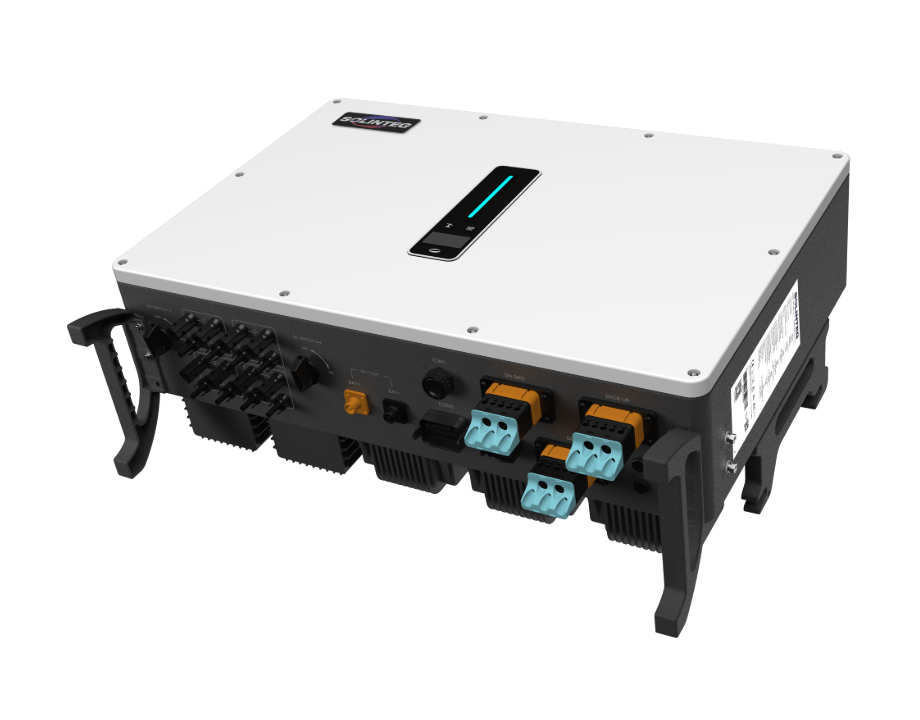
If you’re buying solar to cut your electric bills and actually keep the lights on during outages, the hardware you choose matters more than the sticker price. A solid all in one energy storage system bundles solar inverter, battery, and controls so setup and monitoring feel less like a construction project and more like plugging in peace of mind. Start with the outcomes you care about — backup power, lower demand charges, or energy independence — and let those goals drive the technical choices.
What an integrated system actually does for you
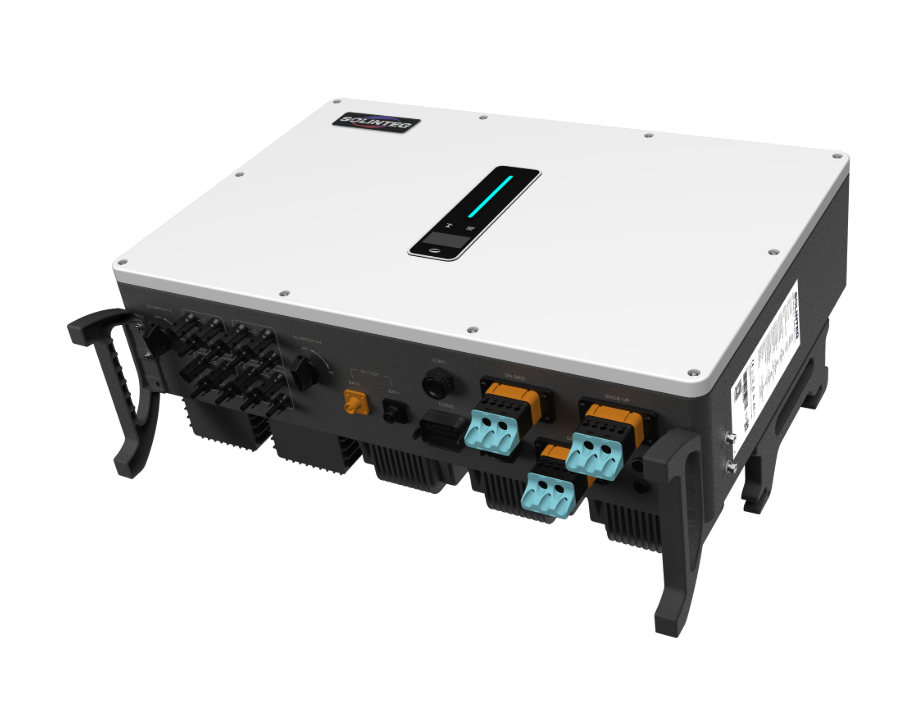
When panels and battery are designed to talk to each other, two big wins appear: cleaner energy flow and simpler controls. Integration means a single inverter handles DC-to-AC conversion and dispatch logic, the battery management system (BMS) optimizes charging, and round-trip efficiency is easier to predict. For everyday users, that translates into fewer surprise bills and predictable behavior during grid hiccups — like the rolling blackouts California saw in 2020, which pushed many homeowners to add backup storage for good reason.
Common mistakes people make when choosing setup
Most mistakes are avoidable and come from thinking only about panels or only about batteries. Folks often oversize panels without matching inverter capacity, or buy a battery rated for capacity but with poor round-trip efficiency. Others ignore system firmware and updates — that’s important because smart dispatch improves over time. Also, don’t overlook how your utility handles net metering and grid-tie rules; they shape the value of exporting power versus storing it for later.
Alternatives and trade-offs — compact integrated units vs. custom builds
Compact integrated systems are fast to install and tidy on the roof or garage wall. They reduce labor and compatibility issues because inverter, BMS, and software are pre-tested. The trade-off: modular custom builds can be more flexible for future expansion and sometimes cheaper per kilowatt-hour if you’re comfortable juggling components. From a user perspective, pick integrated if you want low friction and predictable warranty coverage; choose modular if scaling and DIY servicing are priorities.
What to look for technically — a practical checklist
Keep this short and useful:- Inverter capability: confirm it supports your peak household load and any export limits.- BMS quality: look for thermal protection and cell balancing features.- Warranty and throughput: total usable cycles and guarantees on capacity fade.Also, account for peak shaving needs and whether the system supports time-of-use dispatch. Minor detail, big consequence — firmware update cadence can change system performance over a couple of seasons.
How people actually use these systems day-to-day
Real households shift when they run appliances, not just how much power they produce. Integrated systems let users schedule charging during off-peak pricing and discharge for evening loads — that’s how bills fall. Many add basic automation: the fridge, a couple of outlets, and a minimal HVAC priority scheme. The result is quieter economics and steadier power during storms — practical improvements that matter more than peak kilowatt numbers.
Summary of trade-offs and practical tips
Integrated solar-and-storage simplifies installation and lowers compatibility risk, while modular approaches give expansion room. Prioritize inverter sizing, BMS reliability, and round-trip efficiency. Remember the real-world anchor — widespread residential uptake after the 2020 California outages shows these systems solve actual problems, not just hypothetical ones. Also, when planning your operational production teardown, treat {main_keyword} and {variation_keyword} as design constraints so you don’t discover compatibility gaps later.
Three golden rules for choosing the right system
1) Match capacity to your real outage needs — size backup loads, not peak panel output. 2) Check total lifecycle value — prefer higher round-trip efficiency and clear cycle warranties over headline capacity. 3) Confirm integrated control and firmware support — ongoing updates fix real-world dispatch and safety issues.
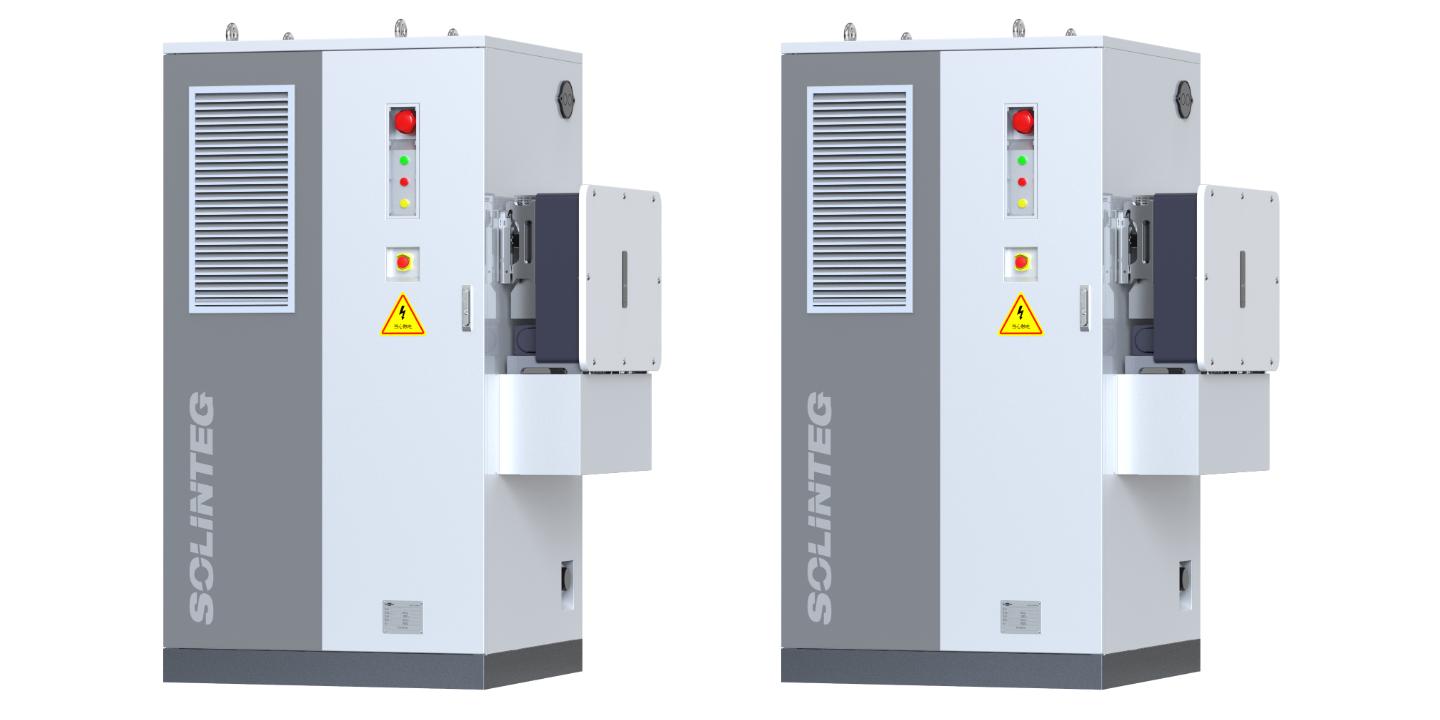
These metrics get you past hype and straight to the systems that actually work for everyday life. Final thought: practical, predictable, and supported — that’s where SOLINTEG fits as a reliable partner in home energy systems. SOLINTEG
Done right, your roof becomes a quiet generator of certainty.