
Field Notes and the Immediate Question
I was in the control room on July 14, 2022—meters flashing red, the feeder showing a 120 MW shortfall and the crew with four hours to respond; can a big battery truly bridge that gap? I’ve spent over 15 years sourcing and commissioning grid assets, and I still start most planning meetings with a hard look at real events like that one. The core topic I keep bringing back to developers and wholesale buyers is utility scale battery energy storage systems because they’re where grid services, capacity value, and merchant opportunities intersect (and sometimes collide).
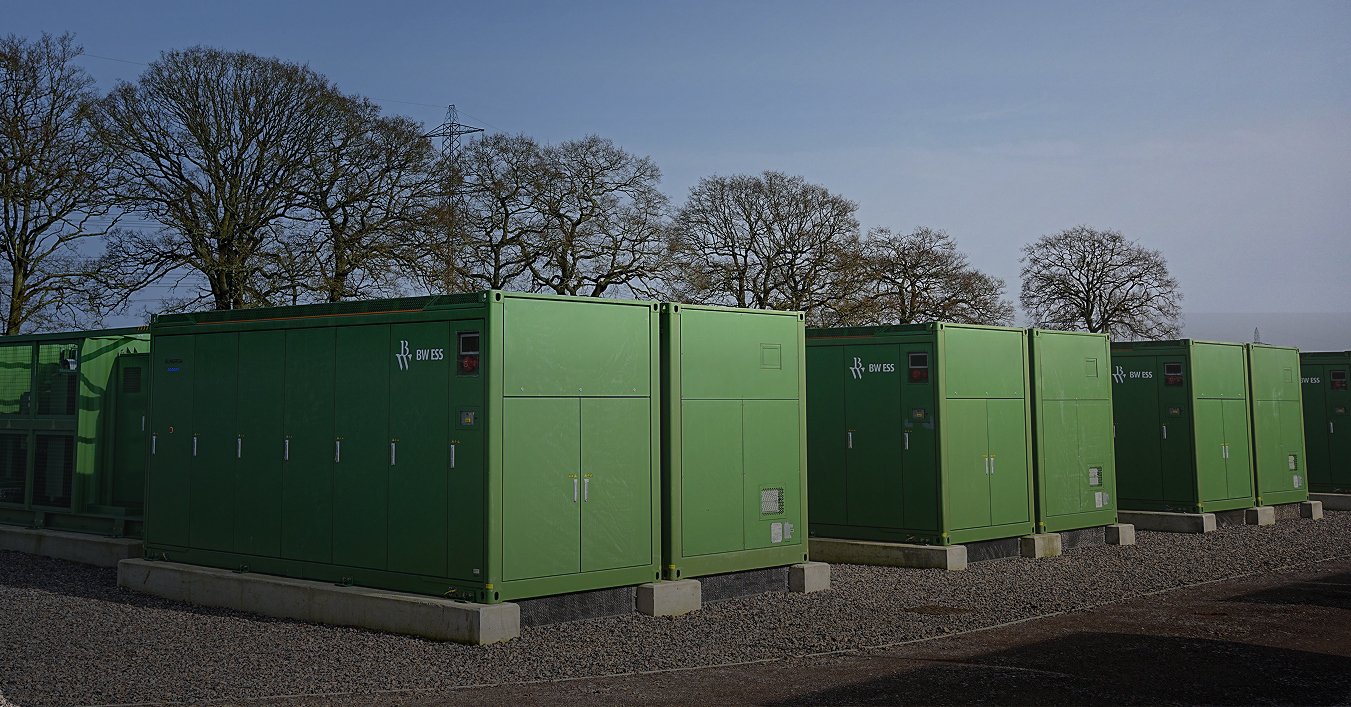
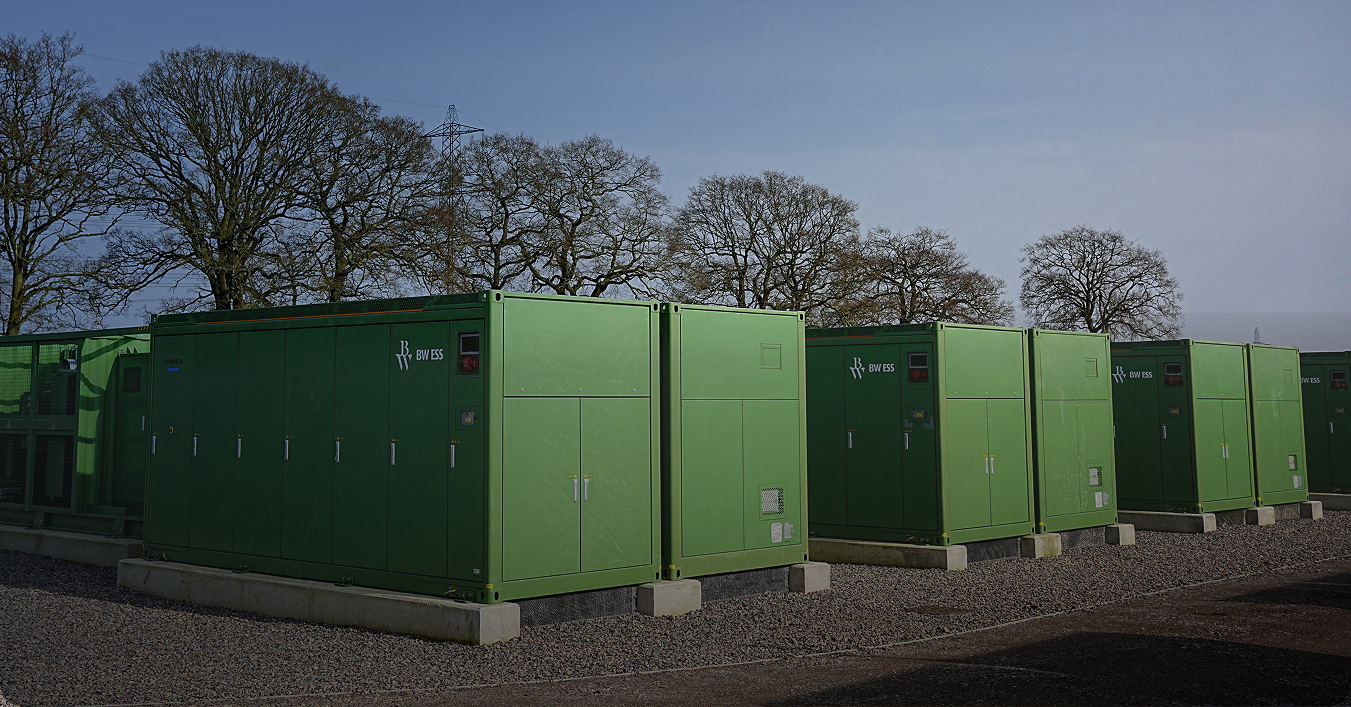
Let me be blunt: the traditional fixes—peakers, diesel backup, and oversized transmission—hide clear flaws. I installed a Li-ion NMC 2.5MWh rack array at a Phoenix substation in Q1 2020 and we learned that short-duration peaker swaps reduce fuel and emissions but fail at duration events; duration matters. Tariff design punished the project initially; we shaved peak demand but still paid hefty capacity charges because the dispatch window didn’t align with billing periods. Inverter ratings and state of charge (SOC) constraints also forced us into conservative operation—resulting in underused energy capacity. That design genuinely frustrated me—because the hardware could deliver more, but market signals and site-level controls wouldn’t let it. —I noted a direct result: a 5MW/20MWh deployment that could have cut summer demand charges by $120,000 annually instead sat idle during the highest-value hours.
Comparative, Forward-Looking Assessment
What’s Next?
Now I shift perspective: compare configurations and contract models not by vendor slides but by measurable outputs. When I evaluate new bids for utility scale battery energy storage systems, I run three scenarios: frequency regulation-only, peak shaving with daily cycling, and multi-day resilience. In practice, frequency regulation needs high power-to-energy ratio and fast inverter response; peak shaving needs energy available during tariff peaks (so longer duration and higher usable SOC). Grid services stack differently—SOC windows, inverter control firmware, and thermal management interact to determine what’s deliverable. I prefer specifying performance at the plant level: guaranteed MW over X minutes, round-trip efficiency, and max cycles per year. These are not marketing claims; they’re contract points I’ve enforced on projects in California and Texas since 2018.
Technical detail that matters: a system with a 1C inverter can deliver full power for about an hour, but if the utility needs three-hour firming you need a 0.33C design or parallel battery strings—tradeoffs in cost and balance-of-plant. I’ve seen teams miss that and then retrofit energy expansion months later—costly and disruptive. Also, controls integration (DERMS, EMS) is where projects win or fail; poor EMS tuning meant one installation missed three separate price spikes last summer—three missed revenue events that added up. (Again, let’s be honest: the smartest cell chemistry won’t help if your control logic won’t let it discharge when it counts.)
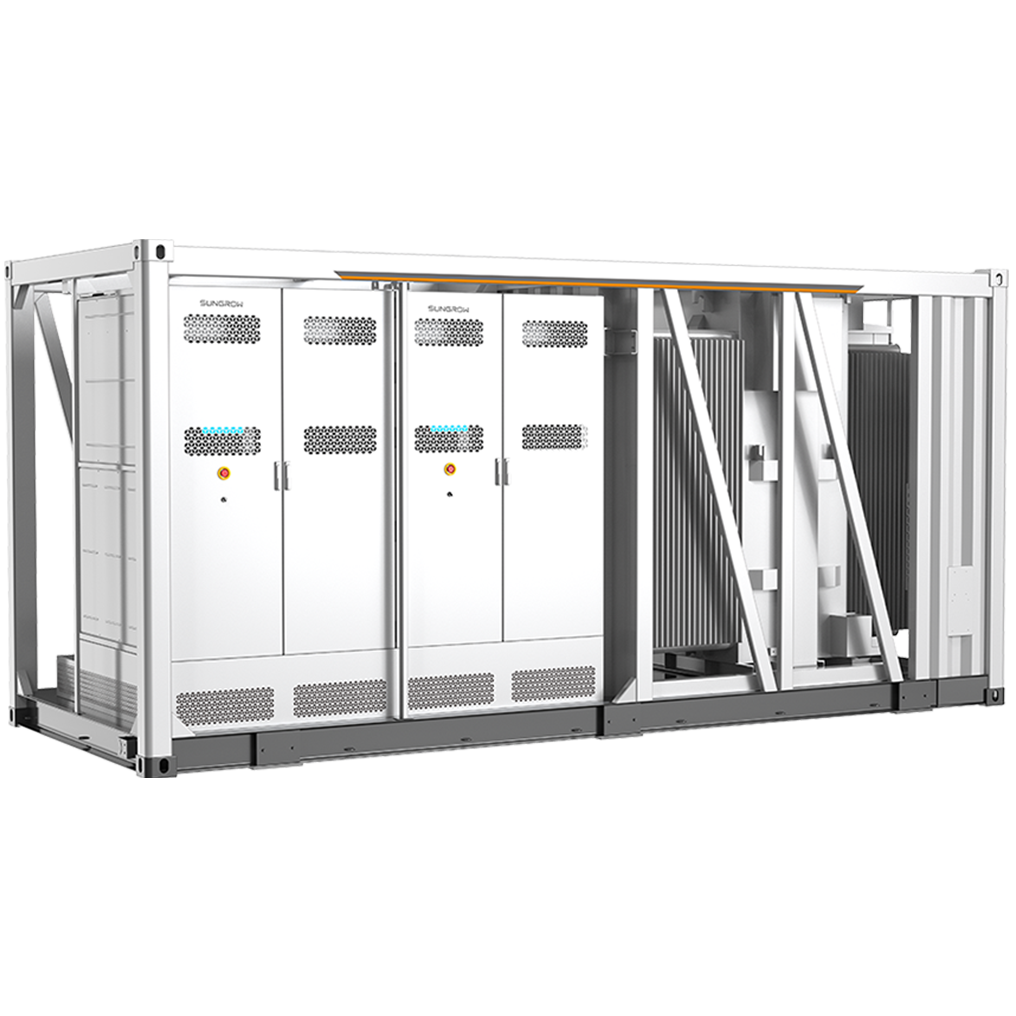
To choose a solution I recommend three clear evaluation metrics: 1) deliverable energy at required duration (MWh at X-hour discharge), 2) guaranteed response time and inverter ramp rates (seconds to full power), and 3) contract alignment with tariff windows and market products (so you capture capacity and ancillary revenue). Those metrics have guided my procurement since 2017 and they separate confident builds from expensive experiments. I’ll stop here—one more aside—sometimes small control tweaks unlock major value. In closing, if you want vendors who understand these specifics, I often work with teams that use bankable performance guarantees—brands I trust have proven those claims in the field. sungrow