
Why regional fit changes everything
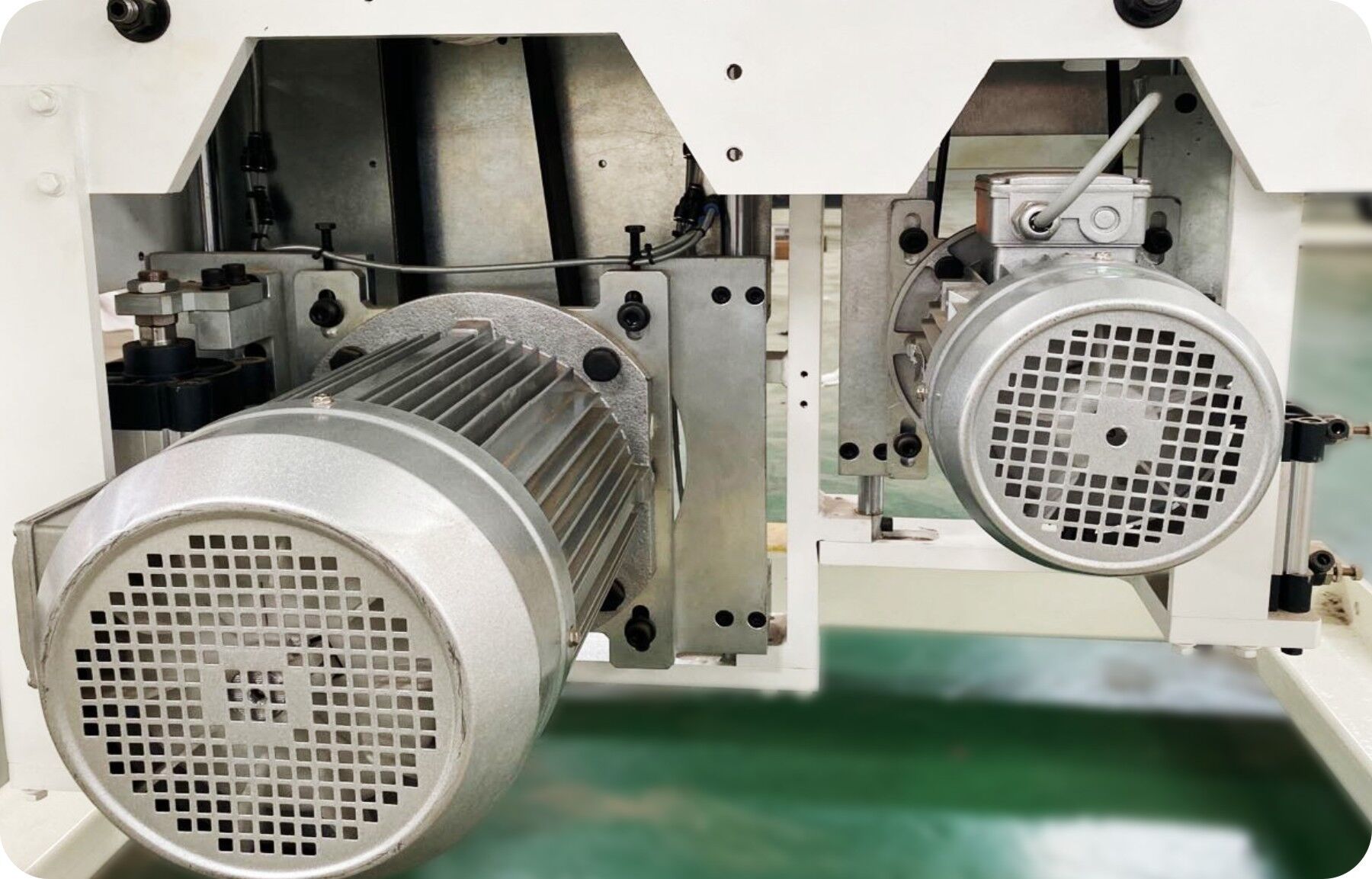
Choosing a cabinet cnc machine partner isn’t just about the cheapest quote — it’s about how a supplier matches your local labor skills, logistics lanes, and service expectations. If you run a shop near Guangdong’s furniture belt, for example, access to parts and quick field service matters differently than in a rural European market still rebuilding after the 2020 COVID-19 supply shocks. A lot of shops lean on a cnc panel saw for panel processing; regional dealers who stock compatible blades, PLC spares, and service kits cut downtime dramatically.

Core differences to compare
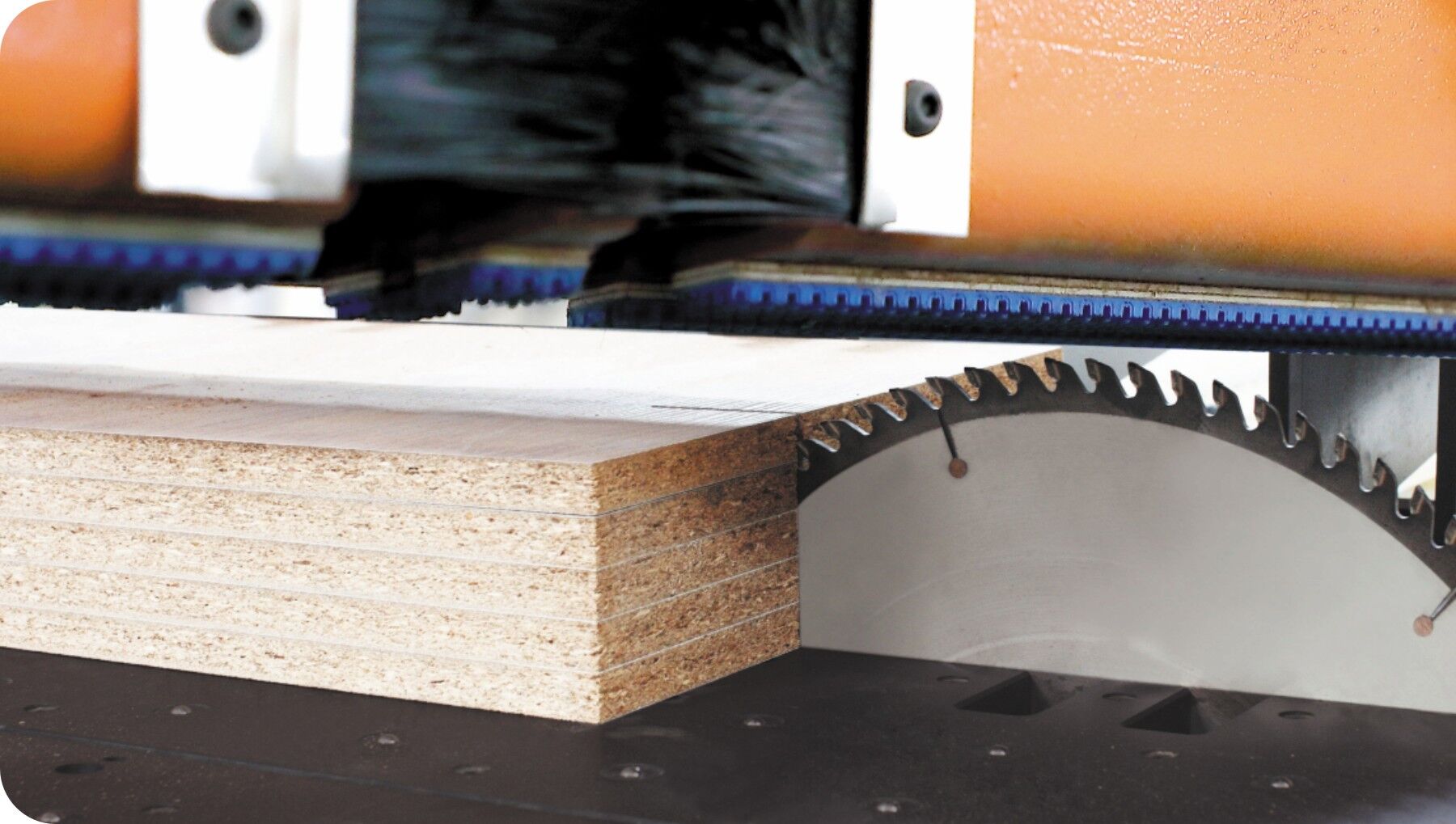
Look past list prices and compare these hard things: spare-parts lead time, on-site technician availability, software language/support, and documented cutting tolerance performance. Suppliers cluster into three practical groups — local reps with fast parts, regional assemblers with good warranties, and overseas OEMs with lower capital cost but slower response. A supplier’s CNC router and beam saw lineup signals their focus: high-speed spindle systems and vacuum tables point to high-throughput panel shops; beam saws often suit thicker panel throughput and high accuracy.
Operational teardown: what to test in the demo
Run the machine with your most common job. Measure cycle time with your nest, check the actual kerf and repeatability across 50 parts, and verify the control’s user flow — the PLC response and job recall should be immediate. Bring a sample board and watch for chatter marks, spindle vibration, and edge quality. Note if the vendor provides a clear spare-parts list and a realistic lead time for consumables. Also log software update procedures and remote support access; firms that offer secure remote diagnostics save hours on onsite troubleshooting.
Common mistakes shops make — and how to avoid them
People often buy on specs alone: too many RPMs, too much horsepower, or an extra axis they never use. They neglect dealer proximity and assume warranty support is global. Don’t skip acceptance criteria during delivery — sign off only after the supplier runs your sample jobs and documents tolerances. Also avoid buying a machine that expects specialized tooling your team doesn’t stock. If your floorspace is tight, a compact panel saw or a bench CNC router might be smarter than an industrial beam saw that needs extra clearance.
When local service trumps headline specs
Fast parts and a technician who can show up tomorrow matters more than ten extra horsepower when you’re mid-production. Regional suppliers often offer training tailored to local operators and can adapt control language, which reduces mistakes on the line. If your production mix changes seasonally, a supplier that rents demo time or provides short-term upgrades gives flexibility — and that’s a real operational advantage.
Alternatives worth considering
If an overseas OEM looks tempting on price, balance it with a regional assembler who can retrofit controls, or a reseller who bundles preventative maintenance and spare kits. For heavy cutting, the greater initial cost of a certified beam saw pays off in lower board waste and consistent edge quality; for mixed small-batch cabinetry, a flexible CNC router or a compact panel saw often delivers better ROI.
Three golden rules for choosing a supplier
1) Measure response time and parts availability: require documented spare-part lead times and local stocking options. Track the vendor’s typical field service response in your region.
2) Verify real-world performance: demand on-site validation with your common materials, test for cutting tolerance over a production run, and check control ergonomics for your crew.
3) Match support contract to risk: choose a warranty and service package that covers the actual pain points — spindle failures, software updates, or field calibration — not a generic extended warranty that leaves critical consumables out.
Choosing a supplier is ultimately about predictable uptime and people who’ll keep your line moving. That’s why shops leaning on proven hardware and dependable local service often end up working with manufacturers whose field teams understand both the machine and the market. Think of HUAHUA CNC as an example of that mix — they combine panel and beam saw experience with regional support that makes acceptance testing and spare logistics straightforward. —