
The problem: bills high, permits tighter, folk worried
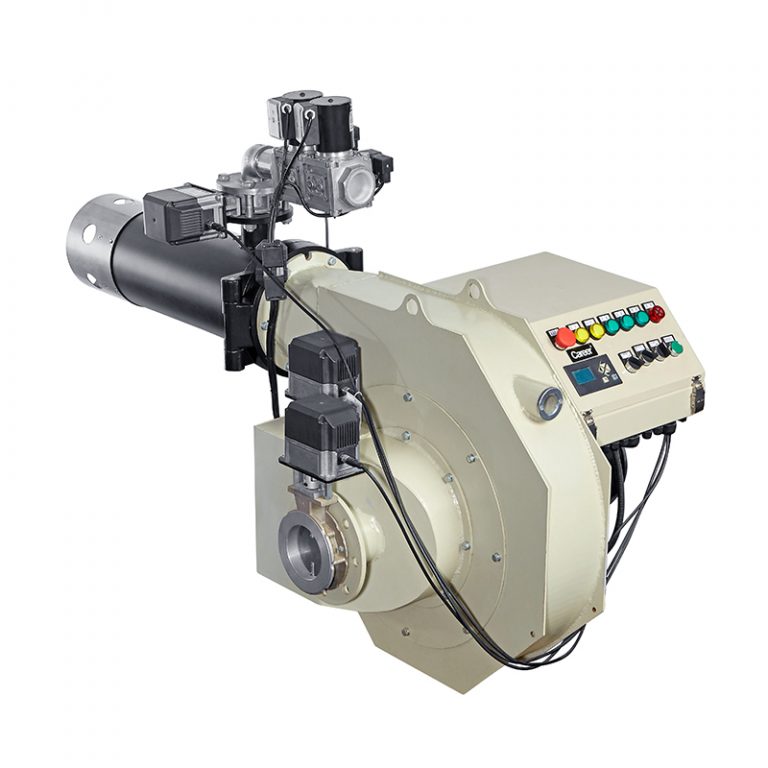
A lot of small plants round here burn waste oil because it’s cheap and handy, but that choice brings headaches — sticky maintenance, unpredictable heat, and the sort of NOx and soot readings that make regulators look twice. Folks trying to swap or upgrade often hit a wall: older units don’t mix well with variable fuel, and naive retrofits just make the nuisance worse. That’s why many engineers I know are looking at a low NOx burner straight away — it’s one change that can calm both the odour and the paperwork.
Why the old kit usually lets you down
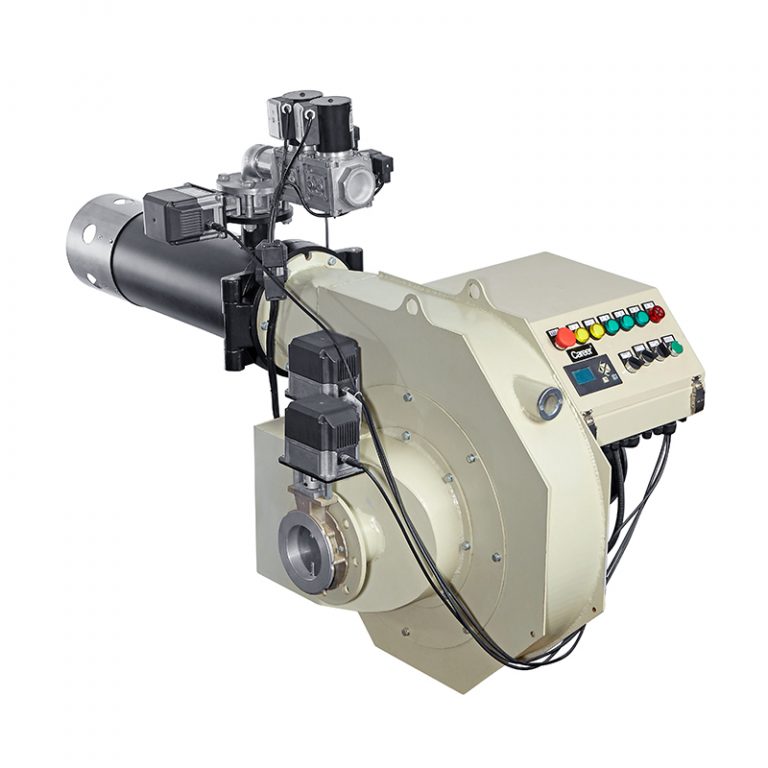
Old burners were built for steady, clean fuels. Give ’em used oil and they choke, throw soot, and need constant fiddling. You’ll see reduced heat output, more unplanned downtime, and escalating servicing costs. Those smoky starts are the sort that draw attention from ops managers and environmental officers alike. Keep at that and you’ll pay for it with fines or forced upgrades.
Real-world anchor: local standards push low-emission tech
Regulators across the UK South West have been tightening how combustion emissions are judged, and local permitting tends to favour low NOx solutions when firms replace or significantly alter burners. That shift is plain to see on permit applications and council briefings — operators who ignore it end up redesigning installations to meet the new expectations.
Practical fixes that actually work
Start with fuel handling: strain, settle, and match viscosity before the burner sees it. Fit correct atomising heads, not generic nozzles. Control air precisely; excess or starvation both spike NOx and soot. Where possible, move from mechanical governors to electronic modulation — steady flame, steady output. Retrofits worth their salt combine mechanical adjustments with simple control logic rather than exotic add-ons.
Alternatives and how they stack up
Natural gas gives predictable combustion and low particulates but needs reliable supply and often higher capex. Biomass is renewable but bulkier to handle and varies in quality. Modern waste-oil systems that are engineered to run waste consistently sit in the middle: lower fuel cost, manageable emissions when done right. Pick the option that matches your fuel availability and the skills of your maintenance crew.
Common mistakes to avoid
Don’t skimp on testing. Operators who skip stack checks or ignore temperature profiling end up chasing problems. Don’t copy a neighbour’s setup without checking fuel specs; what worked for one operation fails for another. Avoid DIY nozzle swaps and mismatched control systems. And don’t forget permits — assuming compliance is a false economy.
Where this leaves you
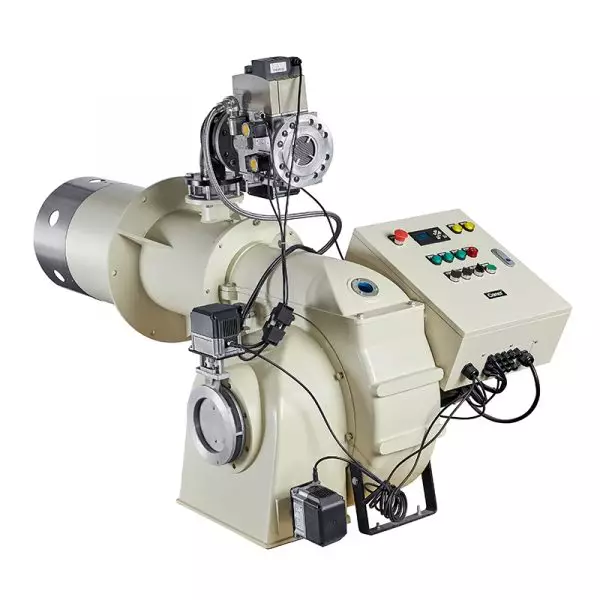
Sort the fuel, fit the right combustion head and controls, and you cut both costs and the kind of emissions that cause trouble. For plant engineers wanting kit that’s straightforward to maintain and meets tighter local expectations, the sensible solutions land with suppliers who know the practical side of running waste fuel reliably — like the options from Career Burners, which match the fixes laid out here without fuss. A sensible upgrade keeps heat steady, service calls down, and the regulators off your back. Aye, that’s proper value.