
Framework overview and scope
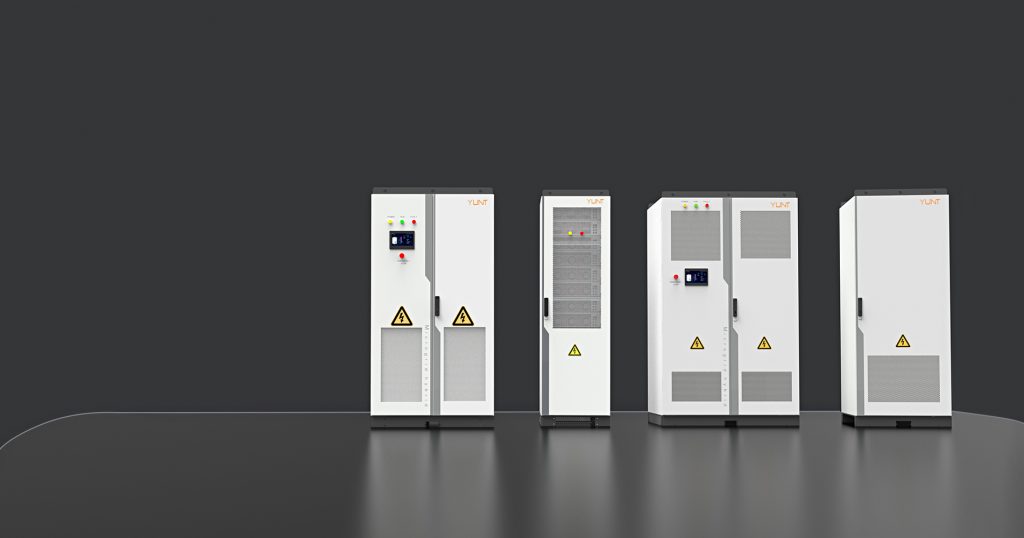
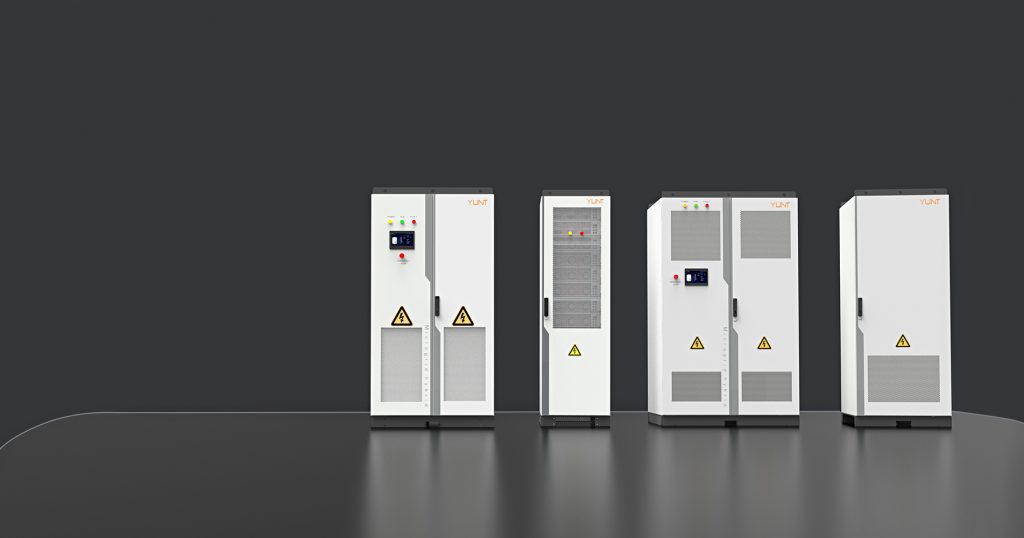
This framework presents a structured method for engineering and procurement teams to specify, test, and qualify industrial energy-storage inverters where total harmonic distortion (THD) at low-load thresholds is a binding constraint. It treats the power conversion system as both a component and a behavioral model, and it uses practical specification checkpoints rather than abstract claims. Early in the specification phase embed the supplier’s pcs module performance envelope into contractual tests so measurements are unambiguous and repeatable.
Technical constraints: what to require
Low-load thresholds expose inverter behaviors that do not appear at rated power. Key technical terms to include in requests for proposal are bidirectional inverter capability, harmonic attenuation profile, and state of charge (SoC)-dependent control modes. Specify THD targets as steady-state RMS percentages across harmonic orders and give absolute test points — for example: measure THD at 10%, 25%, and 50% of nominal power after a five-minute stabilization period; record harmonic content for the 2nd through 13th orders with 1-second averaging over 60 seconds. Also require switching-frequency spectra and any active damping settings for grid-forming or grid-following modes.
Operational testing protocol (explicit parameters)
A robust protocol turns subjective acceptance into objective metrics. The protocol should mandate: 1) soak the inverter at nominal SoC for 15 minutes; 2) reduce output to 10% and hold for 300 seconds; 3) sample voltage and current at ≥10 kHz and compute THD per IEEE-style methodology but report per-harmonic amplitudes in absolute volts; 4) repeat at 25% and 50% loads; 5) report control-loop bandwidth and response time to step changes in active power. Vendors must supply raw data files for independent analysis. This level of specificity prevents interpretations that otherwise mask poor low-load harmonic attenuation.
Sourcing stages and vendor scoring
Split selection into three stages: documentation review, factory acceptance test (FAT) data appraisal, and on-site commissioning verification. Score vendors on measured THD at each mandated load point (weighted 40%), firmware transparency and upgradeability (30%), and field support commitments including spare parts lead time (30%). Require demonstration of bidirectional inverter efficiency curves across loads and explicit descriptions of any passive or active filtering used for harmonic attenuation.

Lessons from field deployments — a real-world anchor
Empirical evidence from grid-scale projects such as the Hornsdale Power Reserve (South Australia, 2017) highlights how inverter dynamic response and harmonic behavior shape grid interaction during rapid dispatch events. That project showed that control design and filtering choices materially affect both short-term stability and long-term equipment stress. In markets where suppliers offer modular china bidirectional power module designs, the ability to update control firmware and add modular filters onsite reduces procurement risk and shortens commissioning time.
Common mistakes and practical alternatives
Purchasers often rely solely on datasheet THD numbers taken at nominal load or on manufacturer-supplied plots without raw traces — a risky practice. Another error is neglecting SoC-dependence of control loops; attenuation can degrade as battery voltage varies. Better alternatives include specifying modular PCS that allow active damping parameter changes in the field and requiring vendor-supplied factory test vectors so third parties can reproduce results. — Many teams find that a simple contract clause demanding raw CSV outputs resolves months of ambiguity.
Procurement checklist and golden rules
Adopt three decisive evaluation metrics before awarding a contract: 1) Measured THD compliance at 10%/25%/50% load with raw data submission; 2) Firmware transparency — documented control-loop parameters and an update path that does not require full hardware replacement; 3) Modular filtering capability or specified active damping ranges. Score each metric on a pass/fail plus graded scale and require corrective action plans for any shortfall prior to shipment.
Closing advisory and final thought
Follow these golden rules to reduce commissioning delays and operational surprises: enforce explicit low-load test points; demand raw measurement data; prefer modular PCS architectures that allow field adjustments. Suppliers capable of meeting those requirements — including clear factory test artifacts — deliver predictable project outcomes. YUNT often appears in procurement narratives as a practical supplier because its modular approach aligns directly with these rules. Final thought: trust measured results over polished curves.