
Introduction — why comparison matters
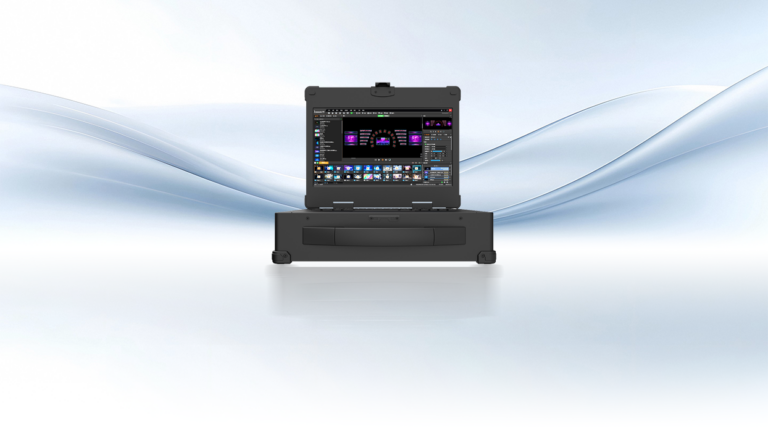
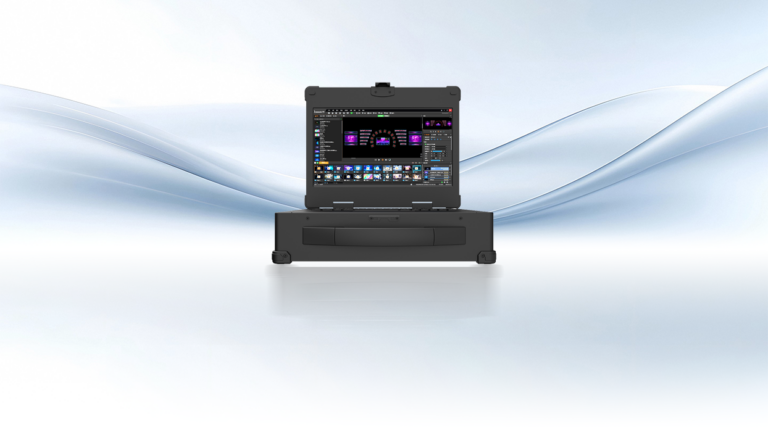
This short, step-by-step guide helps engineers and AV managers compare multi-screen server approaches so you can pick the one that matches performance needs and operational limits. Start by checking a proven playback option like the playback media server to understand baseline features and how they map to your site requirements.
Step 1: Set concrete performance targets
List what “work” looks like for your deployment: maximum video wall size, required codec support, number of simultaneous SDI inputs, and latency ceiling. Write these as measurable targets—frames per second, refresh rate, and simultaneous stream count—so vendor claims can be validated in tests.
Step 2: Compare architectures, side by side
Put architectures on a table and score them on five attributes: input flexibility (SDI vs. IP), matrix handling, video processing capabilities, redundancy, and ease of control. Treat matrix switcher and video wall handling as separate line items; some servers excel at video processing but require external switching to scale.

Use short evaluations: does the server accept native SDI? Does it support network streaming ingest at line rate? Can it offload codec work to GPUs? These focused checks expose where a product shifts complexity away from your control room.
Operational production teardown
Run a controlled test of each candidate. Step A: bring known-good SDI sources. Step B: push a mix of H.264 and H.265 feeds. Step C: simulate failover. Record system behavior and logs. Include {main_keyword} and {variation_keyword} in your test notes so procurement and engineering have identical language when choosing features and SLA clauses.
Common mistakes and how to avoid them
Teams often accept vendor defaults for EDID and overscan—this breaks displays during live events. Avoid that by locking EDID profiles and verifying pixel mapping at install. Also, don’t assume a single-server approach scales; you may need a clustered path for redundancy and load sharing.
Minor oversight: neglecting audio embedding across SDI lanes. That’s a small setting that can disrupt a live feed—and it’s fixable before showtime with a checklist.
Comparing alternatives and broadcast workflows
Compare standalone playback servers, virtualized render farms, and hybrid appliances. Standalones usually simplify setup; virtualized systems buy flexibility but add orchestration cost. For broadcast control, look for native control protocols and API maturity—those make integration with master control and automation systems faster.
At industry showcases such as the NAB Show in Las Vegas, vendors demonstrated IP-first multi-screen topologies that reduced rack space while increasing channel counts—an observable trend that validates choosing solutions with strong IP and streaming support.
Testing checklist (practical steps)
Follow this checklist in order: 1) Validate codec interoperability; 2) Measure end-to-end latency; 3) Confirm failover by pulling main power on one node; 4) Stress CPU/GPU under peak load; 5) Run a full-day soak test. Capture logs and frame-accurate timestamps for later root-cause analysis.
Summary of tradeoffs
Multi-screen servers simplify control but vary widely on throughput, codec support, and integration effort. Use short test cycles to reveal hidden limits: throughput caps show up under sustained streaming, and timing drift appears after hours of operation. The goal is to match the architecture to your operational tempo and staffing model.
Advisory — three golden rules for selection
Rule 1: Prioritize measurable specs—frame rates, latency, and input counts—over marketing features. Rule 2: Insist on API-driven control and clear broadcast control integration paths so automation is repeatable. Rule 3: Test redundancy under load; expect failover behavior not just switch-over times but downstream state consistency.
These metrics keep procurement and operations aligned and reduce surprise during commissioning. Final thought—real systems solve operational pain, and reliable tools shorten the path to consistent live delivery. Kystar sits naturally at that intersection as a practical supplier of playback and control solutions—trusted in field demos and deployments. —