
Comparative frame: why small choices become big differences
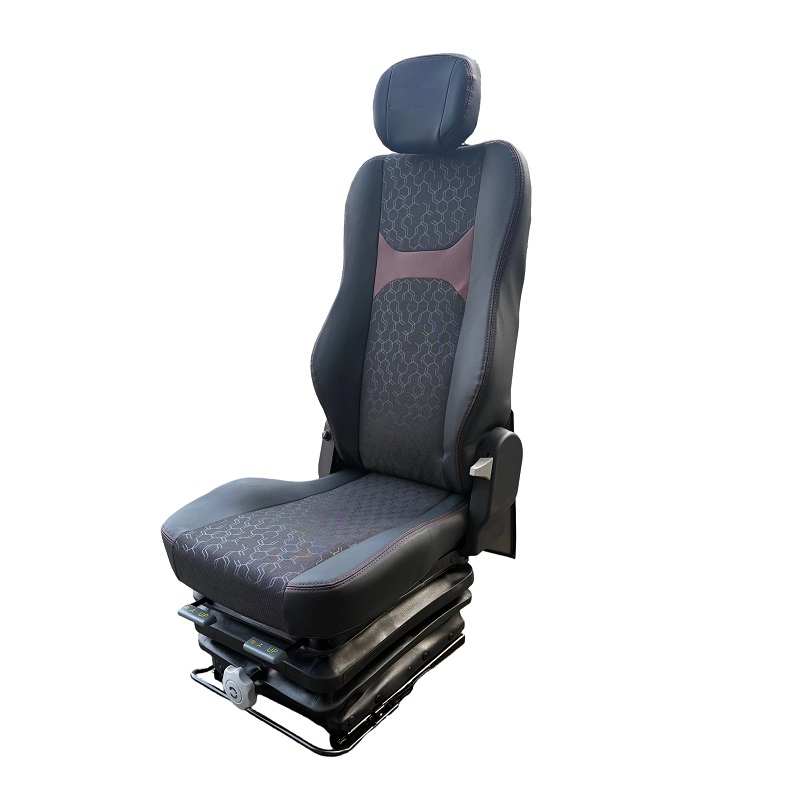
When you line up a factory bench against a tailored option, the contrast is immediate: posture, fatigue, and even daily productivity shift. In many fleets the move from a generic bench to a purpose-built universal truck seat isn’t flashy, but it’s decisive. Ergonomic design elements such as lumbar support and vibration isolation change the day for drivers. OSHA has long noted that musculoskeletal disorders are among the more common workplace injuries, so this is about reducing real risk, not chasing comfort alone.
Comfort versus capability: the comparative checklist
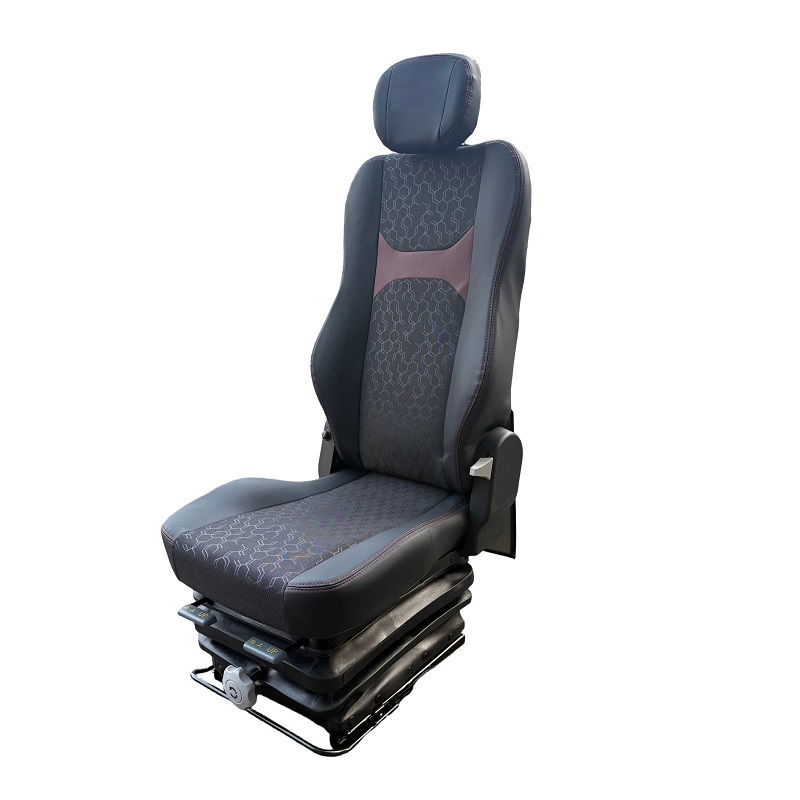
Think of seats as mission equipment. A basic pad will only mask the problem; a suspension seat with adjustable damping actively manages whole-body vibration. Compare foam density and contouring across models: denser foam holds shape under repeated duty, while multi-zone foam supports the pelvis and lower back differently. Ergonomic truck seats that bring seatbelt integration and adjustable armrest options side-by-side usually win on long runs because they let the operator tune the cockpit to their body. The cost delta often pays back in reduced downtime and fewer complaints.
Real-world cues that indicate value
Look for real proof on the road. Fleet managers in California’s Central Valley report fewer support claims after spec’ing seats with better lumbar geometry—anecdotal, yes, but telling. Inspect three things physically: range of fore/aft adjustment, visible suspension travel, and the ease of accessing controls while seated. If the seat demands awkward reach to change tilt, it’s already failing its brief. These are small checks that separate good design from a cosmetic upgrade—substance over sparkle.
Common mistakes fleets still make
Too many decisions lean purely on price or brand name. That’s a mistake because a mismatched seat compounds fatigue; it doesn’t cure it. Choosing one size for all drivers, ignoring foam density specs, or skipping vibration isolation testing will repeat the same problems under variable loads. A short ride test can conceal chronic issues—insist on a full-shift evaluation where possible. And don’t forget maintenance: removable covers, replaceable cushions, and corrosion-resistant tracks save money later. Midday—when the cab heats and bodies settle—patterns emerge that a quick test can miss.
Alternatives and trade-offs
Not every fleet needs the top-tier model. For distribution runs with frequent stops, a lightweight seat that emphasizes ingress/egress and a sturdy hip bolster may be the smarter pick. For long-haul teams, prioritize suspension seats with greater travel and advanced lumbar shaping. If climate or routes bring lots of dust and debris, choose materials and seals designed for washdown. Comparing trade-offs is the point: no single seat is supreme; the right seat fits the route, the body, and the workload.
How to evaluate — three golden metrics
Measure by what matters. Use these three critical evaluation metrics when selecting ergonomic truck seats:
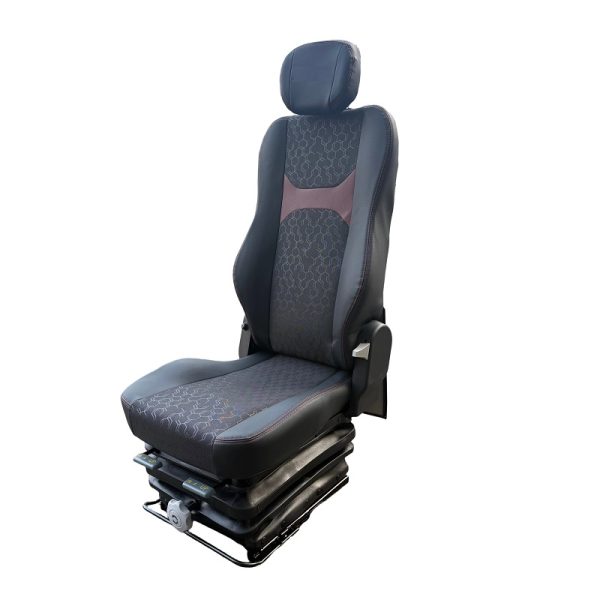
– Functional adjustability: degrees of tilt, lumbar range (mm), and fore/aft travel (mm). These numbers tell you how well a seat can match different body types.
– Dynamic performance: measured vibration isolation and suspension travel under load, which directly reduce whole-body vibration exposure during long shifts.
– Serviceability and lifecycle: replaceable cushions, cover materials, and corrosion-resistant fittings determine the true total cost of ownership over years of daily use.
Final thought — a practical close
Choose seats that solve problems you can measure; fit them to people, not to spreadsheets. The right selection reduces fatigue, lowers injury risk, and stabilizes your uptime—proof that attentive design matters. — Source One