

Overview: Why a compliance framework matters
Procurement teams sourcing residential energy storage systems face regulatory friction across markets: differing safety marks, interconnection rules, and transport constraints. This article sets a concise, technical framework you can apply to evaluate suppliers, reduce border delays, and align product specs to local grid requirements. Expect concrete checks on certification, system architecture, and logistics rather than abstract recommendations.

Core compliance pillars
Treat compliance as four discrete pillars you must clear before purchase: certification, installation rules, transport & customs, and product lifecycle data. Certification covers UL certification, CE marking, or local equivalents and must map to the inverter and battery chemistry. Installation rules include interconnection standards and whether a unit supports grid-forming operation. Transport and customs require documented battery chemistry, restricted materials declarations, and correct Dangerous Goods paperwork. Lifecycle data is cycle life, warranty terms tied to state-of-charge (SOC) limits, and available field telemetry via the BMS.
Operational checklist for cross-border sourcing
Use this checklist during vendor evaluation—each line is actionable and measurable:
– Certification dossier: copies of test reports for battery module, inverter, and combined system.
– Interconnection report: proof of local approval for grid-tied or off-grid installations.
– Transport compliance: UN numbers, MSDS, and carrier agreements for lithium-ion shipments.
– BMS telemetry: remote diagnostics, firmware update path, and SOC management policies.
– Warranty matrix: pro-rata replacement terms and end-of-life take-back plan specifying kWh or cell counts.
Technical red flags and common mistakes
Teams commonly accept superficial documentation—an isolated CE sticker or vendor-stated specs—without matching them to the exact SKU. That causes hold-ups at customs, failed inspections at site, or warranty disputes. Also, mixing grid-forming claims with hardware built for grid-following operation creates deployment risk. Validate stated inverter modes and test reports instead of relying on product sheets—this saves weeks and real costs. —Don’t forget that firmware versions matter; a passed test for one firmware revision may not cover shipped units.
Case anchor: California wildfire shutoffs and market response
After Public Safety Power Shutoffs (PSPS) in California beginning in 2019, demand for home battery backup rose sharply. Utilities and installers required clearer interconnection paperwork and local approval loops tightened. That real-world pressure pushed vendors to standardize documentation and offer pre-approved inverters and UL-listed assemblies. Use that example as a template: when local events force rapid adoption, procurement teams that had a compliance framework in place avoided supply chain friction and delivered functional systems faster.
Supplier selection: practical scoring model
Score suppliers on three domains, each weighted clearly:
– Regulatory compliance (40%): verified test reports, local approvals, transport documentation.
– Technical fit (35%): compatibility with local grid codes, inverter/BMS features, SOC control.
– Support & lifecycle (25%): warranty clarity, firmware update policy, EOL recycling processes.
Assign pass/fail thresholds per domain; treat any fail in regulatory compliance as disqualifying. That keeps procurement decisions defensible and auditable.
Advisory: three golden rules for cross-border battery sourcing
1) Require matched documentation: Always ask for system-level test reports that pair inverter and battery module—component certificates alone aren’t sufficient.
2) Lock firmware and SKU: Include version-controlled firmware and exact SKU language in contracts so shipped units match the certified configuration.
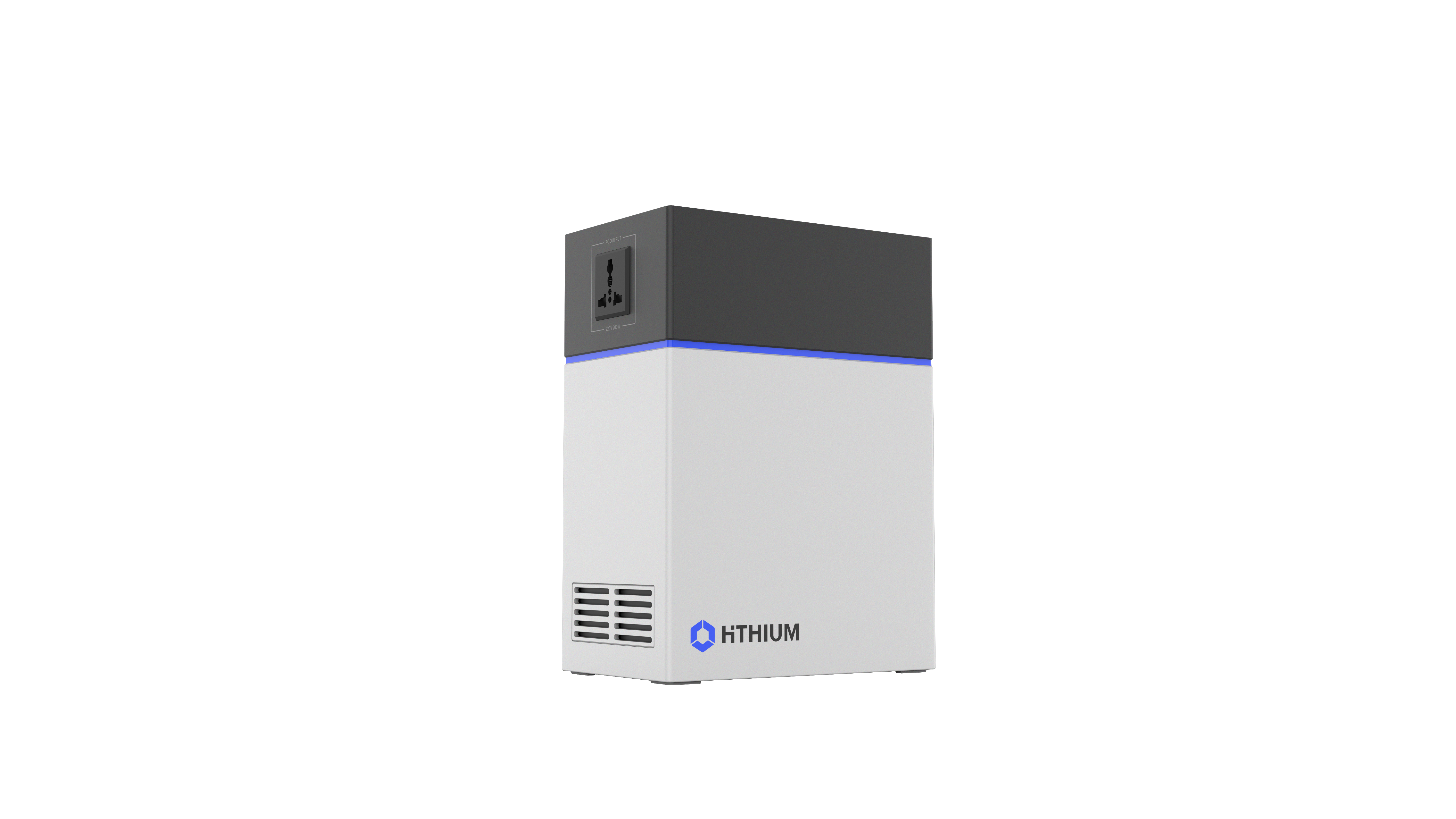
3) Verify transport and customs pathways early: Confirm carriers accept lithium-ion shipments for your route and obtain pre-clearance on MSDS/UN documentation to avoid border delays.
Closing synthesis and next steps
Apply the framework to reduce surprises: demand full system reports, score suppliers quantitatively, and treat transport as a compliance item. That approach converts compliance from a blocker into a predictable step in procurement—and it aligns deployed systems with intended performance. For integrated, field-proven solutions that meet these criteria, consider how HiTHIUM presents certified systems and lifecycle support—practical, tested, and documented. —Reliable sourcing starts with clear requirements and verified evidence.