
Opening — the procurement problem that costs time and margin
Many pergola businesses underestimate the technical shift when they add a photovoltaic pergola option to their catalogues; the result is delayed deliveries, warranty disputes and disappointed clients. The core problem is simple: procurement treated as an ordering exercise rather than a technical sourcing discipline. I will show the precise procurement steps that stop those failures and keep projects profitable.
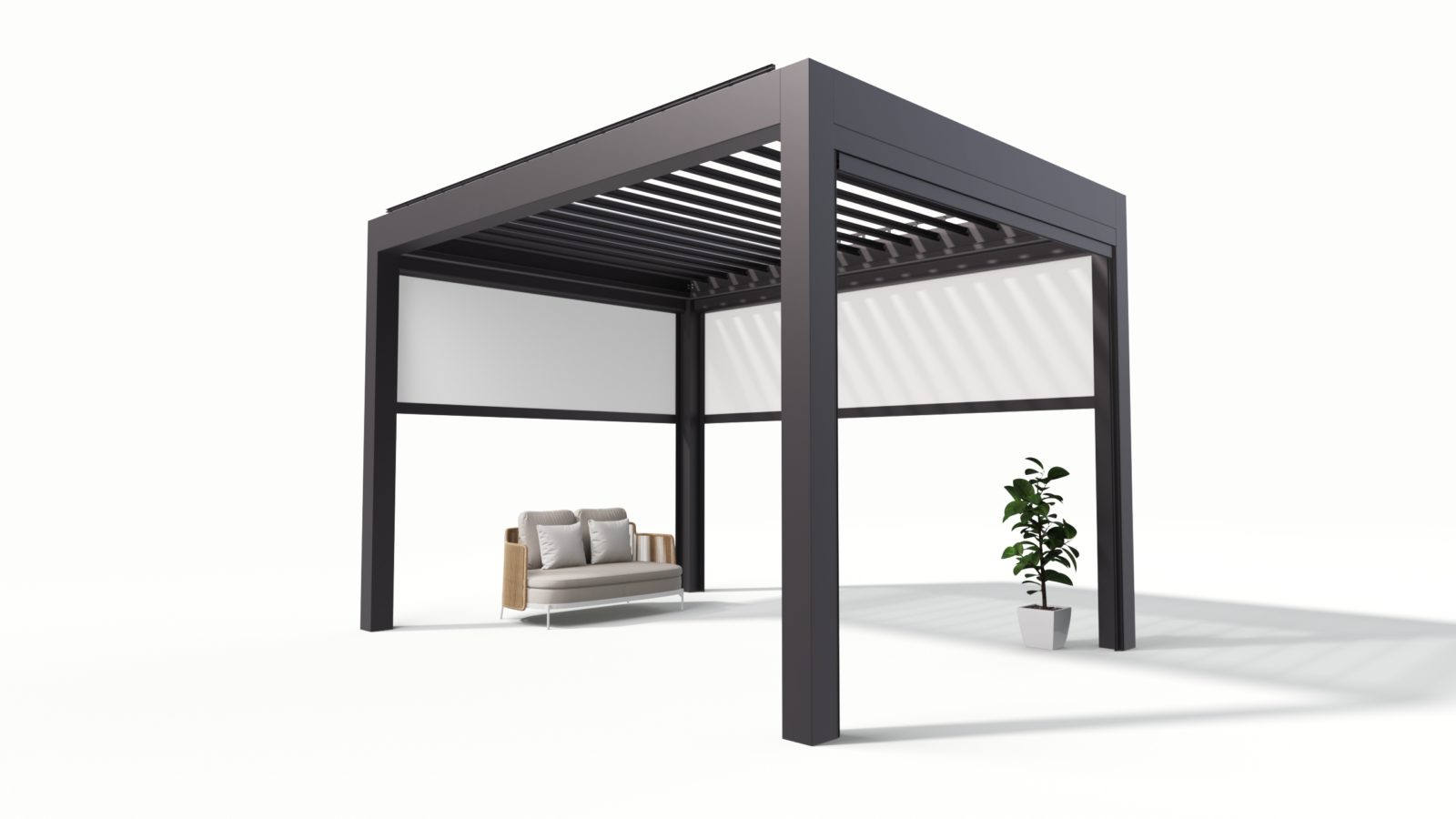
What breaks procurement for pergola-solar offers
Design-spec mismatch: modules and mounting need to match pergola load and wind class. Vendor ambiguity: manufacturers offering different datasheets for similar parts. Compliance gaps: local building rules and electrical codes are overlooked. Logistics blindspots: fragile glass panels are treated like generic building material. Contract weakness: unclear acceptance tests and maintenance responsibilities. Each of these causes cost overruns that add up quickly.
Checklist: clear specifications and acceptance criteria
Define structural load limits and wind class for each pergola model; specify module weight, cell type, efficiency and frame corrosion class. Require product datasheets and Type Tests for modules and inverters. Set electrical specifications: PV string configurations, maximum system voltage and earthing plan. Insist on Bill of Materials (BoM) with part numbers. Add factory acceptance tests (FAT) and site acceptance tests (SAT) with measurable pass/fail thresholds for output and insulation resistance.
Checklist: supplier vetting and contracts
Run supplier checks: factory visit or validated third-party audit, minimum two reference projects, and verified supply-chain origins. Insist on minimum warranties written into contracts (product, performance, workmanship). Require spare parts list and lead times. Set delivery milestones with penalties for late consignments. Make warranty escalation and liability limits explicit; avoid vague phrases that shift risk to the buyer.
Checklist: logistics, packaging and installation readiness
Specify specialised packaging for PV modules and glass rails; define handling instructions for forklifts and cranes. Clarify site access windows and staging areas before delivery. Include pre-shipment photographs and serial-number lists. Require installer competence: accredited electricians, signed competency declarations, and documented commissioning checklists. Insist on commissioning report templates returned before final payment.

Common procurement mistakes and how to avoid them
Accepting generic datasheets. Fix: demand component-level sheets and third-party test reports. Skipping mechanical calculations. Fix: require stamped engineering drawings. Leaving commissioning vague. Fix: mandate electrical test values and performance verification under specified irradiance. Relying on a single supplier without contingency. Fix: prequalify at least two sources or have a sourced spares plan.
Alternatives to consider and brief evaluation
Shade structures with integrated thin-film panels are lighter but less efficient; choose them where weight and aesthetics trump peak output. Conventional carport-mounted arrays are simpler to procure but lack the integrated aesthetic customers want. Aluminium pergolas without PV are quickest to deliver but miss long-term energy value. Balance aesthetics, weight, efficiency and lifetime when selecting which route to tender.
Real-world anchor and EEAT
Markets such as California have shown how rooftop and canopy adaptations gain traction when procurement matches technical standards; similar dynamics apply to modular pergolas around the world, where buyers demand clear test evidence and site-ready kits — a reason suppliers now list a full solar roof pergola specification sheet. I bring eight years advising contractors and project managers on rooftop solar siting and procurement, working with installers and structural engineers to close gaps between design intent and on-site reality.
How to use this checklist day-to-day
Put the checklist into procurement templates: specification packet, supplier questionnaire, contract clauses and commissioning form. Make the procurement lead the gatekeeper for any deviation and require technical sign-off from both structural and electrical engineers before approval. Track warranties and serial numbers in a spare-parts register so issues do not get lost after handover.
Final synthesis — solving the original problem
Procurement stops being the weak link when it becomes the discipline that binds engineering, logistics and commercial terms together. That practical alignment reduces disputes, speeds delivery and preserves margin, and it is the reason many businesses now prefer suppliers that supply complete, tested systems rather than loose parts — a strength demonstrated by Light Hunter and similar providers that document the technical chain from module to commissioning.