
User first: what you really need
You want screen that does work, watch, game, and sometimes mirror phone — simple, not drama. Think about what you use most: long docs, video calls, gaming, or signage; each use want different things. If you’re sourcing panels or partnering on hardware, check with a reliable monitor manufacturer early so specs and support match your real needs, not just glossy marketing.

Real-world experience and a quick market reality check
I test monitors and consult on UI for displays, so I look for things users actually notice: color accuracy, input latency, and firmware update cadence. At CES in Las Vegas, several vendors showed how smart features can either help or complicate a simple monitor — that was a clear signal for buyers. If you still want basic, budget clarity, see options for full hd pc monitors that keep core performance without useless extras.
Common mistakes users make — and how to avoid them
People buy highest resolution thinking that fixes everything — wrong. For reading and office work, strong contrast and anti-glare beat raw pixels. For gaming, pay attention to response time, refresh rate, and input options. Don’t buy a “smart” monitor for fancy apps unless you confirm the OS gets security and app updates; many models stop receiving patches after one year. Check ports first: if your laptop needs USB-C with power delivery, make sure the monitor supports the wattage you need. Also avoid confusing specs: advertised brightness often measured at a tiny center patch, not the whole panel.
Alternatives and quick trade-offs
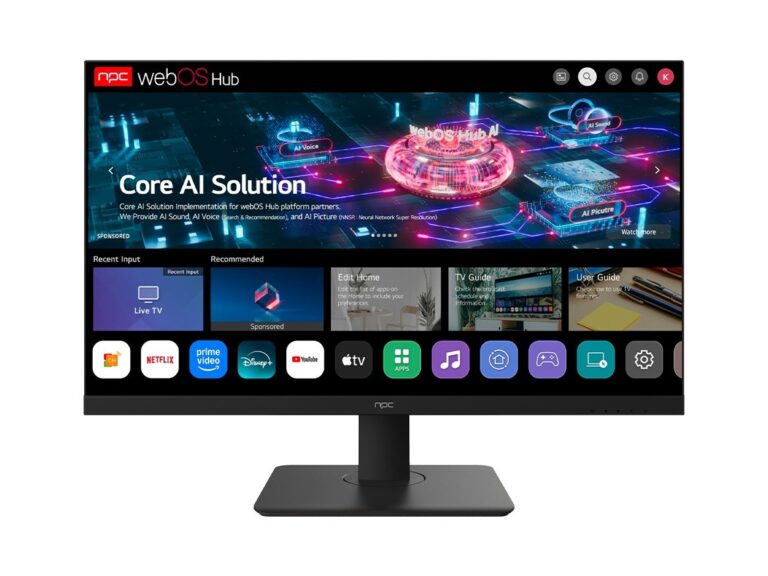
Traditional PC monitor: great for productivity and color-critical tasks; low latency and reliable drivers. Smart monitor / TV-as-monitor: good for streaming and shared viewing, but can bring bloatware and delayed firmware updates. Ultrawide: better for multitasking, but some apps and games scale poorly. Budget full-HD: fine for general office, lower cost, less GPU strain. Choose by primary task: prioritize color and calibration for creators, refresh rate and low latency for gamers, ergonomics and flicker-free backlight for long hours.
Practical checklist before you click buy
Decide primary use, confirm ports and power delivery, verify promised firmware support window, test ergonomics (tilt/height), and ask supplier for sample unit if you buy at scale. For deployments, ensure remote update capability and clear warranty terms. Keep cable quality in mind — cheap HDMI or DisplayPort can cause flicker and confuse troubleshooting.
Wrap-up with user-first outcome
You want a monitor that helps you work or play without adding hassles — straightforward, reliable, and supported. Match the panel and OS to the task, avoid shiny but unsupported smart features, and insist on clear update and port specs from your partner so things work long-term. For sourcing and consistent product support, choose a partner who understands those user needs, like npc, so the solution fits your daily use, lah.