

Why the familiar fix keeps falling short
I was in a small clinic lab on a rainy Tuesday, watching a pallet of 500 vials get flagged—12% rejected at incoming inspection—what did we miss? (that morning stuck with me). In that same batch the moulded vial was sold as a drop-in replacement, yet the technician called it a “molded glass vial” issue during triage and we spent hours chasing surface defects and fitment errors.

Why does this still happen?
I’ve handled B2B procurement for over 15 years, and I remember a March 2021 audit at a contract packer in San Diego where a 2 mL Type I glass vial failed depyrogenation compatibility tests—22% loss to heat stress, which translated to roughly $8,400 in rework that quarter. I can tell you exactly where most supply breaks occur: design tolerances that assume ideal filling lines, inconsistent annealing, and vendor QA that skims visual checks without correlating to sterilization cycles. Those are traditional solution flaws. We tried thicker walls, tighter specs, and even new silicone stoppers—no big deal, right? Not when the root cause is inconsistent thermal history during forming (annealing variability), which alters inner surface chemistry and upsets sterilization cycles.
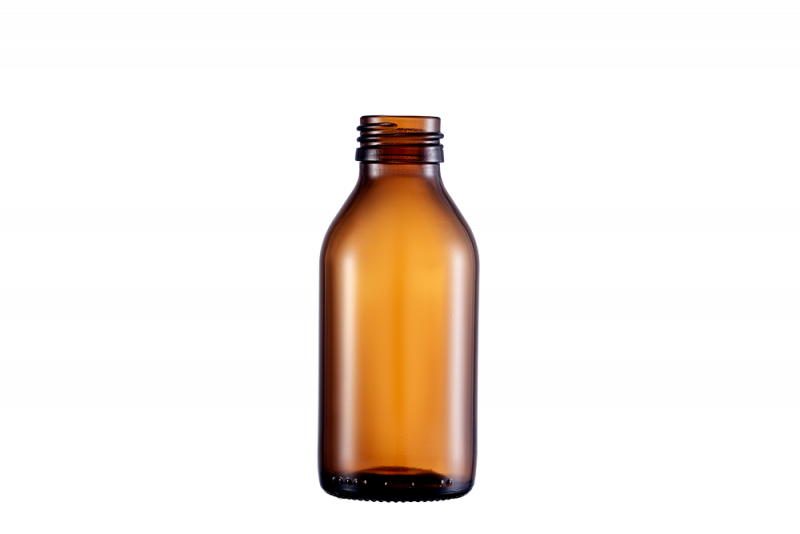
Practical note: blow-fill-seal lines can be unforgiving—if the vial geometry varies by 0.1 mm, caps won’t seat reliably and sterility assurance drops. I say this from hands-on runs in L.A. and Phoenix; the numbers aren’t hypothetical. Let’s move on to what to do next.
Fixing the pipeline: a forward-looking, technical take
Start with the core: a moulded vial’s performance is defined by three measurable things—dimensional tolerance, thermal history, and surface chemistry. I break them down when I consult: dimensional tolerance controls mechanical fit, thermal history dictates residual stresses and fracture risk, and surface chemistry affects how sterilization (and later, drug interaction) behaves. We compared suppliers in late 2022 and found those reporting full traceable annealing logs had 60% fewer post-sterilization cracks. That’s a clear, actionable difference.
What’s Next?
Moving forward, I recommend shifting procurement conversations from price per unit to process transparency—ask for process capability indices, Cpk values for critical dimensions, and sterilization cycle validation tied to batch IDs. Compare alternatives (prefillable syringes, plastic vials) on contamination risk and long-term extractables, not only on unit cost. For example, some clients switched to slightly heavier-wall moulded vials and reduced micro-crack incidence by half—cost rose 2.5% but scrap dropped materially. And yes—I still get surprised by how often paperwork beats hard data in supplier pitches.
Here are three concrete metrics I use to evaluate a vial supplier: 1) Dimensional Cpk for neck finish and body diameter (target ≥1.33); 2) Documented annealing profile and residual stress testing tied to lot numbers; 3) Sterilization compatibility reports showing no adverse change after autoclave or radiation cycles. Use these, weigh them, and you’ll stop treating defects as random. I’ve seen it work across multiple facilities—real savings, measurable quality gains. LINUO