
Opening comparison and where to look first
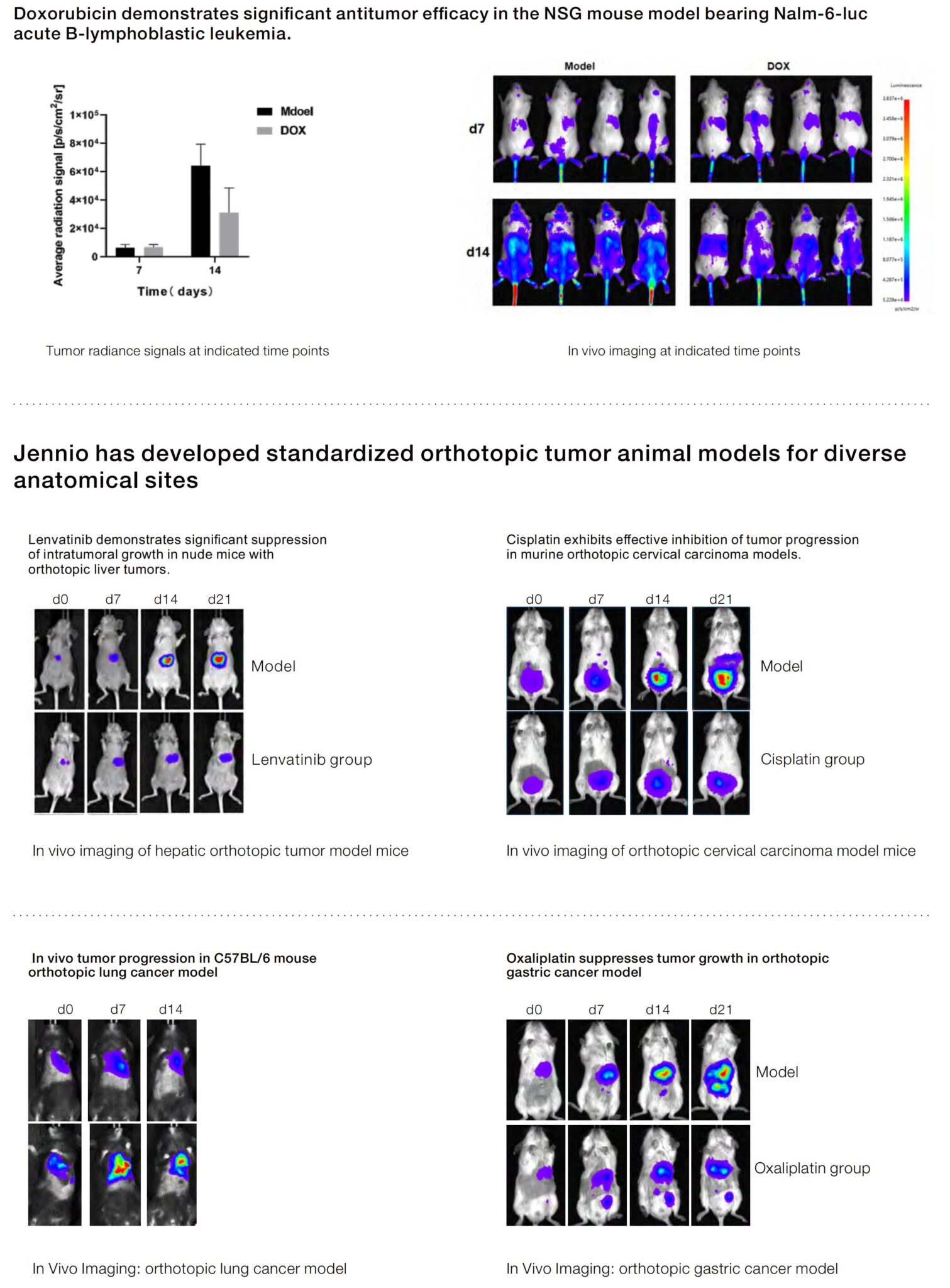
Many teams in drug discovery must decide whether to run in-house animal studies or partner with an external contract research organisation. A clear comparison starts with a focused use-case: for studies needing consistent tumour growth and tight timelines, a well-run cdx model can shorten development cycles while keeping variability low. This piece compares operational, scientific and regulatory trade-offs so you can choose with confidence.
Operational realities: throughput, consistency, and cost
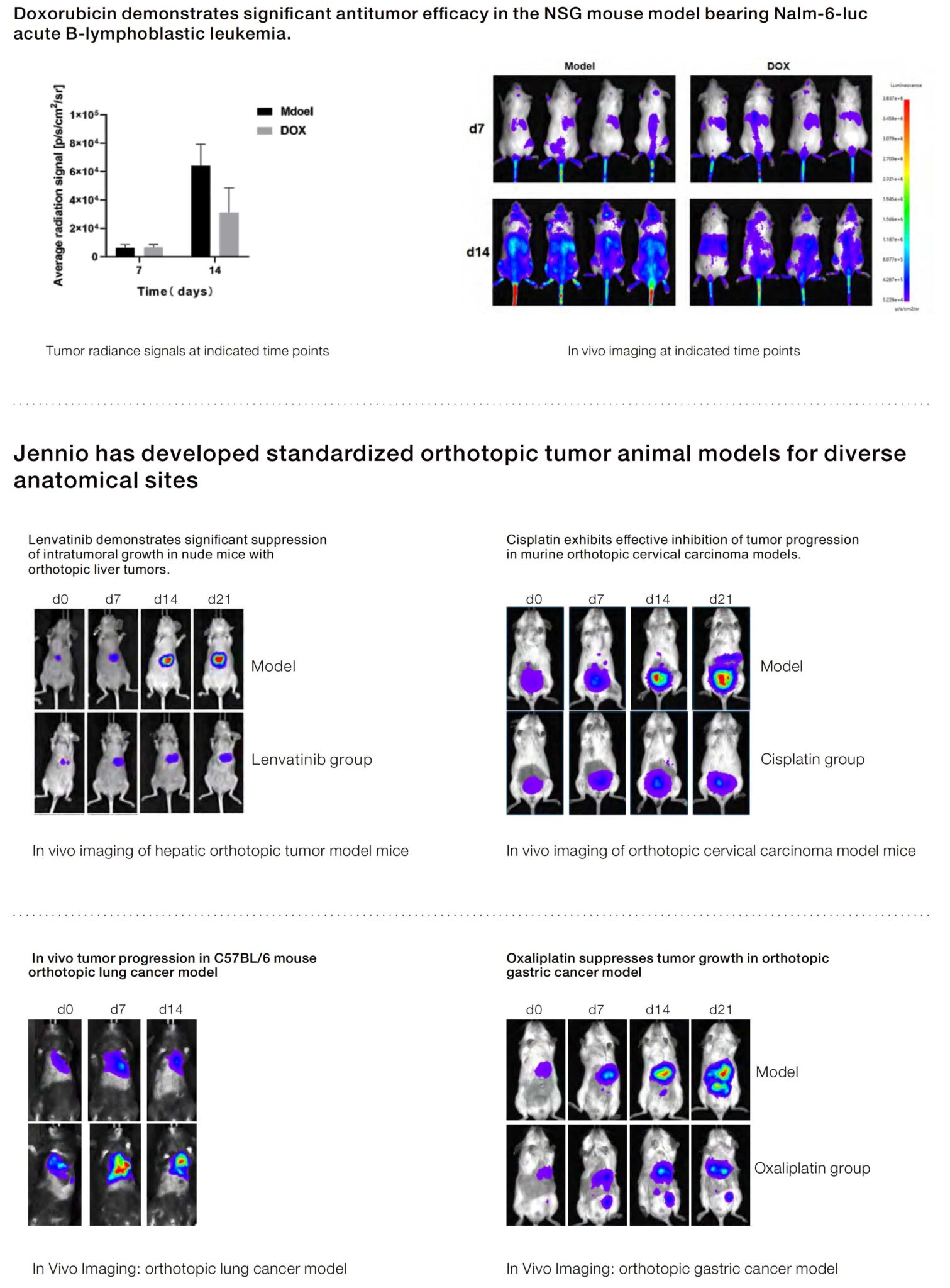
Outsourced facilities built around high-throughput xenograft workflows typically deliver reproducible tumour engraftment rates and standardised data capture. In-house setups often face start-up overheads: facility upgrades, staff training, and supply chains for immunocompromised mice. Outsourcing shifts fixed costs into fee-for-service models and reduces scheduling drag for busy teams. The practical result is steadier timelines and fewer last-minute surprises.
Scientific control versus specialised expertise
Running studies internally gives direct experimental control, but many top-tier CROs offer decades of cumulative experience across tumour models, biomarker assays, and pharmacokinetics panels. Their biostatistics pipelines and historical control datasets improve signal detection — an asset when effect sizes are modest. Outsourcing also provides access to validated model banks, including established CDX lines and PDX collections, which may be difficult to assemble and maintain in-house.

Data quality, reproducibility and regulatory alignment
High-quality animal data matters in submissions and translational decisions. Reputable CROs maintain GLP-like documentation practices, strict SOPs for tumour measurement and predefined criteria for study inclusion. These practices reduce ambiguities later in regulatory discussions. Cambridge, Massachusetts and other biotech hubs have long shown how concentrated expertise raises reproducibility standards; working with partners steeped in that environment helps align study design with reviewer expectations.
When in-house still makes sense
Certain programmes — early exploratory biology or proprietary platform development — retain value inside an organisation. When the experiment requires rapid iteration, bespoke surgical techniques, or close integration with a discovery team, keeping models local reduces the friction of shipping tissues and coordinating visits. Yet even these groups commonly hybridise: they run initial optimisation in-house, then transfer validated protocols to a CRO for scale.
Common pitfalls when outsourcing (and how to avoid them)
Teams sometimes assume all CROs are equal: that is not the case. Avoid these mistakes:
– Failing to specify tumour passage number and cell line provenance — this drives variability.
– Neglecting harmonised endpoint definitions and measurement frequency; small timing shifts alter tumour growth curves substantially.
– Skipping a site audit or failing to review historical control data; a short review of past studies frequently reveals important differences in engraftment and growth rates.
Clear contracts, shared protocols and pilot runs address most issues — and a transparent partner will welcome such checks.
Alternatives and complementary models
Beyond cell line xenografts, many groups evaluate patient-derived xenografts (PDX) for clinical relevance or use syngeneic models for immune-oncology programmes. Each model class answers different questions: CDX for controlled mechanism work, PDX for heterogeneity and translational fidelity, syngeneic for immune context. A mixed strategy often yields the best translational bridge — combining controlled CDX studies with later PDX confirmation.
Real-world anchor and credibility
Multiple large academic centres and biotech firms in areas such as Cambridge have relied on external model providers to meet tight grant or milestone timelines. That reliance has produced peer-reviewed studies showing higher inter-study reproducibility when standardised model banks and SOPs are used — a practical endorsement of outsourcing when the partner maintains rigorous quality systems.
Advisory: three golden rules for choosing the right outsourced partner
1) Verify model provenance and QC metrics: require documented cell line authentication, mycoplasma testing windows, passage numbers, and historical tumour engraftment statistics. These technical details matter more than promotional claims.
2) Insist on harmonised endpoints and raw data access: ensure tumour volume measurement schedules, euthanasia criteria, and biomarker assays are pre-agreed and that raw data files are provided for independent analysis.
3) Pilot then scale: run a small, well-defined pilot to confirm timelines and variability before committing to larger cohorts; this protects milestones and reduces downstream rework.
By applying these rules you keep scientific control without the full burden of in-house operations — and that balance is where Jennio Biotech’s offerings provide practical value. Jennio Biotech. –