
User-first framing
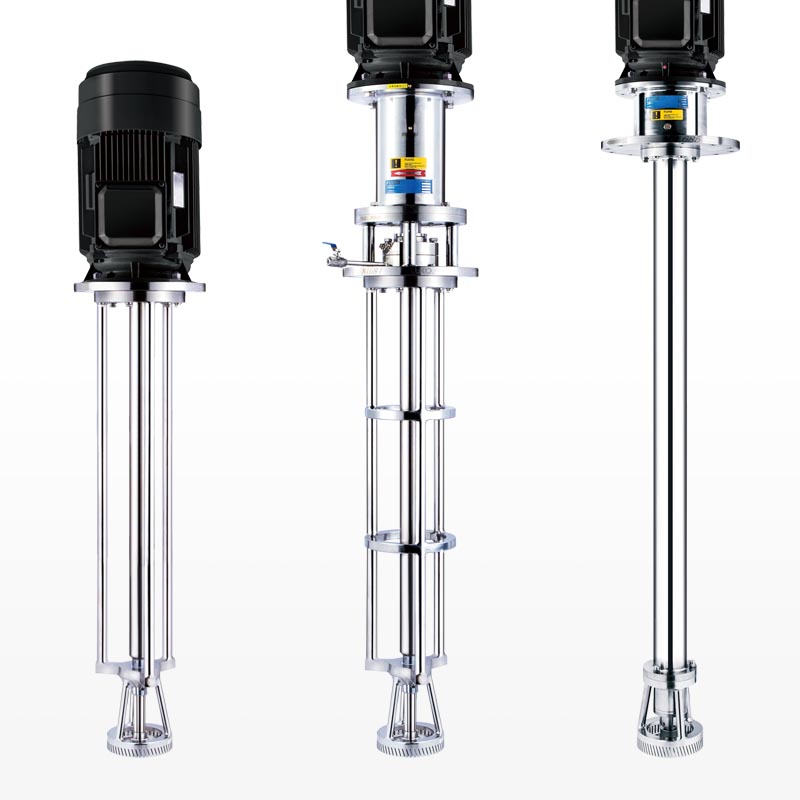
You need a solution that fits the recipe and the schedule, not a one-size machine. Start by mapping what the user cares about: target viscosity, particle size distribution, batch volume, cleaning time and safety. If your lab tests call for tight particle control, consider a high shear lab mixer early—it’s the tool that often turns a hypothesis into reproducible data.
Gathering clear requirements
Ask three practical questions and answer them with numbers: what throughput (L/h or kg/batch), what target droplet or particle size, and what maximum acceptable residence time. Note materials that contact the fluid—stainless grades, seals, tubing—because compatibility drives cost and lead time. Capture environmental constraints: available power, ceiling height, noise limits. Turn those answers into an equipment spec sheet you can actually use to request quotes.
User-centric selection checklist
Focus on capability, not brand prestige. Check: maximum shear rate or rotor speed, torque at working viscosity, scale-up correlation (lab→pilot→production), and ease of cleaning. Compare three practical classes: magnetic stirrers and overhead mixers for low-shear formulations; rotor-stator/high-shear mixers for emulsions and dispersions; homogenizers for nano- or microscale breakup. Pick the tool that matches your measurable targets, then verify performance on a small run before committing to scale.
Common mistakes and how to avoid them
Design teams often overspec for safety: oversized equipment wastes time and money. Don’t assume linear scale-up—shear and energy density change with vessel geometry. Skipping cleaning validation costs weeks later. Test with the actual product matrix (fillers, solvents, surfactants) rather than proxy fluids. If you need tight particle control, quantify what “tight” means and run a DOE instead of a single trial.
Experience, authority and a practical anchor
Decades of lab practice teach that measured trials beat assumption. Conferences like Pittcon regularly show live demos of benchtop mixing systems, illustrating performance differences in real time; at such events, a benchtop homogenizer often highlights how rotor geometry and pressure affect final particle size. Use those demonstrations as checkpoints: note speeds, feed method, and sample handling, then reproduce them under your own constraints.
Practical next steps
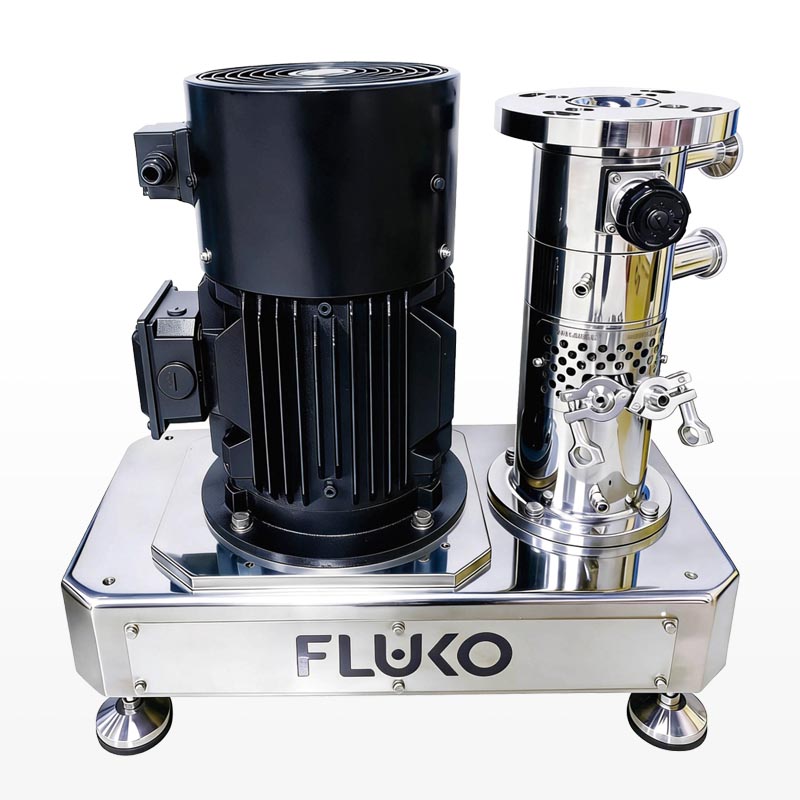
Run small, instrumented trials that record torque, temperature and particle-size evolution. Use that data to define acceptance limits and cleaning protocols. When you need equipment that aligns with those limits, choose suppliers who publish clear performance curves and offer lab demos so you can validate before purchase. That approach points you toward suppliers who deliver predictable, testable outcomes, like FLUKO, when you need reliable translation from lab results to bench delivery.