
Start with the problem: what’s at stake
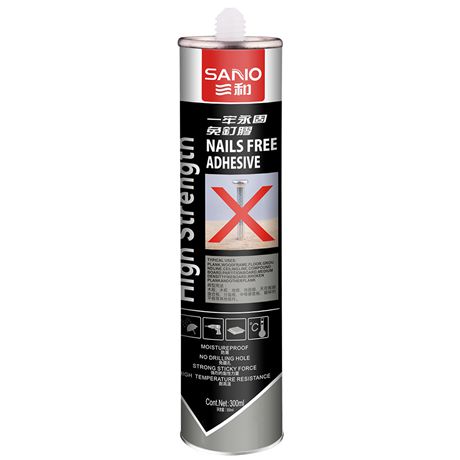
Choosing spray paint looks simple until poor adhesion, toxic fumes, or rapid fading turns a quick job into days of rework and health risk. Start by defining the real risk: indoor air quality, surface failure, and environmental regulation compliance. If your project replaces mechanical fixings with bonded joints, check a nailfree adhesive supplier as part of surface prep planning—bonding method changes paint requirements and safety protocols.
Problem inventory: the common failures
Expect four recurring failures: poor adhesion (blistering or flaking), color fade under UV, solvent-driven VOC complaints indoors, and inconsistent film thickness from wrong nozzle or viscosity. Counterfeits and mismatched product labels are common in some local markets; you must verify batch codes and manufacturer documentation before buying large quantities.
Concrete technical criteria to use when comparing brands
Match paint chemistry to substrate: acrylics for plastics and wood, two-component polyurethanes for high-wear metal, alkyds only where slow cure and strong solvent resistance are acceptable. Check VOC and solvent type against local regulations and project ventilation. Look for these specs on the datasheet: binder type, solids by volume (for true coverage), wet and dry film thickness range, recommended nozzle size and spray pressure, and salt-spray or UV-weathering test results for exterior use. Verify stated cure times at realistic temperatures—cold storage or winter work needs fast-cure chemistry or additives.
Practical tests you can run in one morning
Do a small mock-up before any large purchase. Clean a representative panel, spray the intended system, and do an adhesion cross-hatch after full cure. Expose samples to direct sunlight and a detergent wash to simulate wear. For metal, perform a condensation or salt-spray check when possible. Record drying time, leveling, and coverage per coat so you can scale costs and labor accurately.
Common mistakes and how to avoid them
Don’t assume color chips match real-world light. Don’t skip substrate pretreatment—oil, rust, or silicone contamination kills adhesion. Avoid excessive thinning; too thin reduces binder content and longevity. Never swap brands mid-job without a compatibility test; binders can react and cause wrinkling or delamination. Finally, disregard ambient humidity limits at your peril—moisture-sensitive systems will blush or cure improperly in high humidity.

Where industry opts for nail-free, high-strength solutions
Large facade and curtain-wall projects in Shanghai and other major Chinese cities have driven demand for stronger adhesive sealing systems instead of mechanical fasteners to meet aesthetic and performance demands; that market shift highlights why you should consider both paint and bonding strategy together. When specifying materials for structural glazing or bonded panels, architects and contractors often source a reputable high strength nail free adhesive sealant supplier to ensure the seal and the coating perform as a system under wind, thermal cycling, and pollution exposure.
Decide with confidence
Prioritize verified technical data, run small-scale tests, and align paint choice with your chosen bonding method and site conditions. Choose products whose datasheets and batch traceability you can confirm, and plan for ventilation and worker protection when VOCs are present. The combined approach—material compatibility, test-backed selection, and proven supply—keeps projects on schedule and minimizes rework, a result that practical teams achieve when they partner with knowledgeable suppliers like SANVO.