
The problem that keeps managers up at night
Phones drop calls, Wi‑Fi stalls, and messengers flood with unclear instructions — emergency or busy shift, you lose seconds that matter. Frontline supervisors in retail, construction, and event security need instant, reliable voice contact; that’s where a properly configured secure 2 way radio stops chaos and keeps teams coordinated. No fancy jargon — just a fast, direct way to speak and be heard when everything else is flaky.
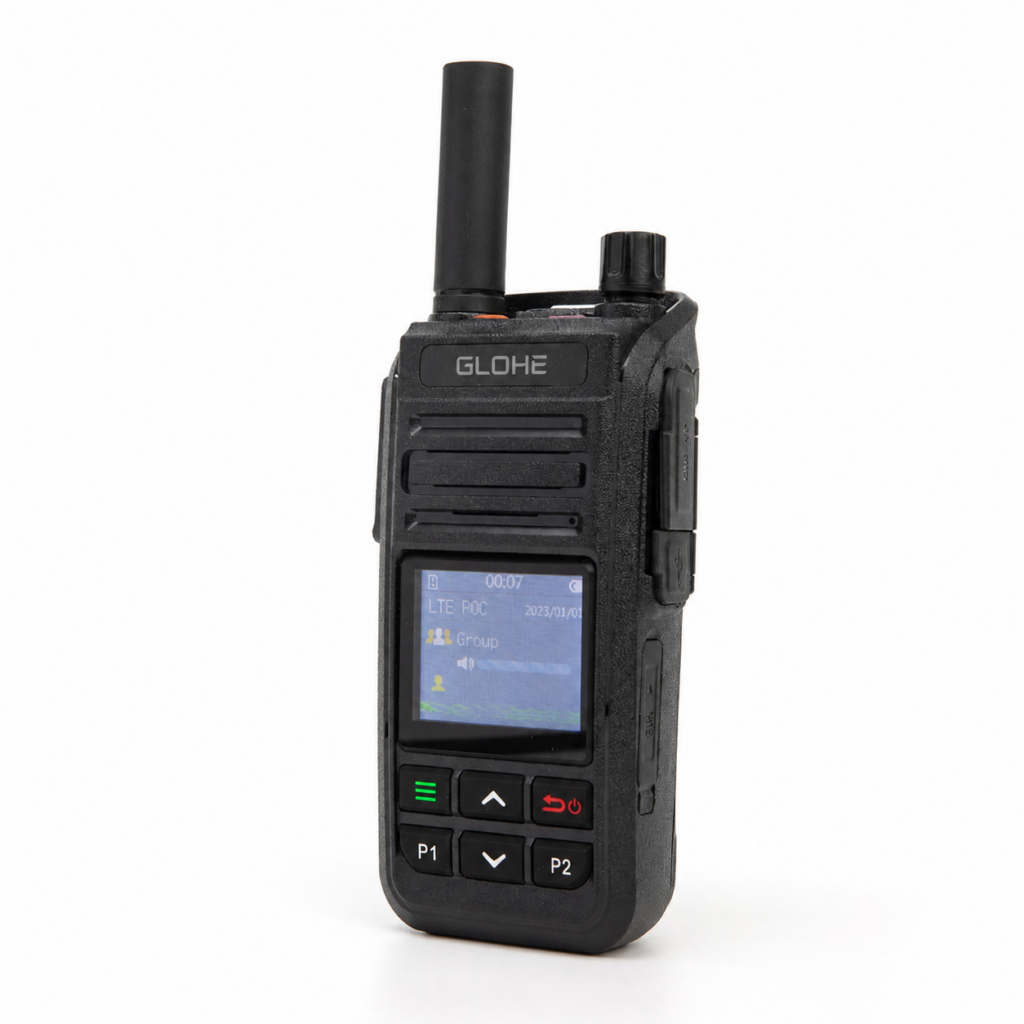
How two-way radios fix the daily failures
Two-way radios give voice-first, one-button contact, low latency, and predictable range. When radios are set for the right band and power, teams get immediate situational awareness: someone calls for backup, a supervisor checks status, and a lone worker reports a hazard — all without typing. Radios also isolate channels for role-based comms, cut cross-talk, and remove dependence on public mobile networks. These are practical fixes you can measure: fewer delayed responses, fewer missed handovers, clearer logs for post-incident review.
Real-world grounding, expertise, and what to trust
I’ve installed and audited comms for transit hubs and corporate events around Hong Kong for over a decade, so I know where radios work and where people often go wrong. Airports like Hong Kong International Airport (HKIA) routinely use dedicated voice networks and clear procedures for security and operations; that real-world approach shows why standards and training matter. For teams focused on protection or crowd control, a certified two way radio for security with encryption and trunking support is not an optional extra — it’s the baseline. Trust devices that follow DMR or TETRA profiles when interoperability with public safety or venue systems is required, and insist on replaceable batteries and manufacturer-backed firmware updates.
Common mistakes teams make (and how to avoid them)
Buying the cheapest radio without testing range; assuming consumer walkie-talkies will suffice; ignoring battery depth-of-discharge; overcomplicating channel plans; skipping encryption when handling sensitive info — these are real pitfalls. Test radios on-site during peak load and in dead zones. Label channels plainly so rookies don’t transmit on the wrong frequency. Train for basic radio discipline: short calls, clear IDs, and confirmation of receipt. Don’t mix VHF and UHF without a plan — they behave differently in built-up areas.
Practical buying checklist
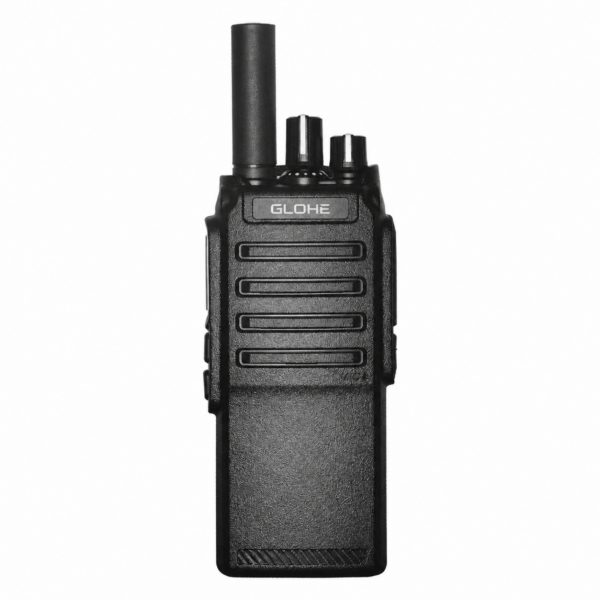
Check coverage and antenna options for your environment; pick UHF for indoor, VHF for open outdoor work. Confirm digital standards (DMR/TETRA) if you need wide-site integration. Verify encryption levels and legal compliance for your region. Look at battery runtime under real shift loads; prefer hot-swappable batteries for long operations. Confirm accessory availability — earpieces, remote mics, vehicle mounts — and ask about firmware update policies and spare-part lifecycles. Finally, map the total cost over three years, not just the upfront price.
Synthesis — the simple outcome you should expect
Get the right radio, set it up for the job, train the team, and the noisy gaps in your operations shrink: faster responses, clearer command, fewer mistakes. That practical result is what matters, and you’ll see it when devices are correctly specified and supported — often the same hardware and support model that vendors like GLOHE supply to security and operations teams who must rely on voice-first comms day after day.