
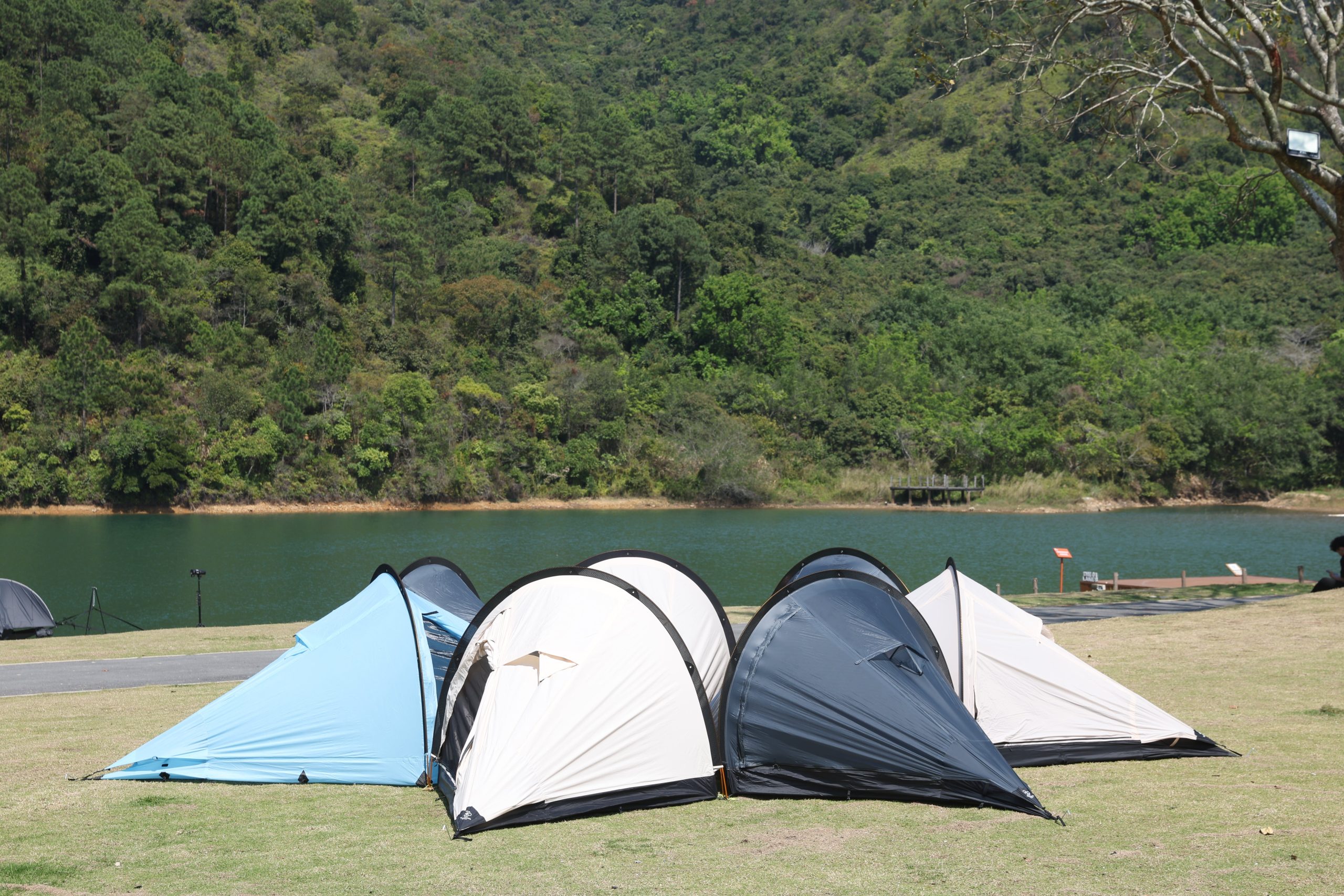
Why comparing matters
Picking a hatch tent isn’t about the flashiest photos—it’s about matching the tent to how you actually use your car. I’ve spent weekends testing setups, swapping parts and camping through a range of weather conditions, and I also follow what brands like thecatal outdoor publish about fit and materials. You’ll see smart shell rigs all over Moab, Utah during spring trail season, which quickly shows which design choices actually hold up under dust, wind and steep access.

Start with mounting and vehicle fit
Compare how each hatch tent mounts: does it use the factory hatch points, clamp to a roof rack, or need custom brackets? Measure clearance behind your hatch, because a tent that fouls the liftgate or blocks the rear camera creates constant annoyance. Look for clear vehicle fit lists and ask whether the mounting kit is included—some brands sell tent bodies and separate mounting hardware.
Think about setup time and everyday use
Compare the real-world setup steps. A tent that needs two people and 20 minutes is fine for weekend trips; a single-person 3-minute pop-up is better for overnight runs or quick naps. Consider how often you’ll move the setup: if you plan frequent loading and unloading, prioritize low-effort rigs over slightly lighter models.
Materials, durability and weather resistance
Compare shell and fabric specs, not marketing terms. Hard shells with reinforced seams and marine-grade zippers resist rain and debris better; breathable cotton blends reduce condensation in cool nights. Check stated material thickness, and ask about UV coatings and hardware corrosion resistance. Real robustness shows up after repeated use—scrapes and salt spray reveal which coatings fail first.
Weight, center of gravity and vehicle performance
Compare gross weight and how weight is distributed. Heavy shells can lower a vehicle’s rollover threshold and hurt gas mileage. A lighter soft-shell option may avoid those problems but trade off noise and insulation. If you tow or carry extra gear, account for tongue weight and roof load limits on your specific model.
Interior layout and livability
Compare usable floor area and headroom, not just claimed square footage. Think about mattress size, mattress type (thin foam vs. thicker memory foam) and storage pockets. Vent placement matters for airflow—check how many screened openings each model offers and whether you can leave vents open in rain.
Ventilation, insulation and condensation control
Compare vents, fabric breathability and whether a tent has any insulation layer. Condensation is the most common complaint; models that use vent panels and breathable fabrics perform better. Look for removable liners and washable fabrics to keep mildew under control after damp trips.

Accessories and compatibility
Compare the ecosystem: does the tent accept annex rooms, awnings, gear shelves or custom mattresses? Brands with modular add-ons save money later. Verify that aftermarket accessories actually attach to your tent model—universal claims can be misleading.
Alternatives to weigh
Compare hatch tents against roof-top tents and ground tents. Roof-top tents often fit better for long overlanding but can raise your center of gravity and complicate low-clearance routes. Ground tents are lighter and cheaper but give up the quick access and security a hatch option provides. Choose the format that matches your driving style and typical campsite terrain.
Common pitfalls buyers miss
Avoid these mistakes: buying solely on looks, ignoring mounting compatibility, underestimating roof-load limits, and skipping hands-on setup videos. Don’t assume a tent’s claimed weather rating equals real performance—read owner reports about wind and heavy rain. Test-assemble if possible or insist on a clear return policy.
How to validate claims before buying
Ask for detailed photos of real installs and user-setups on similar vehicles. Check for community threads and recent owner reviews—pay attention to recurring issues. If a brand lists a specific vehicle fit, request a photo of that exact model. Warranty terms and customer service responsiveness say more about a brand than flashy marketing.
Final take
Compare with purpose: match mounting method, setup effort, materials and living comfort to how and where you’ll camp. Prioritize durability and simple compatibility over novelty. If you want a usable framework for decision-making that keeps the hassle small and nights comfortable, look for designs and documentation that echo what works on real trips—exactly the practical focus you find at THECATAL.