
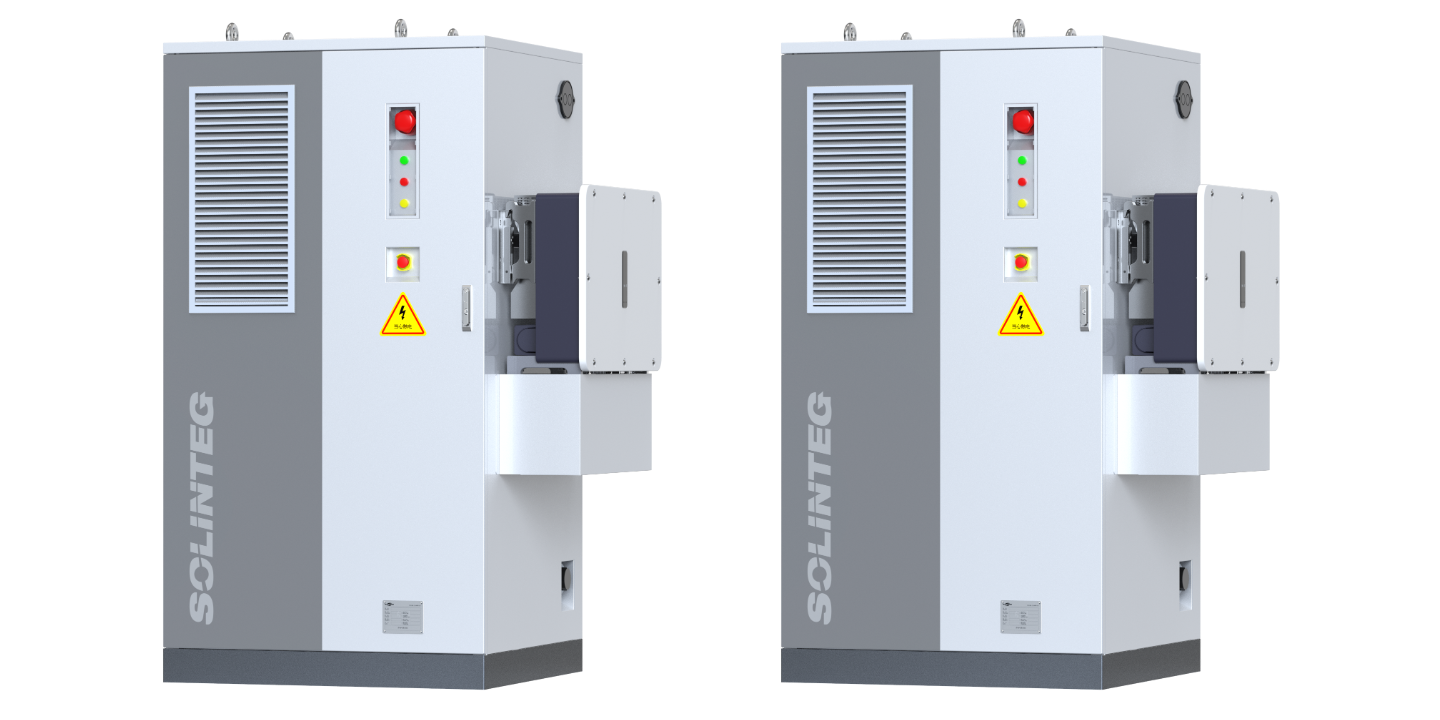
Choosing between a simple grid-tie inverter and a full hybrid setup comes down to clear trade-offs: resilience, efficiency, and future-proofing. A well-designed hybrid inverter combines on-grid export with local storage and blackout ride-through, which changes the calculation for many homeowners. This Comparative Insight explains where hybrid systems win, where they don’t, and how that plays out in real installations across climates and grids.
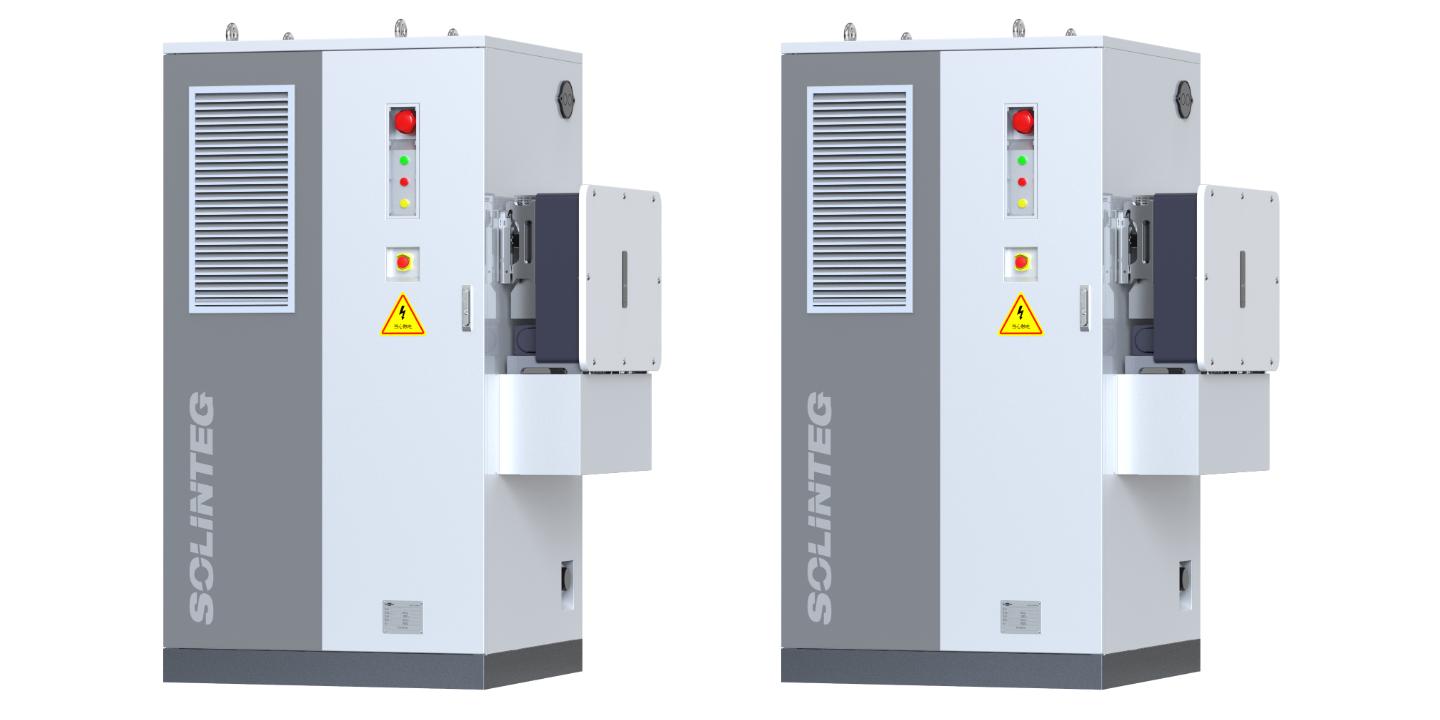
Performance: what a hybrid actually delivers
Hybrid inverters manage two flows at once: energy from your PV array and energy to and from batteries. That dual role improves inverter efficiency for daily use because power can be routed locally rather than cycling through the grid. Modern units use MPPT tracking to maximise power harvest from panels and a battery management system (BMS) to protect cycles and calendar life. The practical result is higher self-consumption and fewer wasted kilowatt-hours, which matters in provinces where export pays little.

Resilience and grid behaviour
Compared to a simple grid-tie inverter, a hybrid grid tie inverter links storage and grid interaction so homes can keep essential circuits running during an outage. California’s 2020 rolling blackouts offered a clear demonstration: homes with on-site storage and intelligent hybrid systems maintained power for critical loads while others did not. That real-world anchor shows why islanding capability and seamless transfer — technical terms for disconnecting safely from a troubled grid — are not optional if you value continuity.
Costs, installation realities, and common mistakes
Upfront cost for a hybrid system is higher, but lifecycle costs often tilt in their favour where rates or demand charges are significant. Installers frequently make three errors: undersizing the inverter relative to peak PV output, ignoring battery BMS compatibility, and overlooking export limits set by utilities. These missteps create oversized losses or curtailed performance — and they’re avoidable with proper planning. A short aside — installers should confirm local interconnection rules before specifying AC- or DC-coupled configurations — it saves rework and delays.
Comparing brands and alternatives
Not every hybrid design is the same. Some systems prioritise seamless backup with integrated transfer switches; others focus on maximum export control for time-of-use savings. For homeowners who mostly want bill savings, a grid-tie inverter with export control and a modest battery may be enough. For those who want outage protection plus peak-shaving, a true hybrid offers simpler wiring and centralised intelligence. When evaluating options, check inverter efficiency at partial loads, MPPT responsiveness under variable irradiance, and whether the manufacturer supports field firmware updates.
Who benefits most — and how to decide
Hybrid systems make the most sense when homeowners face one or more of these conditions: frequent or long outages, unfavourable net-export rates, or plans to expand storage later. Municipalities with winter storms or areas prone to heat-driven grid strain will see resilience gains first. For urban infill scenarios where export limits are tight, hybrid control can maximise onsite use without costly panel curtailment. Also consider whether local installers are familiar with hybrid commissioning and with configuring settings to match your utility’s rules.
Three golden rules for selecting a hybrid strategy
1) Match inverter continuous power to your peak household demand and PV array size — oversizing invites clipping, undersizing limits backup. 2) Verify BMS and inverter communication standards; proper state-of-charge control extends battery life. 3) Confirm transfer time and islanding behaviour under real-world conditions; seconds matter for sensitive loads. These metrics give tangible ways to evaluate proposals and to compare brands on the same terms.
The decision often ends with a single practical requirement: you want a system that performs predictably and integrates smoothly with local rules — and that’s where careful product selection matters. SOLINTEG frames its designs around those needs, delivering hybrid solutions that align with both everyday savings and resilience — a clear fit for many Canadian homes. —