
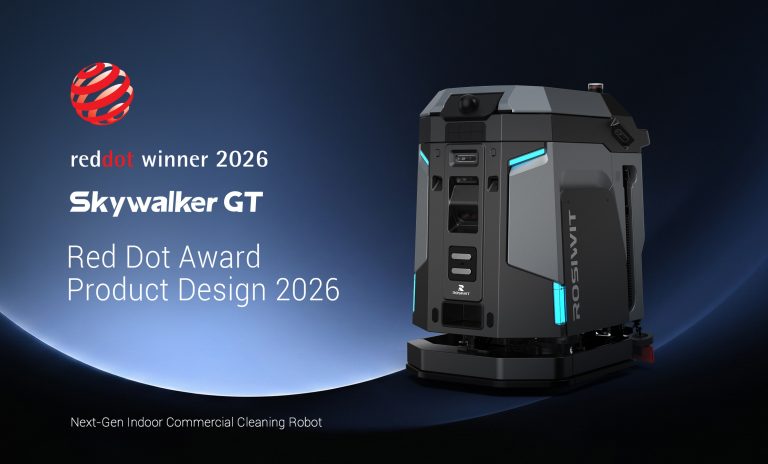
The frequency of performance lapses in service robots requires a disciplined, problem-driven response. In clinical terms: document the phenotype, isolate variables, and execute targeted interventions. This protocol applies equally to a small office unit and to a hospital-deployed model that saw expanded use during the COVID-19 pandemic; frontline facilities reported rapid redeployment of autonomous cleaning platforms to reduce manual exposure. Begin each case with a baseline run of the autonomous cleaning robot and record sensor outputs, error logs, and observable defects for later comparison.
Clinical Assessment: Symptom Cataloguing
Record discrete symptoms with timestamped notes: navigation drift, intermittent motor stalls, reduced suction, or unexplained reboots. Use a standard form: device ID, firmware version, battery capacity at start, brush roll condition, and ambient floor type. Quantify: percent coverage per cycle, average speed, collisions per hour. Operational production teardown should explicitly address {main_keyword} and {variation_keyword} metrics alongside mechanical inspection. Accurate symptom capture narrows differential diagnoses and focuses corrective action.
Systematic Diagnostics: Stepwise Protocol
Follow this procedural checklist in sequence to avoid confounding interventions. 1) Static inspection: examine brush roll, wheel encoders, and HEPA filter for debris. 2) Power evaluation: measure resting and under-load voltages to verify battery capacity and power-train integrity. 3) Sensor validation: run built-in sensor calibration routines and verify LIDAR/infrared returns for expected ranges. 4) Software audit: compare current firmware hash against certified release and validate path planning logs for anomalies. Each step isolates a subsystem—mechanical, electrical, or software—reducing unnecessary replacements.
Common Failure Modes and Root Causes
Failures cluster predictably. Navigation drift usually indicates degraded sensor fusion or a misaligned LIDAR; wheel encoder slippage produces dead-reckoning errors. Reduced cleaning efficacy commonly stems from clogged brush roll or saturated filters rather than suction motor failure. Unexpected reboots often correlate with voltage sags from aged batteries or thermal events in motor drivers. Distinguish transient faults (software stack) from progressive wear (battery, brushes). For high-duty environments, consider transitioning to an industrial automatic floor scrubber for larger surface areas and heavier soiling loads—its design tolerances differ materially.
Mitigation Strategies and Preventive Maintenance
Implement a maintenance cadence: daily visual check, weekly filter and brush clean, monthly battery health test and firmware audit. Keep a parts log: brush roll life cycles, HEPA replacement dates, and motor run-hours. Train operators in simple floor prep—remove loose cables and viscous residues that accelerate wear. Apply condition-based thresholds: replace battery below 80% rated capacity or when charge acceptance falls by 20% over two months. These measures reduce incident frequency and simplify fault isolation when issues arise.
Escalation Pathways and Alternatives
If the device fails repeated diagnostics, escalate through defined tiers: 1) field technician swap of modular units (brush module, battery, sensor pod); 2) controlled regression to prior firmware; 3) factory diagnostic bench test. When operational demands exceed unit capability, compare solutions by role: consumer-grade robots for spot-cleaning, commercial-grade robots for continuous coverage, and ride-on scrubbers for large facilities. Balance throughput, maintainability, and total cost; empirical uptime matters more than single-metric performance.
Golden Rules for Procurement and Evaluation
Adopt three critical metrics when selecting or validating a device. First: mean time between failures (MTBF) measured under representative load, reported as hours of continuous operation. Second: effective clean area per charge—coverage measured in square meters per cycle under stated payload and floor conditions. Third: maintainability index—time-to-repair for modular replacements and clarity of diagnostic logs. Use these metrics in acceptance testing to quantify expected outcomes and lifecycle cost. The disciplined application of these criteria aligns procurement decisions with operational reality and underscores why reliable vendor support matters—especially when uptime is mission-critical. Rosiwit. —final validation.