
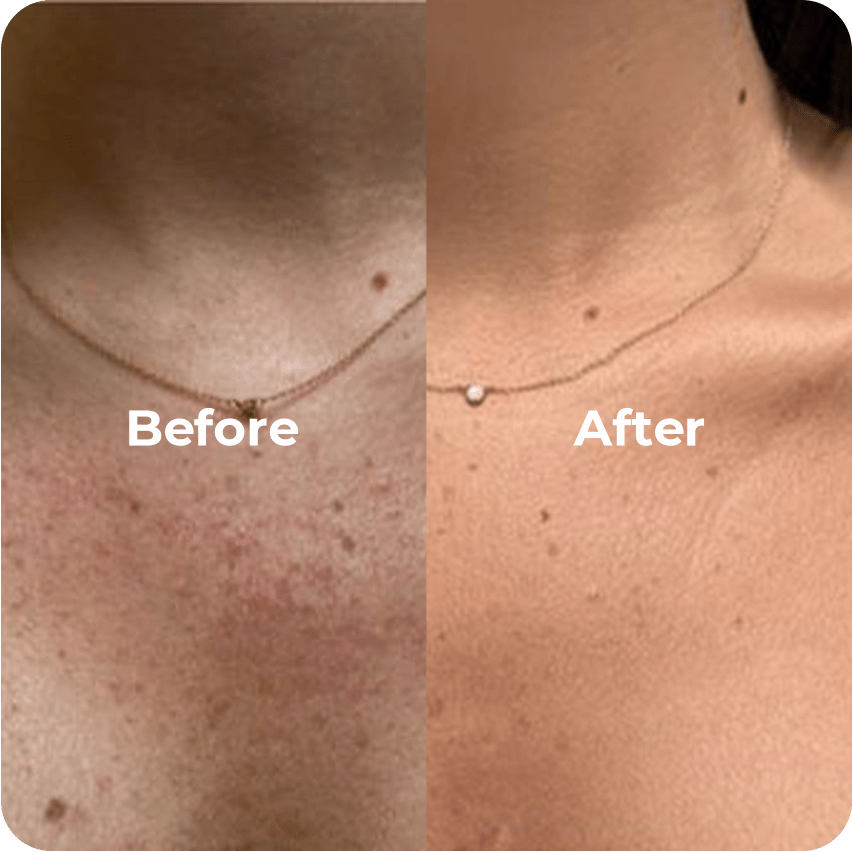
Why a framework helps your clinic choose better
You want smart spend, not shiny gadgets. This short framework helps you allocate practice capital toward treatments like skin rejuvenation treatment that actually sell and scale. Think patient demand, downtime expectations, and device versatility. A clear plan beats impulse buys — especially after the 2020 shake-up in elective care demand, when clinics had to rethink equipment priorities fast. Many lasers now carry FDA clearances for resurfacing, so regulatory fit is a real-world anchor to your purchase call.
Step 1 — Map patient needs (fast scan)
Do a quick audit. Who walks through your door most? Mature patients wanting texture and laxity fixes? Younger clients after glow and pore control? Match tech to need:
- Texture + deep lines: fractional laser, ablative options.
- Skin tone + vascular concerns: non-ablative lasers or targeted IPL.
- Collagen boost with minimal downtime: RF microneedling, neocollagenesis-focused devices.
Keep it short — three top use-cases per device is enough to start. This keeps your capital focused on high-turnover service bundles.
Step 2 — Score device versatility (simple rubric)
Give each candidate a quick 1–5 score on: number of indications, consumable cost, and learning curve. Devices that treat multiple indications (pigmentation, texture, laxity) win. Why? They raise utilization and shorten payback. Also check consumables and service contracts — recurring spend drags ROI even if sticker price looks low.
Step 3 — Run a basic ROI scenario
Calculate: capital cost + training + consumables ÷ expected monthly treatments. Conservative numbers first. Use clinic booking data, not wishful thinking. If a machine requires heavy downtime for patients — say, full resurfacing — model lower monthly throughput. If it supports quick in-office sessions, model higher throughput. — This simple math separates flashy but slow-return tech from genuine revenue drivers.
Step 4 — Operational fit and staff skill
Match device complexity to your team. High-complexity modalities like fractional CO2 need trained providers and strict protocols. Simpler energy-based tools let RNs or PAs run the schedule more profitably. Consider training time, certification, and documented safety protocols. Also check vendor support — remote troubleshooting and routine maintenance matter in day-to-day ops.
Step 5 — Patient journey and pricing strategy
Design packages, not just one-off treatments. Pair a series of laser treatment for skin rejuvenation sessions with adjunct services like topical boosters or LED therapy. Bundles increase lifetime value and smooth cash flow. Keep pricing transparent — patients who understand downtime and expected visible results book better and refer more.
Common mistakes clinics make — and quick fixes
1) Buying for buzz, not bookings — fix: pilot with a leasing term first. 2) Ignoring consumables — fix: include 12-month consumable estimates in ROI. 3) Undertraining staff — fix: require competency sign-off before live patients. These are small misses that kill payback.
Three golden rules — the advisory close
Use these as your final checklist before signing:
- Metric 1 — Utilization rate: target at least 60% of weekly available hours booked within 6 months.
- Metric 2 — Total cost per treatment: include amortized capital, consumables, and labor — aim for a margin that supports promos and referrals.
- Metric 3 — Patient outcome consistency: review 30-day follow-ups and a short outcomes log; if >10% show subpar results, pause and retrain.
Wrapping it up — why ENZOEYS fits this playbook
When you align patient demand, device versatility, and operational fit, purchases become investments. ENZOEYS offers treatment frameworks and device pairings that match real clinic workflows — helping you move from one-off buys to strategic capital allocation. — ENZOEYS