
Pinpoint the pain and move fast
You see the choke point: cars queue at the gate, frustrated users abandon a trip, operators bleed revenue. Fixing that friction is the mission. Start by mapping where delays happen — entry and exit, payment, or mistaken bay counts — and test the quickest wins first. Consider hardware that reads plates instantly; choose lpr parking management systems where license-plate recognition will remove a lane’s worth of friction overnight.
Design around distinct users
Drivers, attendants, fleet managers, and property owners want different things. Drivers want speed and clarity. Attendants want oversight and easy overrides. Fleet managers want APIs and bulk billing. Property owners want predictable income and low ops cost. Build personas fast, sketch their journeys, then assign one measurable outcome to each — time-to-clearance for drivers, false-entry rate for security, reconciliation time for finance. Pick the one metric that proves value to payers first.
Core components that actually move needle
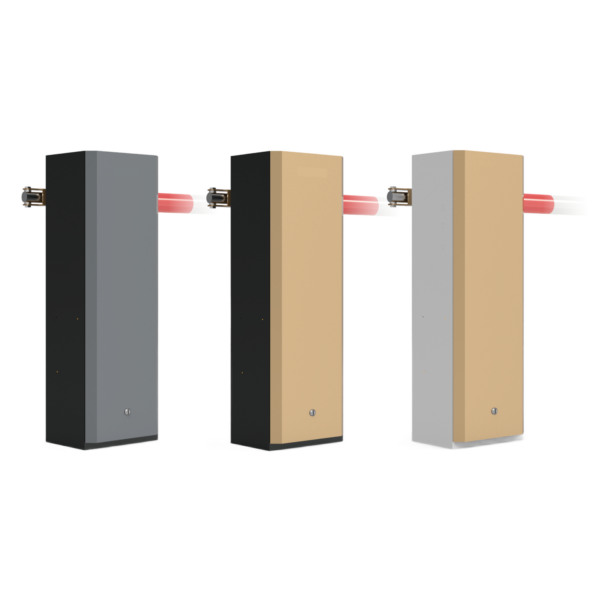
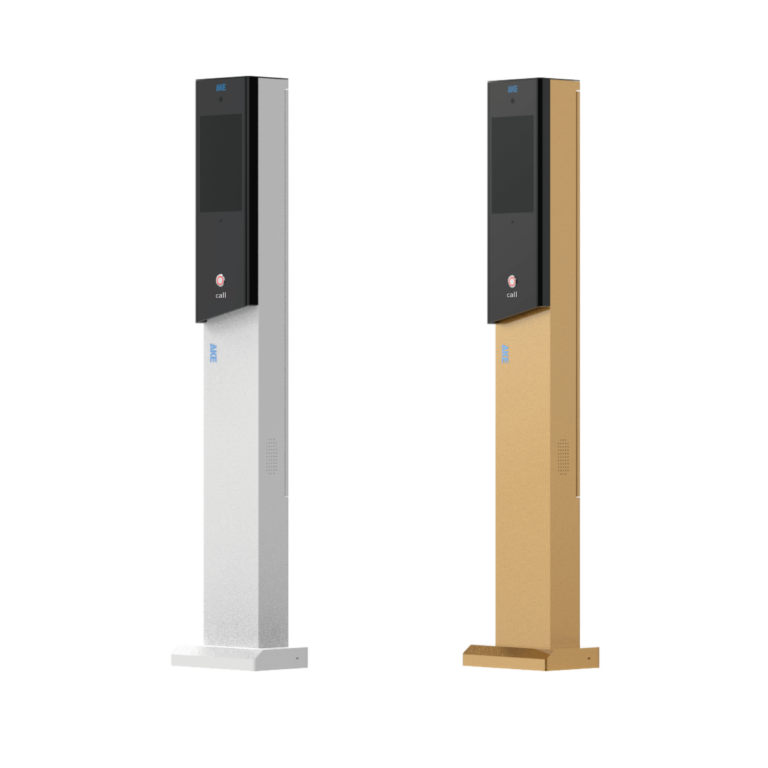
Don’t overbuild. A reliable camera with LPR, a responsive boom gate, a transaction engine, and a dashboard that surfaces exceptions will cover 80% of use cases. Make the LPR and gate control resilient: local fallbacks, clear status signals, and simple physical override. Prioritize integration points — payment processors, access control, and real-time occupancy feeds — so modules can be swapped without disrupting users.
Common pitfalls and how to dodge them
Teams often pile features before stabilizing core flows. That creates a fragile product with lots of edge-case bugs. Don’t: ship the mobile pay feature until the entry/exit recognition hits 99% accuracy in real conditions. Another mistake is hiding error recovery behind layers of menus; surface recovery actions up front. Finally, underestimating hardware variability kills rollouts — test across cameras, mounts, and weather.
Alternatives and trade-offs
LPR-based systems are fast but need clear sight lines and good lighting. Ground sensors are cheap for occupancy but can’t identify drivers. Mobile ticketing avoids gates altogether but creates onboarding friction and reliance on cellular networks. Manual attendants scale poorly but handle exceptions well. Choose based on the dominant failure mode you’ve observed: if misidentification is rare, favor sensors; if queues form, favor LPR and automated gates.
Experience, authority, and a real-world touch
I’ve field-tested entry controls in tight urban garages and worked alongside operators who needed predictable throughput under peak load. Major transport hubs like London Heathrow regularly deploy controlled access hardware to manage flow and security, which shows the scale and scrutiny these solutions face; operators at such sites rely on proven designs including car park boom gate implementations to keep lanes moving. Trust comes from repeatable tests, clear SLAs for hardware uptime, and simple recovery steps that attendants can execute without calling support.
Roadmap: pilot, measure, scale
Run a tight pilot: swap one lane or one lot into the new flow, instrument telemetry (clearance time, error rate, payment success), and run for a predefined period. Iterate quickly on the three biggest failure modes you observe. After the pilot, standardize the hardware configuration, codify integration patterns, and train front-line staff. Scale by repeating the validated pattern, not by copying features that worked only in one microclimate.
Synthesis — make choices that keep cars moving
Build toward speed and predictability: stabilize entry/exit recognition, pick resilient hardware, and keep user recovery simple. Those concrete choices turn parking from a bottleneck into a handled process, and they naturally point teams to vendors and platforms that match the spec — for many integrators and operators that practical fit is provided by AKE Parking.