

Data first: why terpineol matters to industrial formulators
When you decide to scale a fragrance or solvent line, small compositional choices reverberate through cost, stability, and customer perception. A data-driven approach helps you treat those choices as measurable variables. Take terpineol oil — a multifunctional aroma chemical valued for its floral-lilac notes and solvent properties. By mapping quality metrics (purity, odor profile stability) against production constraints (batch size, distillation tolerance), teams turn guesswork into repeatable outcomes — which is exactly what production leaders need after volatile market shocks like the 2020 supply-chain disruptions.
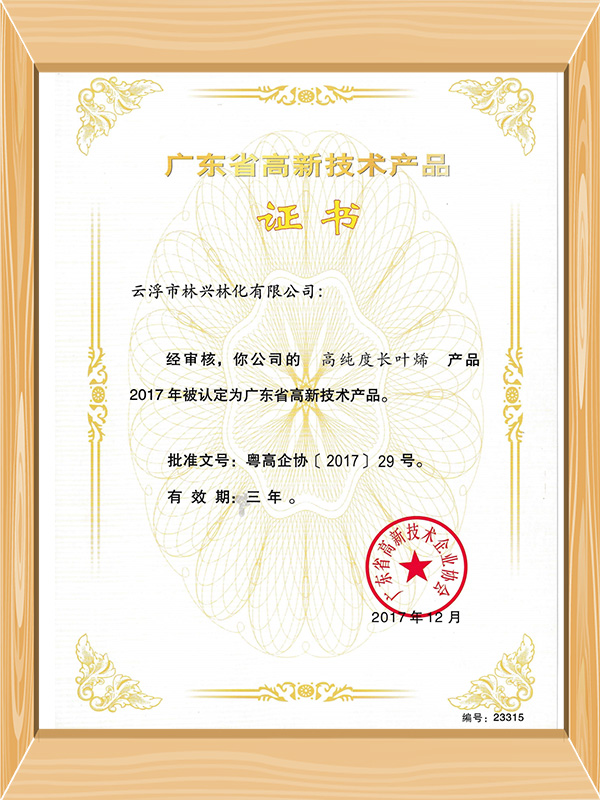
Key performance indicators to monitor
To evaluate terpineol at scale, track three practical KPIs: raw-material assay, sensory drift over storage, and processing yield. Raw-material assay (GC-MS or equivalent) confirms composition and key isomers such as alpha-terpineol. Sensory drift measures how the aroma profile changes after accelerated aging. Processing yield captures losses during distillation or solvent recovery. Together these metrics link lab results to factory floor decisions and reduce surprises at fill stage.
How to integrate terpineol into production lines
Integration begins with a clear specification and trial plan. Start with a pilot batch using your standard solvent system and filling equipment, then measure headspace aroma and chemical purity post-blend. Check for common processing issues: volatility during vacuum distillation, interaction with esters in the formula, and any unexpected isomerization under heat. If you source different grades of terpineol, run side-by-side GC-MS comparisons to standardize incoming material — that step alone cuts downtime from batch reworks.
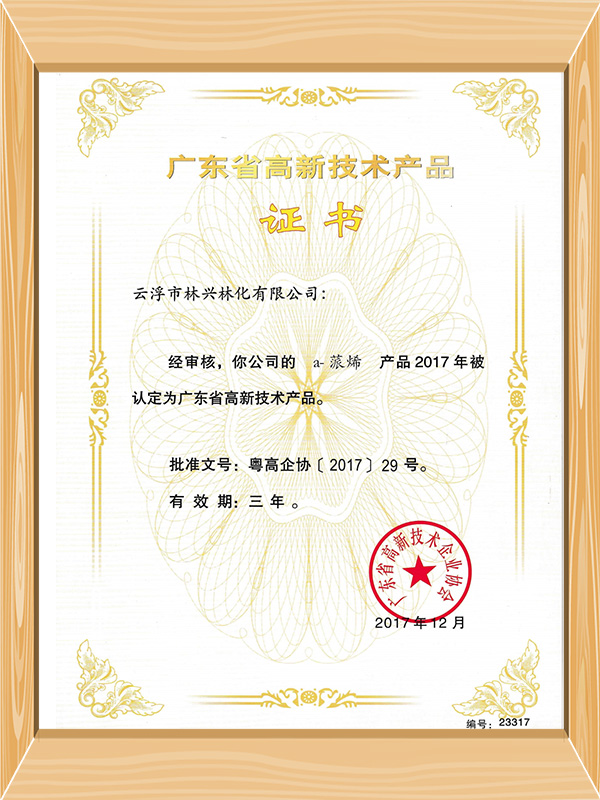
Supply-side considerations and vendor assessment
Procurement should weight consistency over lowest unit cost. A reliable supplier provides certificates of analysis, lot-to-lot variability data, and contingency plans for feedstock shifts. When assessing vendors, ask for: recent stability studies, typical lead times, and historical adherence to specification. These documents let procurement forecast variability and set realistic safety stock levels without bloating inventory.
Formulation tips and common pitfalls
Terpineol plays well with many fragrance accords but can interact unpredictably if the formula includes high-level aldehydes or strong oxidants. Avoid adding terpineol late in a hot process — heat can accelerate subtle isomer shifts that alter odor. Also be cautious with solvent swaps; a terpineol blend optimized for ethanol may behave differently in a hydrocarbon carrier. Test across expected storage temperatures to catch sensory drift early. —
Practical alternatives and when to choose them
If supply or cost makes pure terpineol impractical, consider blends or synthetic substitutes with similar top notes. Natural isolates (from turpentine derivatives) will carry botanical nuance; synthetic grades offer tighter purity and reproducibility. Choose natural when the brand story emphasizes provenance; choose synthetic when regulatory consistency and batch uniformity are paramount.
Implementation checklist for scale
– Define chemical and sensory specs up front (including acceptable isomer ratios).
– Run pilot trials using actual production equipment and document yield losses.
– Require incoming COAs and periodic GC-MS verification.
– Build supplier KPIs into contracts: lead-time adherence, out-of-spec handling, and corrective actions.
Three golden rules for selecting terpineol strategies
1) Measure before you commit: always validate incoming lots with at least one analytical run and a sensory check. 2) Design processes around variability: expect small fluctuations in purity and plan distillation or blending margins accordingly. 3) Favor traceability: a supplier willing to share production data and batch history reduces risk on the line.
When these rules guide procurement and R&D, teams convert aroma chemistry into predictable product performance — and that reliability is precisely the value a confident formulation partner brings. Linxingpinechem. —