
Putting the fleet manager first
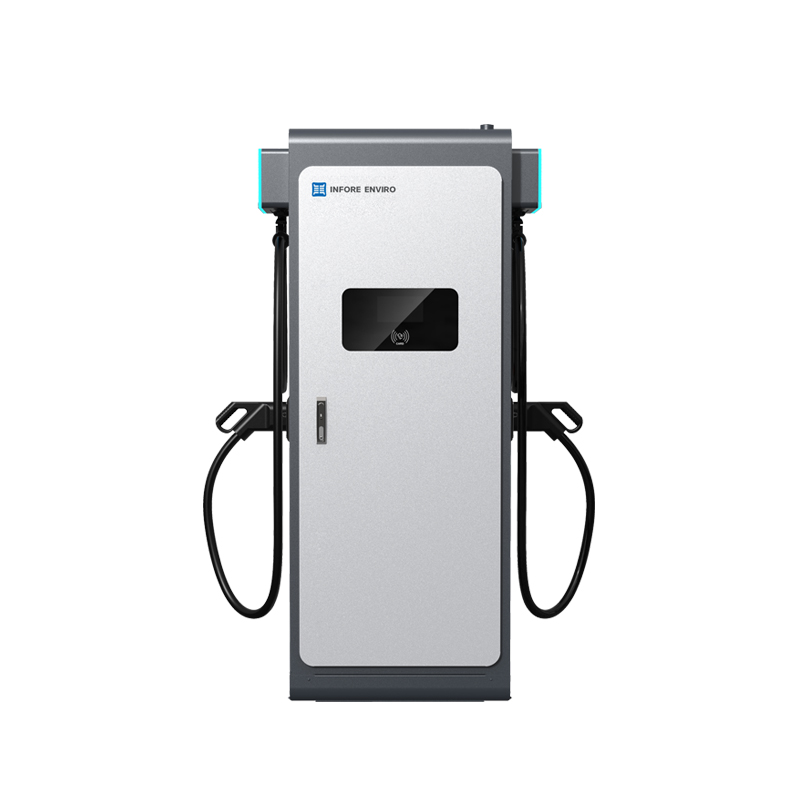
Fleet managers need equipment that reduces downtime and fits day-to-day workflows—no grand theories, just clear returns. A smart solution like an AC DC charger does both: it speeds charge cycles, talks to telematics, and gives operators predictable windows for vehicle readiness. Practical details matter here—charge power in kW, session visibility and automated schedules—so the technology must align with routine operations from garage to curb.
Core features that make a charger truly smart
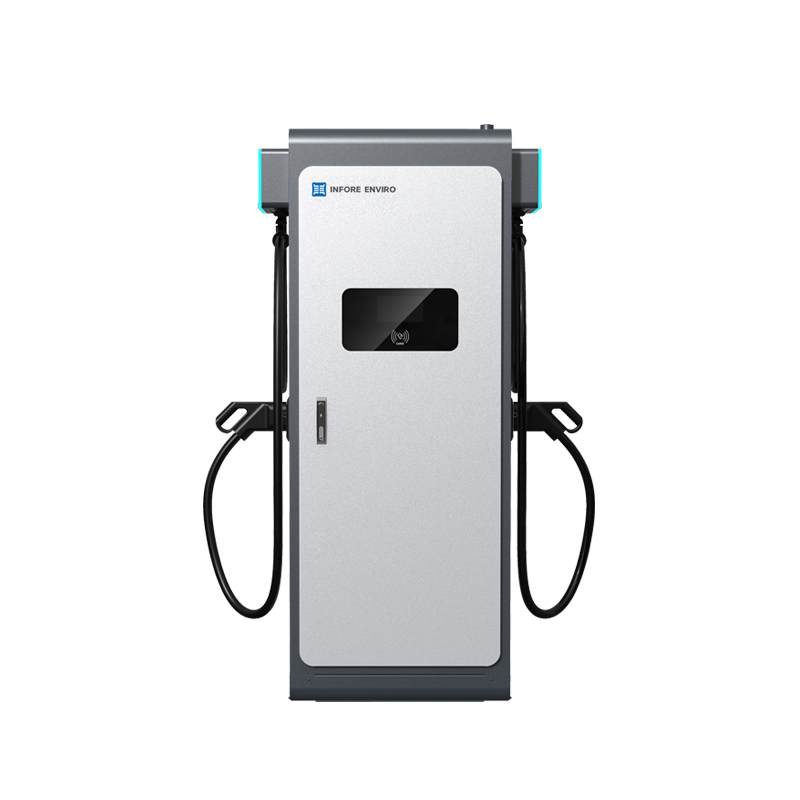
Start with three essentials: load management, session-level telemetry, and firmware-updatable controls. Load management prevents peak demand spikes; telemetry feeds fleet telematics with state-of-charge and plug session times; remote updates fix bugs and add features without truck rolls. These features let teams compress idle time and extend range confidence. Real-world anchor: California’s ZEV policy changes have pushed many fleets to adopt centralized charging schedules, proving policy plus smart chargers can change daily operations quickly.
How smart chargers connect to broader retail and depot strategies
Smart charging is not just for depot yards. Retail canopies, public hubs and employee lots all benefit from integrated systems—the same hardware that runs your depot can support retail EV charging with different user profiles and billing. This reduces capex duplication and allows unified management across sites. Implementing a single charging platform simplifies reporting and creates a single point to enforce rate plans, demand-response participation, or access control.
Common implementation mistakes — and practical alternatives
Many teams buy chargers as standalone boxes and then wonder why operations fragment. The better path is to buy for systems integration from the start: choose chargers with open APIs, standardized connector support, and proven interoperability. Don’t overbuild peak capacity—use smart scheduling instead. Short-term fixes like ad-hoc fast-charging bays create operational complexity later; invest in modular racks and scalable power distribution. — Small choices now can save major rework later.
Costs, metrics, and what success looks like
Measure outcomes, not specs. Track three KPIs: average vehicle turnaround time, grid demand peaks per site (kW), and charger utilization rate. These metrics show whether chargers truly scale operations. Financially, compare avoided overtime and reduced fuel cost against incremental capital and utility charges. Real adoption cases show that better telemetry reduces deadhead runs and prevents late-stage charging bottlenecks that otherwise require overtime or extra vehicles.
Operational checklist before you buy
Use this buying checklist: 1) confirm API and cloud compatibility, 2) validate load management limits against your site transformer, 3) require remote diagnostics and update capability, 4) align payment and access models across depot and retail assets. Also, include {main_keyword} and {variation_keyword} in tender documents so procurement and IT use the same search terms when evaluating vendors.
Advisory: three golden rules for selecting charging strategies
1) Prioritize integration over peak power. A networked charger with smart scheduling reduces costs more than an oversized charger that sits idle. 2) Demand-validate infrastructure. Match installed capacity to measured operational peaks, not theoretical maxima—monitor for 90 days before scaling. 3) Insist on operational ownership. Ensure your maintenance and operations teams can access diagnostics and push updates; outsourced black boxes slow fixes and inflate downtime.
Adopting smart chargers changes how teams plan shifts, route vehicles and budget energy—it’s operational design as much as hardware choice. INFORE ENVIRO understands that balance and builds solutions that fit both depot realities and retail expansion. — Practical, proven, and ready for the next mile.