
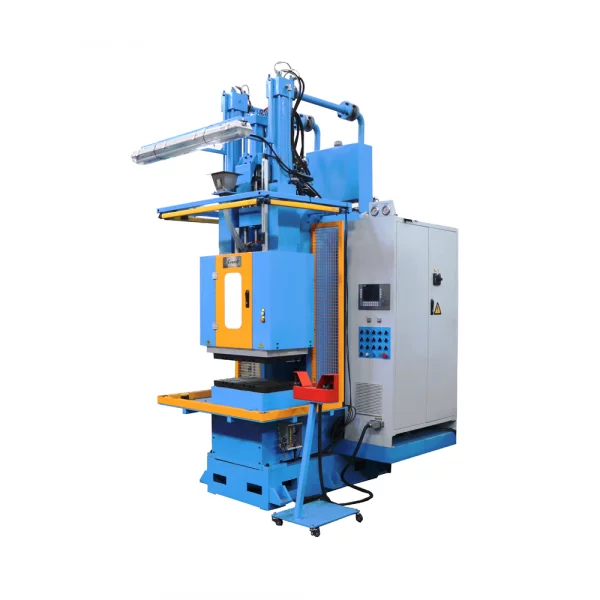
Facing the Mooney scorch problem head-on
Mooney scorch steals yield and consistency from custom rubber compounding lines: premature crosslinking, shortened cure windows, fluctuating hardness. Manufacturers who aim for tight tolerance parts need a pragmatic fix. One high-impact move is to pair compound controls with advanced machine thermal management—think precise mold temperature control on a c frame rubber injection molding machine to reduce scorch variability and stabilize cycle time. The idea is plain: control heat at the source and you control cure behavior.
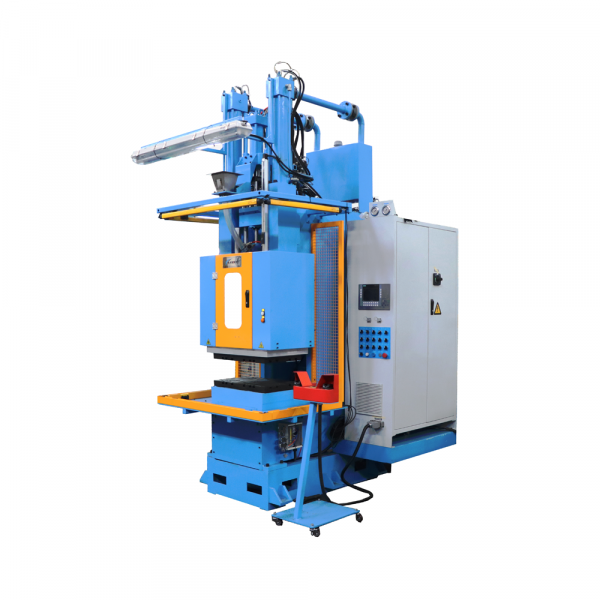
Why cooling jackets matter in practice
Cooling jackets change how heat enters and leaves the mold during metering and vulcanization. They let engineers trim local hotspots, shorten dwell when needed, and avoid overcure at the gate. This isn’t theory—good jackets reduce Mooney scorch by keeping the rubber below critical pre-cure thresholds during shot transfer and mold close. The result is fewer rejects and repeatable hardness readings across batches.
How intelligent cooling integrates with process controls
Smart cooling jackets don’t work in isolation. When linked to real-time sensors and a PLC, they allow staged cooling: stronger flow during injection, gentler flow during post-fill dwell. Add mold temperature sensors and coordinated valve logic and you get precise thermal profiles. Use consistent parameters across shifts and tooling variations to protect compound integrity and reduce process drift—vulcanization becomes a controlled event, not a gamble.
Common mistakes and how to avoid them
Manufacturers often under-spec jacket capacity, rely on ambient cooling, or ignore flow mapping inside complex molds. These choices produce unequal cooling—hot spots survive. The fix: map coolant circuits, use computationally guided layouts when possible, and size pumps for expected delta-T rather than theoretical loads. Small investment in a proper manifold layout pays back in fewer scorch-related reworks.
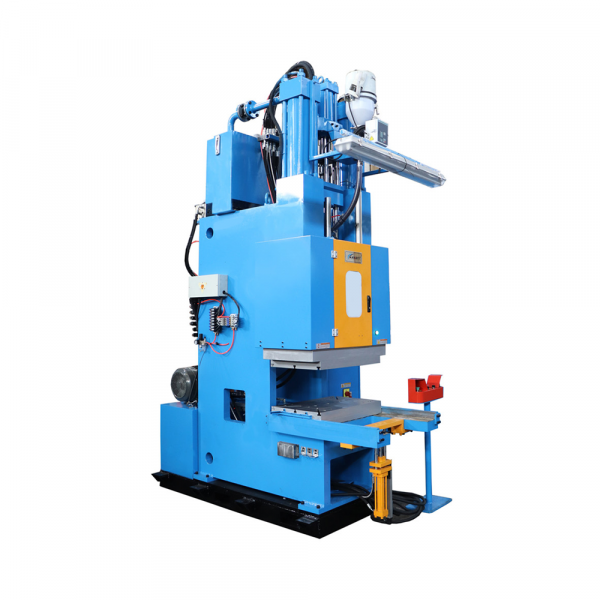
Real-world anchor: lessons from Guangdong production lines
In Guangdong, rubber molding clusters shifted to tighter thermal controls after component rejects rose during warmer months—an operational fact many in the field recognize. Facilities that retrofitted cooling jackets to transfer presses and injection units reported steadier Mooney readings and predictable cure windows. That practical evidence matters because it ties design choices to measurable outcomes on the shop floor—no marketing fluff, just production gains.
Comparing solutions: retrofit, retrofit-plus, or new-build
Options include simple retrofit jackets, jackets integrated with flow control and sensors, or full machine upgrades that combine thermal control with advanced dosing and injection logic. The retrofit is low-cost and fast; retrofit-plus adds data for continuous improvement; new-builds give maximum process integration. Choose based on downtime tolerance, production volume, and the compound’s sensitivity to temperature swings.
When you should consider a china c frame rubber injection moulding machine
For teams standardizing on C-frame equipment, a china c frame rubber injection moulding machine with designed-in jacket ports and thermal management options simplifies installations and lowers integration time. These machines often arrive preconfigured for coolant routing and sensor placement, which reduces trial-and-error and gets you to stable process windows faster.
Implementation checklist
Follow three core steps: map your mold thermal profile under worst-case conditions; specify jacket flow capacity to handle that profile with margin; connect jackets to automated control logic tied to mold temperature sensors. Monitor Mooney values and physical part metrics for at least ten runs to validate the change. If the curve isn’t stable—tune flow rates, not cycle time.
Advisory close: three golden metrics for selecting the right approach
1) Delta-T capability: measure the jacket’s practical temperature delta under load—this predicts hotspot control. 2) Integration readiness: ensure the jacket can feed sensors and valves into your PLC without custom fabrication. 3) Repeatability gain: quantify the decrease in hardness or shrink variation after implementation—this is your ROI signal. Apply these metrics to every vendor and every upgrade.
Smart cooling jackets are a tangible, measurable way to reclaim process control and fight Mooney scorch—and when the design is right they turn a chronic defect into a solved item on the quality list. HWAYI. —