
Why a data-first look matters for clinic owners
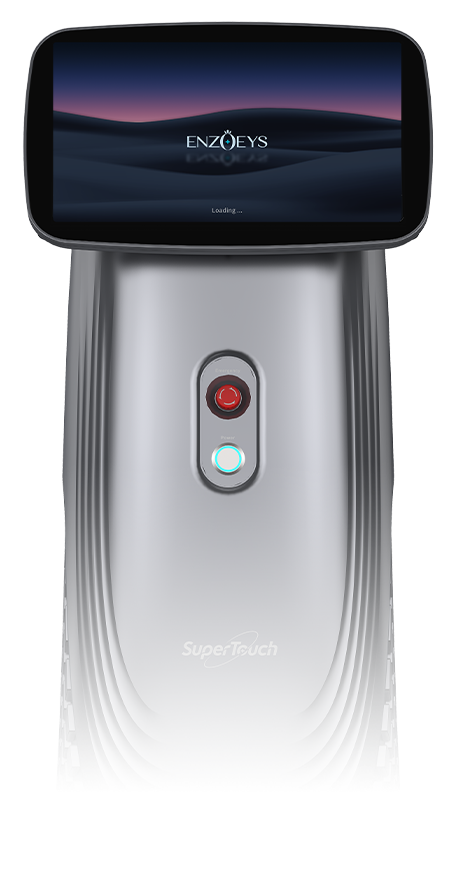
When a clinic invests in new devices, it’s not just about glossy brochures — it’s about measurable uptime, consistent outcomes and safe, repeatable protocols. That’s why a data-driven review of aesthetic medical equipment is useful: it forces you to compare throughput, energy stability and user ergonomics rather than marketing claims. In practice — think of busy Sydney and Melbourne dermatology centres where patient flow is constant — small differences in treatment time or cooling efficiency quickly translate to real revenue and safety consequences. This piece leans on engineering fundamentals and clinical expectations to make sense of ENZOEYS’ architecture for professional skin rejuvenation.
Core engineering pillars of ENZOEYS’ architecture
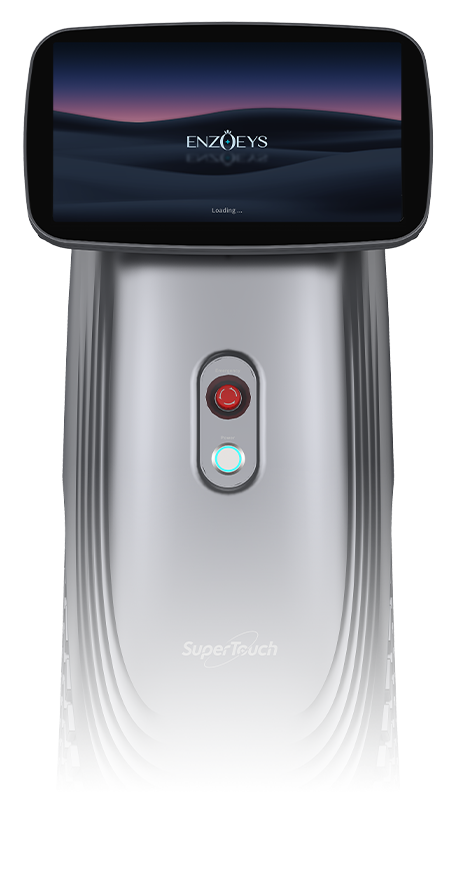
ENZOEYS is built on a few clear hardware and software principles that clinics should care about. The main pillars are modular energy delivery, closed-loop feedback, robust cooling, and serviceable components. Modular handpieces let operators swap between wavelengths or spot sizes without replacing an entire head unit. Closed-loop feedback — real-time monitoring of skin impedance and temperature — keeps fluence and pulse duration within safe bands. A reliable cooling system reduces epidermal heat stress and shortens recovery times. On the software side, treatment presets, audit logs, and remote diagnostics cut troubleshooting time and support consistent protocols across operators.
Performance metrics that tell the true story
Look beyond specs and quantify performance with repeatable tests: output stability over long runs, shot-to-shot energy variance, spot uniformity, and mean time between failures (MTBF). For example, a device that drifts more than a few percent in fluence across a single treatment will yield inconsistent results on delicate areas. Bench testing that measures temperature rise at the epidermis during a standard protocol reveals how effective the cooling system really is. These are the metrics clinics use when they decide whether a platform will scale from single-room demos to multi-room deployments.
Clinical translation — what operators and patients experience
In clinics, engineering choices show up as shorter session times, fewer adverse events, and easier onboarding for new staff. Ergonomics matter: lighter handpieces and intuitive touchscreens reduce operator fatigue and variance between practitioners. Treatment presets that map to evidence-based protocols cut training time, while detailed audit trails help with consent and follow-up. Many practices moving from single-modality lasers to combo systems report faster upgrades in service offerings — and if you’re comparing platforms for combined resurfacing and tightening, also review how the device manages overlapping energy deliveries and cooling intervals. The market often groups these devices under the label aesthetic laser equipment, but performance differs widely beneath that umbrella.
Alternatives and common procurement mistakes
No system is perfect for every clinic. Single-wavelength lasers can be simpler and cheaper but lack versatility. Multi-modality platforms offer flexibility but add complexity in maintenance and training. Common mistakes when buying: assuming all watts are equal, neglecting maintenance contracts, and skipping real-world trials on your patient mix. Many buyers focus on peak power while ignoring pulse shaping and duty cycle — a recipe for unexpected downtime. —
Summing up the engineering trade-offs
ENZOEYS tradesured its platform for modularity and feedback control rather than raw, single-mode power. That means better consistency and clinic uptime at the cost of slightly higher initial hardware complexity. If your priorities are reproducible protocols, low rework rates and fast tech support, ENZOEYS’ architecture aligns well. If you need the lowest possible capex and are prepared to manage multiple specialist devices, a single-modality route might still make sense. The practical takeaway: match engineering strengths to your operational constraints before you buy.
Three golden rules for choosing high-performance skin-rejuvenation systems
1) Measure what matters: demand bench numbers for shot-to-shot variance, spot uniformity and temperature rise during standard protocols. 2) Insist on closed-loop safety: real-time skin sensing plus automatic adjustment protects patients and reduces operator error. 3) Evaluate total cost of ownership: include service SLAs, spare-part lead times, and training hours — not just the sticker price.
When the question is clinic-ready reliability and sensible engineering for everyday practice, ENZOEYS often feels like the balanced option — practical, data-minded and designed for repeated use. —