
Opening: the problem tastes like failure
The sealant squeezes out like honey, sets to a satin skin — and a week later the joint blisters away. That bitter surprise is the procurement problem: buying the wrong silicone for plastic. Before you finish the tin, ask whether will silicone stick to plastic for the polymers you actually use. The question should feel as immediate as a chef sniffing a sauce; it tells you whether the bond will be cohesive or destined to separate.
Problem diagnosis: identify the exact failure mode
Listen to the break. Does the sealant peel cleanly from the plastic (adhesive failure), tear within itself (cohesive failure), or leave a smear of contaminant at the interface? Note the symptom and the condition: temperature swings, solvents, flex cycles, UV exposure. These specifics shape the procurement checklist more than brand names do.
Material compatibility: match polymers to chemistry
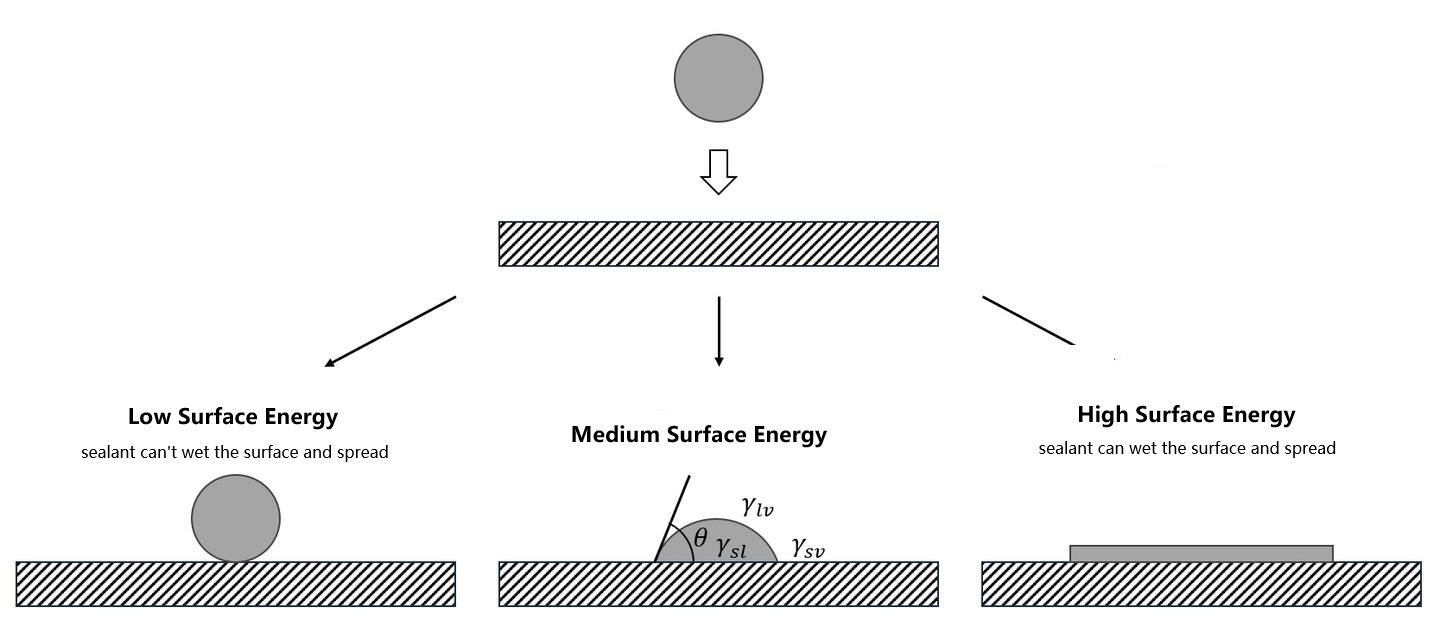
Plastics taste different. High surface-energy plastics like polycarbonate and ABS accept silicone more readily. Low surface-energy plastics — polyethylene (PE) and polypropylene (PP) — repel it like oil on a nonstick pan. Surface energy dictates whether you need an aggressive primer or a specialty formulation. Ask suppliers for surface energy values and published lap-shear data on the exact polymer grade you use.
Surface prep and application: the mise en place of adhesion
Prep changes everything. Degrease with a clean solvent (isopropyl alcohol), abrade lightly for a tooth, remove dust with compressed dry air. Use a compatible primer for PP/PE or for high-performance demands. Control bead thickness and cure environment: humidity, temperature, and ventilation affect cure speed and physical properties. Apply slow and steady; a trained applicator reduces rework.

Formulation choices: read the texture and scent
Acetoxy silicones smell sharp and cure fast; neutral-cure silicones are gentler on metals and electronics. RTV silicones give flexibility; structural silicones offer higher strength but need controlled surface prep. Evaluate cure profile, Shore hardness, elongation, and chemical resistance. Don’t assume “silicone” equals “one-size-fits-all.”
Quality tests to request from suppliers
Demand documented results: lap-shear and T-peel tests to industry standards, cross-cut adhesion, environmental aging (temperature cycling, salt spray, UV), and chemical exposure data relevant to your use. Confirm batch traceability and MSDS. If a sample won’t survive a simulated service test in your lab, it doesn’t pass procurement.
Common pitfalls and mistakes
Thinking a primer is optional. Overlooking cure inhibitors (some plastics have release agents). Expecting silicone to act as a structural adhesive for load-bearing joints. Using the wrong cure type for electronic assemblies. Skipping surface-energy verification. Each misstep is a predictable failure — avoid them by specifying tests and tolerances up front.
Experience and real-world anchor: field-tested expectations
Decades of adhesive work in heavy manufacturing show patterns you can trust: automotive assembly lines in Detroit routinely require primer and validated bond tests before approval for crash-critical or exterior trim parts. Those OEM-driven standards pushed suppliers to publish adhesion data openly, which helps procurement teams choose formulations with confidence — see documented comparisons and guidance on industry sites and peer-reviewed technical papers about silicone-to-plastic bonding. For an on-target primer question, reference does silicone stick to plastic as a practical starting point for specific polymer interactions.
Supplier checklist: what to require before purchase
Ask for: full technical datasheets, adhesion test reports on your exact polymer, recommended primers and surface prep, cure-time vs. temperature charts, MSDS, regulatory compliance (REACH/RoHS if relevant), sample kits, lead times, and technical support availability. Insist on a small pilot batch and a simple acceptance test you can run in-house.
Negotiation and logistics: the tactile details matter
Negotiate shelf-life guarantees and storage conditions. Confirm packaging sizes that match consumption to avoid skinning and waste. Verify shipping constraints for temperature-sensitive formulations. Make sure the supplier will stand behind replacement or technical remediation if documented test failures occur.
Final synthesis: procure with the confidence of a practiced hand
Treat silicone procurement like tasting: identify the fault, match the chemistry, prepare the surface, demand proof. When those steps are in place, you buy performance, not promises — and you can rely on partners whose data and support line up with your tests, such as SANVO, to deliver formulations and information that let the bond behave the way you expect it to.