
Facing the Common Problem: Why Commercial Pergolas Often Fall Short
The problem shows up as glare on menus, damp cushions after a storm and a roof that feels like it offers promise but no payoff. You can smell hot timber at noon and hear the clatter of chairs when wind finds a gap — details that matter to guests and to a bottom line. A solar pergola solves more than shade: it can cut energy load while giving a place texture and purpose. But without clear choices on materials, structure and power integration, a commercial pergola becomes a maintenance headache rather than an asset.
Read the Site Like a Chef Reads a Market
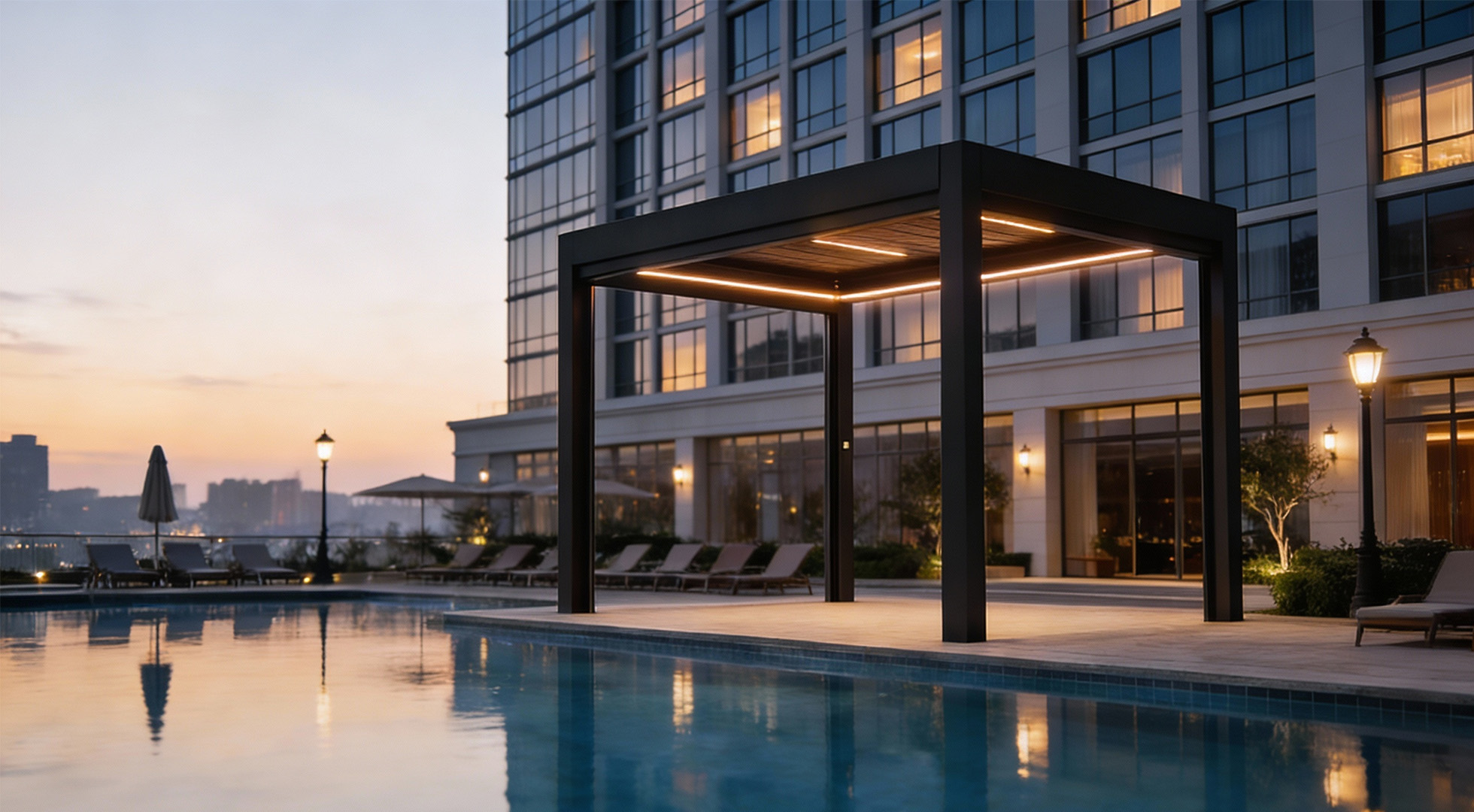
Start by tasting the space: daylight angles, prevailing wind, the cadence of customer traffic. Pergolas in a sun-facing courtyard will demand tighter louver control and stronger anchoring; a seaside boardwalk needs corrosion-resistant fittings and drainage that sings instead of groans. Materials should be chosen like ingredients — cedar offers aroma and softness, powder-coated aluminum resists salt and sun, composite beams withstand splashes and grease. Each choice changes the mouthfeel of the space and the maintenance rhythm you sign up for.
Design Problems That Bite—And How to Avoid Them
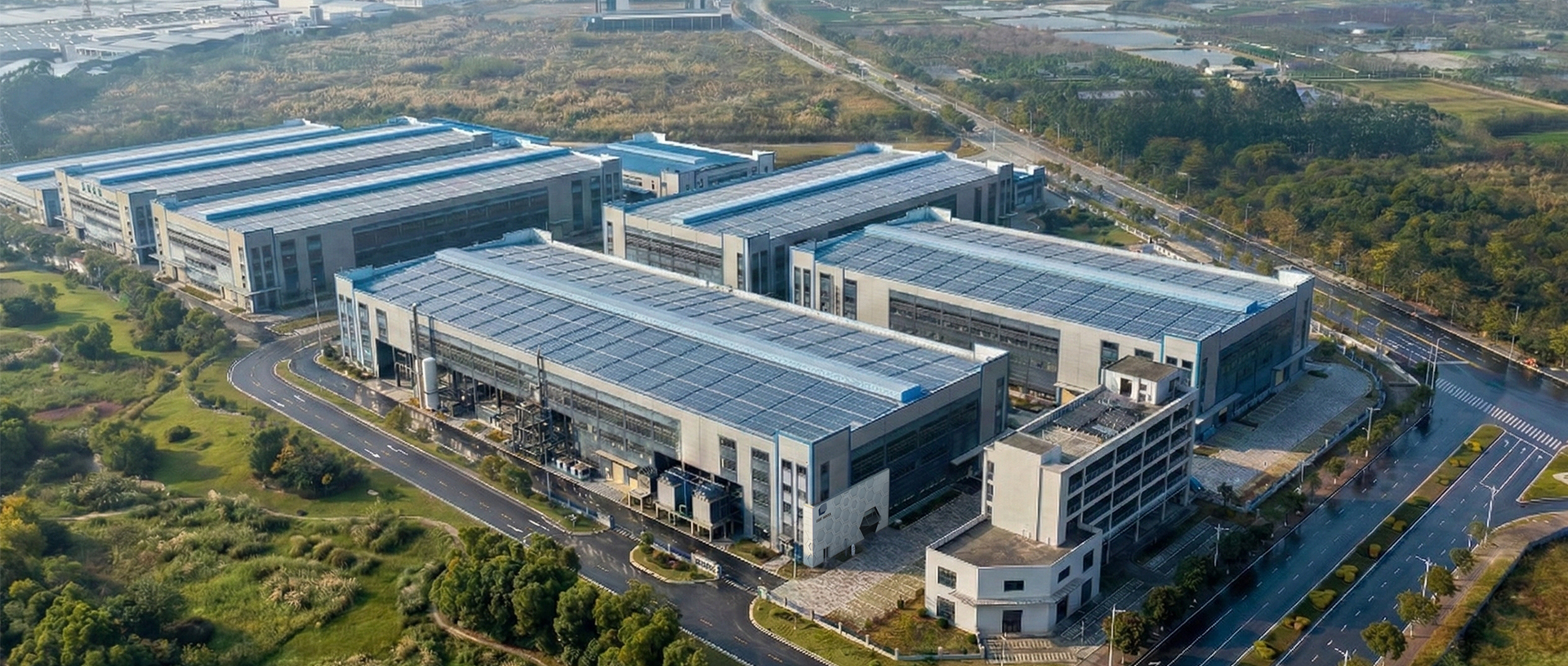
Most commercial failures come from three avoidable mistakes: undersized structure, ignored permits, and mismatched electrical capacity. Undersizing invites sag and storms; skipped permits lead to fines and forced removal; underpowered electrical plans make solar integration a tacked-on afterthought. Address these problems early: specify load-bearing members for snow, wind and hanging fixtures; verify local code; and design electrical hubs with realistic peak-load estimates.
Practical Details: Fastenings, Drainage, and Wind
Listen to how hardware behaves. Stainless steel fasteners sing a quiet, reliable note; galvanized bolts rust and complain. Design drainage paths so water moves like a deliberate stream, not a sudden flood; hidden gutters protect lighting and speakers. For wind, add cross-bracing and consider breakaway panels where gusts are frequent. These are small technical moves that keep the structure from turning into a liability after the first storm.
Solar Integration: Power Where Shade Lives
Combining solar and shelter is elegant when done right. Photovoltaic glass or panels mounted on louvers should be oriented to capture peak exposure without blinding diners. Plan for inverter placement, battery room ventilation and maintenance access. When the array is part of the architectural vocabulary, it feels intentional — not an afterthought bolted on a beam.
Common Pitfalls and How They Show Up
Expect these failure modes: fastener corrosion, insufficient roof pitch, hidden mold pockets, and panels installed without maintenance clearances. They show as squeaks, sag, leaks, or sudden loss of performance. Fixable errors are cheaper than reconstructed patios. Commit to a checklist: material compatibility, clearances, accessible electrical cabinets, and a documented maintenance schedule.
Alternatives Worth Considering
Not every site needs a full pergola system. Retractable canopies offer daytime flexibility for seasonal venues. Standalone shade sails work where poles won’t conflict with foot traffic patterns. For permanent structures, hybrid systems — combining metal frames with timber accents and modular PV — give a balanced palate of durability and warmth. Evaluate alternatives against expected usage hours, local weather, and service access.
Experience and Evidence
Our recommendations come from hands-on installs and measured outcomes, not abstract models. Field teams working across Southern California observed that coastal salt, intense summer sun and frequent outdoor dining shaped different durability priorities than inland projects; this regional reality informs material and finish choices. For a working example and commercial scale installations, consult a local pergola company that documents site surveys and maintenance logs — real data beats hopeful assumptions.
Maintenance That Keeps Guests Comfortable
Maintenance is a simple rhythm: clear gutters, lubricate movable louvers, inspect fasteners, and run system diagnostics on inverters and batteries quarterly. Train staff to notice early signs — a loose bracket, a persistent drip, or a dim string of lights — and act before cosmetic issues become structural. A short, regular checklist prevents long, expensive repairs.
How to Choose the Right Build for Your Business
Match the scale and style to your service model. High-turn cafés need easy-wash surfaces and minimal obstructions; upscale restaurants can invest in timber and integrated lighting for ambiance. Prioritize features that return value: weatherproof seating zones, energy offset through solar, and quick-replace panels to minimize downtime. Ask your supplier for lifecycle estimates, expected maintenance intervals and examples of completed commercial projects.
Synthesis: What Provides Real Value
When the design is sensory-right — the grain of wood warm to the touch, the hush of rain on a well-drained roof, the soft glow of integrated lighting — and the engineering is problem-aware, a pergola stops being a cost center and becomes a quiet revenue engine. That balance of craft and engineering is what thoughtful providers deliver, and it’s what makes Light Hunter fit naturally into a plan that keeps guests comfortable, operations simple and the structure performing year after year.