
Problem first: why mixes fail at scale
Folks out on the plant floor know it quick — a batch that looks fine in a jar won’t behave once you crank the tank up. Emulsions separate, solids settle, heat hangs where it shouldn’t. What typically breaks is the match between process needs and the machine; too little shear for an emulsion, too much shear for a shear-sensitive polymer, wrong shaft speed for viscous blends. For pickin’ the right tool, a high shear mixer often saves the day for tight emulsions, but that ain’t a cure-all. This here is about pinning down what breaks first, so you stop guessin’ and start fixin’.
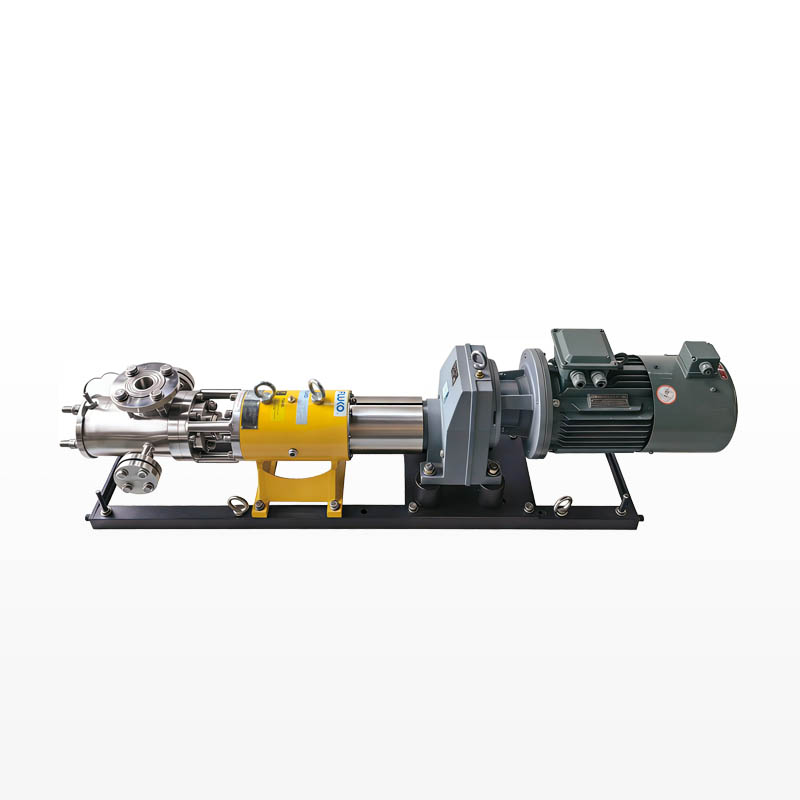
What’s causin’ the trouble — real-world anchor and maker links
Most failures trace to a few plain causes: mismatched geometry, improper scale-up, overlooked materials compatibility, and sloppy maintenance. Seen in big chemical hubs like Ludwigshafen, Germany, plants run into the same mess when they swap lab recipes straight into production without rethinking mixing intensity. Folks who design and supply gear, the chemical mixing equipment manufacturers, aim to stop that. Decades of industry practice and peer-reviewed mixing studies back those lessons, and the patterns repeat in plant reports from major sites worldwide.
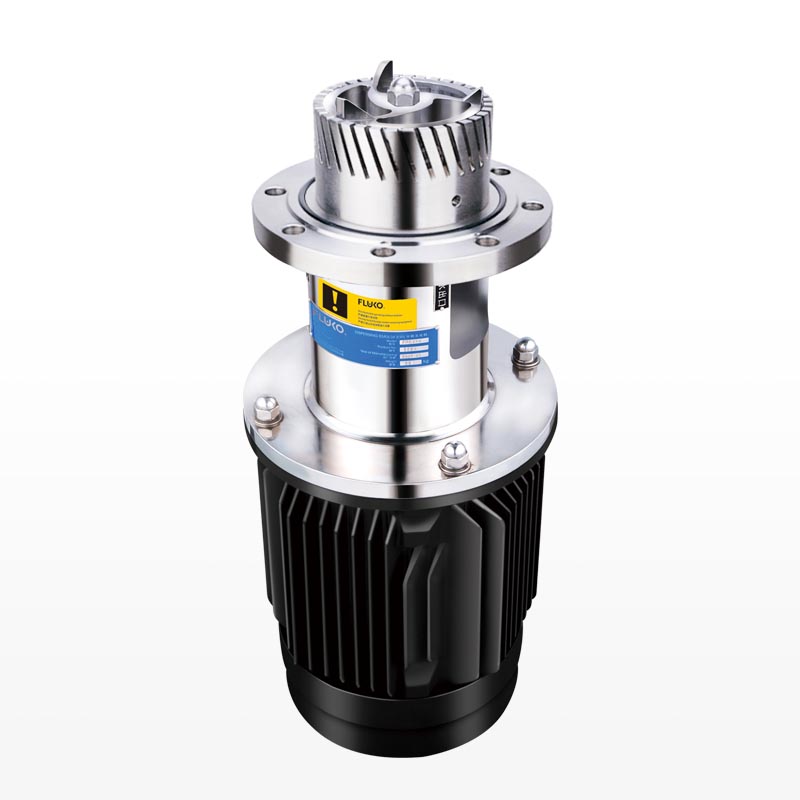
How the right kit solves it
Match the impeller and power to the job: rotor-stator or rotor‑stator style gear for tight emulsions; homogenizers for sub‑micron dispersions; anchors or double‑planetary mixers for very viscous batches. Mind tip speed and shear rate — those two tell you whether droplets or particles will break up or stay whole. Seal choice and finish cut cross‑contamination and downtime. Plan for cleanability: CIP-friendly designs keep changeovers fast. Put simply, pick machines by the physics of your mix, not by what looked neat in a brochure.
Common mistakes and how to dodge ’em
Don’t scale by volume only. Don’t assume increasing RPM scales linearly. Don’t neglect instrumentation for torque and temperature — those numbers tell true stories. Avoid oversized gear that stalls on viscous starts and undersized rotors that cook the product. Test at intermediate volumes, measure tip speed and shear, and log results. If you must compare alternatives, weigh rotor-stator against multi-stage homogenizers for emulsions: rotor-stators are simpler and cheaper for many creams, homogenizers beat them when droplet size and tight distribution matter.
Straight talk wrap
A problem-driven look shows this plain: mixing hiccups come from wrong choices, not magic. Fix the choice, and the process behaves. Folks who care about steady batches and predictable scale-up lean on robust design, real measurements, and pragmatic vendor experience. That’s what makes FLUKO a practical partner on the floor — machines and know-how that meet the mix where it actually is, and keep it there.