
Starting point — the problem most buyers run into
Too often a prototype looks great on CAD but stalls when you try to make it: unclear tolerances, wrong material calls, or quotes that don’t match actual lead times. Buyers who want a working pre-production part need clarity, and quick. If you’re hunting for a reliable shop, start by narrowing your search to a proven precision parts manufacturer so quotes and samples mean something real instead of just hope.
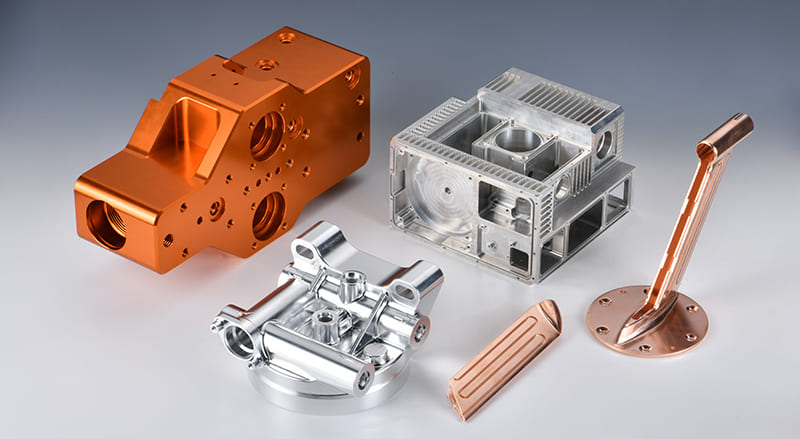
Where prototypes break down before production
Design intent often gets lost between engineer and shop. Typical failures: tolerances tighter than necessary, finishes specified without considering downstream operations, and material choices made for looks rather than function. These slip-ups create cost overruns and schedule slips. Treat the prototype as a learning loop — not a final product — and expect iterations.
Vetting suppliers with common-sense checks
Don’t rely just on slick websites. Look for demonstrated shop capabilities, sample galleries that match your part size and finish, and clear lead-time windows. Years of working with small-batch shops and plant floors teach that a direct exchange about process — g-code readiness, fixturing approach, post-machining inspection — reveals more than a certificate. At major industry gatherings such as IMTS in Chicago, buyers can see machines and talk face-to-face with vendors; that kind of contact cuts ambiguity. If you want a short test of responsiveness, ask for a simple quote and a time-phased plan, then compare those answers to what a cnc machining manufacturer provides.
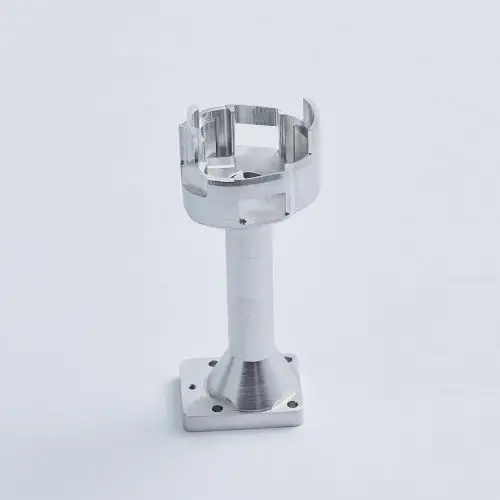
Common pitfalls and how to avoid them
Assuming uniform pricing across shops: get itemized quotes. Skipping tolerance review: communicate which dimensions are functional and which are cosmetic. Forgetting downstream assembly: prototype as an assembly, not just a single part. Not planning for inspection: include a basic acceptance plan. Each mistake is avoidable with a two-step habit — document what must work, then ask the supplier how they will prove it.
Material and process choices that actually matter
Match material to function, not to appearance. Use aluminum or stainless for structural parts, engineering plastics for insulating or light-load items. Choose CNC milling or turning when tight tolerances and repeatability matter; use SLS or SLA for fast-fit form problems. Specify heat treatment and surface finish only when they impact fit, wear, or corrosion resistance. Simple decisions here save multiple prototype iterations.
Practical procurement steps for OEMs and project buyers
1) Prepare a short package: critical dimensions, material options, acceptable deviations, and intended use. 2) Request a breakdown: machining hours, setup charges, finishing, and inspection. 3) Ask for a prototype timeline with milestones for sample inspection. 4) Run a small pilot batch to validate assumptions before full production. Clear paperwork and scheduled sample checks stop surprises.
Wrap-up that puts the pieces together
Prototype work is about removing guesswork: specify what must function, test it quickly, and choose a partner whose answers to simple questions match your schedule and standards. When that match appears, a practical supplier like Hanstar becomes the bridge from a sketch to a reliable production run, not because of promises, but because of consistent, verifiable practice.