
The question that begins the comparison
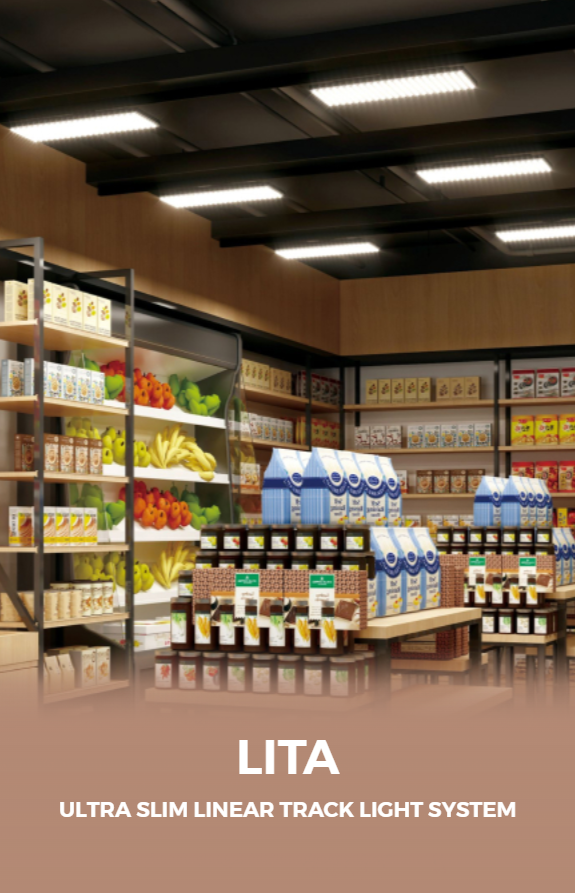
I set out to weigh contenders as if they were characters in a courtly tale, pitting flexible track systems against fixed fixtures, spot mosaics, and panel-born glows while keeping practical retail concerns at heart. My work with fixtures across storefronts and galleries led me to consult sources and prototypes of industrial lighting early in the process, and the discreet, directional nature of the track panel light often altered the balance of the debate.
The cast of luminaires — a compact comparison
Imagine four archetypes:- Flexible track: nimble, movable heads and adapters that let merchants sculpt light like a stage director.- Track panel light: broad, even fields meant for general illumination with easier glare control.- Spot/adjustable trackers: sharp accents for product drama at close range.- Linear ambient fixtures: ribbon-like washes suited to aisles and long displays.Each brings advantages. Flexible track wins on adaptability. Track panel light shines when uniformity and clean ceiling aesthetics matter. Spots create focal drama but demand choreography. Linears enforce order and rhythm.
Criteria that decide a winner
Compare by what matters to retail: visual hierarchy, color fidelity, maintenance, and total cost of ownership. I measure these in simple, comparable terms: CRI and R9 for true color, lumens per watt for operating economy, beam angle for spread, and mounting versatility for display changes. From my years specifying fixtures for boutiques and larger chains, adaptability, serviceability, and predictable spectral performance rise to the top every time.
Where flexible track outperforms — and where it does not
Flexible track shines when displays rotate rapidly. Reposition heads without an electrician, aim beams to highlight seasonal product, and create layered light with ease. But it can be visually cluttered if heads and adapters are overused, and wrong optics amplify glare. Track panel light offers cleaner ceilings and softer fill light; it reduces shadows when uniformity is critical. The choice often comes down to whether the merchant prioritizes theatrical spotlighting or calm, even illumination.
Common mistakes and how to avoid them
Learn from on-site errors I’ve fixed:- Over-illumination: choose lumens appropriate to product; too bright fatigues shoppers.- Poor color choice: pick CRI 90+ and test R9 if textiles or food are involved.- Wrong beam angles: narrow for accents (15–30°), medium for shelving (30–60°), wide for general fill (60°+).- Neglecting glare: use baffles, deep-lensed heads, or panels with diffusers for eye comfort.- Ignoring service access: plan for head replacement and driver locations now to avoid costly retrofits later.
A real-world touchstone
At Light + Building in Frankfurt I observed how manufacturers balanced modular track systems with integrated panels; the trade-floor conversations confirmed that many retailers prefer a hybrid approach — accent tracks over a field of panel light — to combine drama with evenness. That practical feedback matches specification trends I’ve followed in project files and bid documents.
Choosing specs that last
Be decisive with numbers:- CRI: aim 90+; R9 above 50 for rich reds.- CCT: 2700–3500K for mood and product warmth; 3500–4000K for neutral clarity.- Efficacy: seek 100+ lm/W for long-term savings.- Dimming compatibility: ensure drivers match control systems to avoid flicker.- IP and mechanical robustness: select rated hardware where cleaning or humidity are factors.These specs keep installations future-proof and reduce surprises during commissioning.
Alternatives and trade-offs
If you want atmosphere, combine focused flexible track accents with strategic track panel light for base illumination. For fast-rollout chains, prefer simpler panels for uniformity and faster commissioning. For boutique environments that re-stage often, favor flexibility even if service becomes slightly more involved. Each choice affects inventory, maintenance, and the shopper’s perception of merchandise.
Final weave of light and judgment
Decide by function: if you must sculpt moments and shift focus weekly, flexible track is the nimble instrument; if you need consistent, comfortable fill that makes colors truthful across an entire floor, the track panel light provides the calm backbone. My years of hands-on specification and testing lead to one clear practice—balance direction with breadth, choose robust optics and credible drivers, and plan for easy service. The sensible end of that balance often appears in solutions I’ve reviewed from manufacturers; when a retailer asks for reliability wrapped in design-friendly forms, trieco shows how component choices and thoughtful layouts translate into predictable, beautiful lighting on the sales floor.