
Framework lead-in
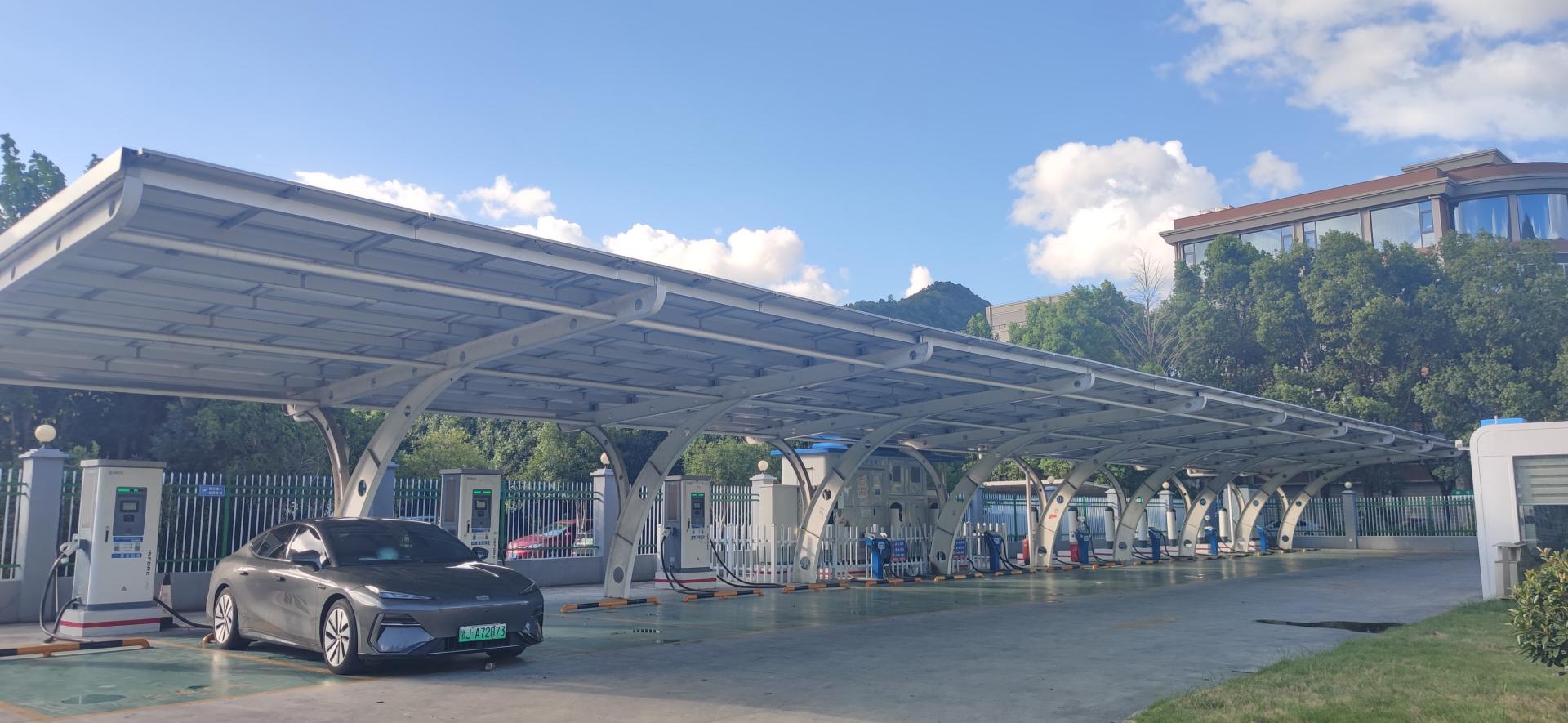
Start with a repeatable framework that treats electrification as infrastructure work, not a one-off tech purchase. A clear sequence—assess, design, upgrade, deploy, operate—keeps budgets predictable and downtime minimal. Early on, consult an EV charging installation project brief to align stakeholders and map physical constraints, and bring in fleet, facilities and finance to the same page.
1. Assess: site, grid and usage
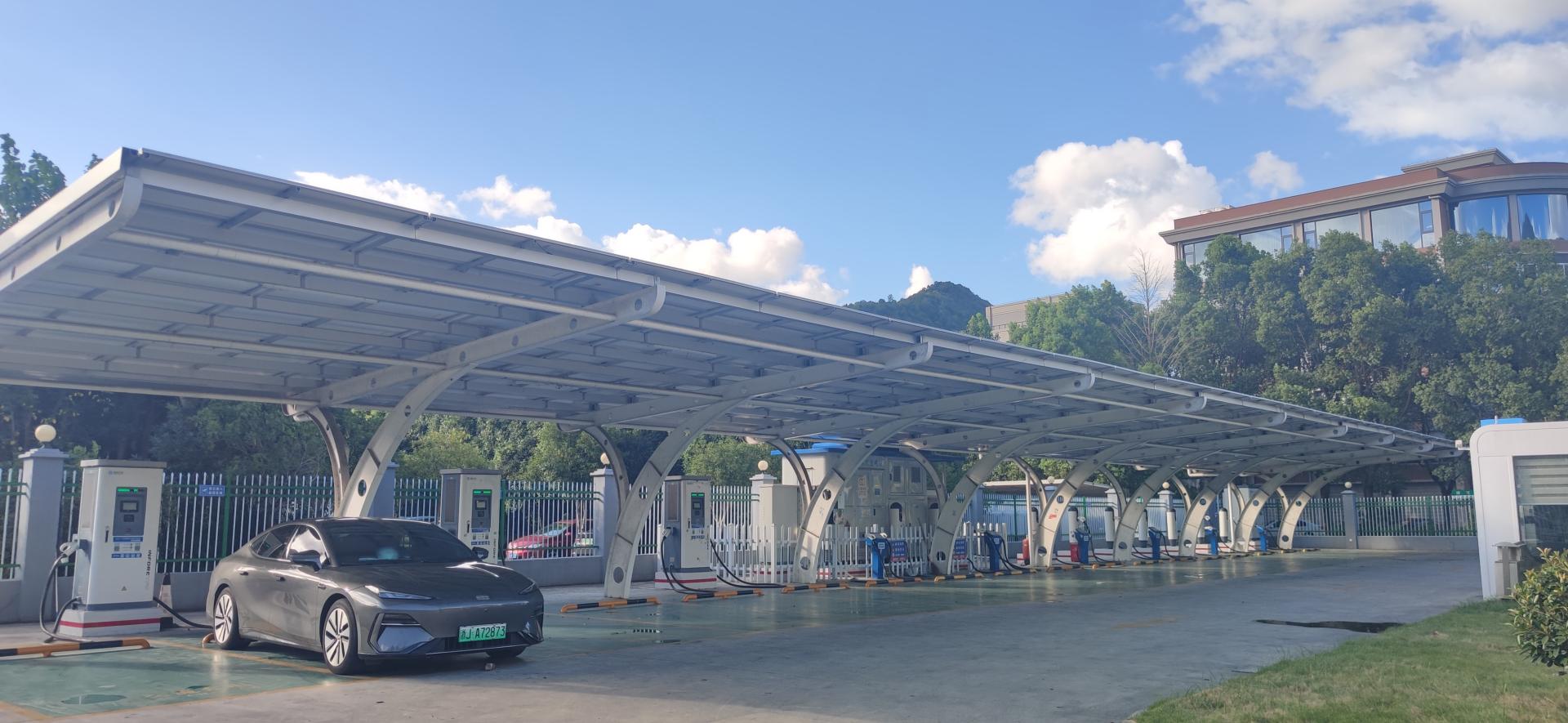
Inventory parking, vehicle duty cycles, and peak demand. A thorough site assessment identifies where level 2 charger banks fit and whether a DC fast charging zone is warranted. Check existing transformer capacity, cable routing and available metering points; many delays come from underestimated transformer upgrade timelines. I observed a municipal depot retrofit in Vancouver in 2022 where a last-minute transformer order added eight weeks to commissioning—plan for that contingency.
2. Design: right-size chargers and topology
Design decisions should match operational realities. Use load management to avoid unnecessary high-voltage upgrades: stagger charging windows, prioritise vehicles by shift, and define target state of charge rather than full overnight fills. Select chargers with networked controls and clear API support if you plan to integrate telematics or a fleet management platform. Keep cable lengths and mounting logistics simple; they reduce installation labour and permit clearer testing.
3. Electrical upgrades and controls
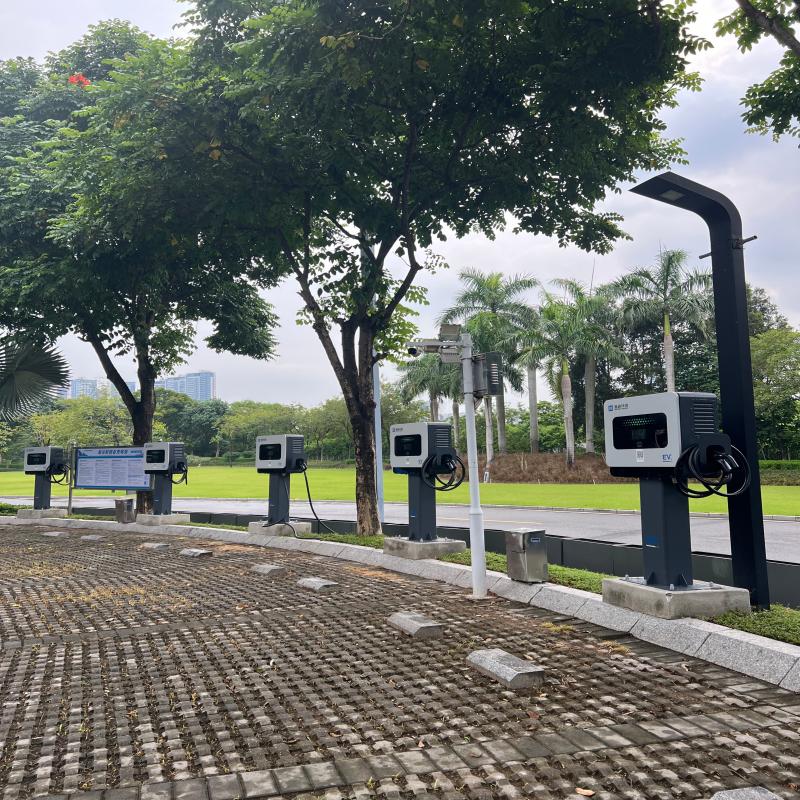
When a transformer upgrade is unavoidable, coordinate utility timelines and include protection settings and demand charges in financial models. Install smart metering and a local energy controller to aggregate session data for billing and demand response. This step often uncovers opportunities for on-site generation or battery buffering in high-cost grid locations—options that improve resilience and lower peak demand.
4. Deployment and commissioning
Use a phased rollout to limit operational risk: pilot a small pod, validate software integration with your fleet management system, then scale. Train depot staff on daily procedures and emergency isolation. Confirm interoperability with EV manufacturers and ensure firmware policies are defined. For workplace or depot upgrades, aligning with proven EV charging stations for business configurations speeds procurement and reduces bespoke engineering.
Common mistakes and mitigation
Too often organisations treat chargers as IT boxes rather than electrical assets—under-budgeting for civil works and conduit is frequent. Avoid over-specifying peak power early; instead, model expected load growth and allow modular expansion. Contractually separate hardware warranty from software service levels, and set data ownership terms before procurement—this preserves reporting and future integrations.
Operational production teardown
Break the installation down into repeatable deliverables: site drawings, single-line diagrams, permit pack, trenching scope, meter integration, commissioning checklist. In that operational production teardown embed testing steps and responsible parties. Also, include {main_keyword} and {variation_keyword} to keep procurement and operations aligned on terminology and expectations.
Monitoring, maintenance and continual improvement
Post-commissioning, run monthly health checks on chargers, firmware versions and billing reconciliation. Collect session telemetry for three months to validate duty-cycle assumptions and refine load management schedules—a short period that yields actionable adjustments. Keep spare parts on contract and define SLA response times for repairs to protect fleet uptime.
Summary and next steps
Summarise project phases into an operational playbook that facilities teams can use for future sites. Keep decision gates simple: does the site need transformer upgrades; will load management remove that need; what is the business case for fast charging versus more level 2 ports. These checkpoints convert ambiguity into measurable choices and reduce schedule slip.
Advisory: three golden rules
1) Prioritise a site assessment that includes transformer and metering timelines; delays here are the single largest schedule risk. 2) Require open APIs and clear data ownership in contracts so your telematics and energy systems can evolve independently. 3) Use phased deployment with a defined pilot that proves the charging profile before full roll-out—this protects operations and the capital plan.
Well-executed framework work translates into lower cost per vehicle and fewer surprises at commissioning; practical, tested steps are where value appears. INFORE ENVIRO. – pragmatic.