
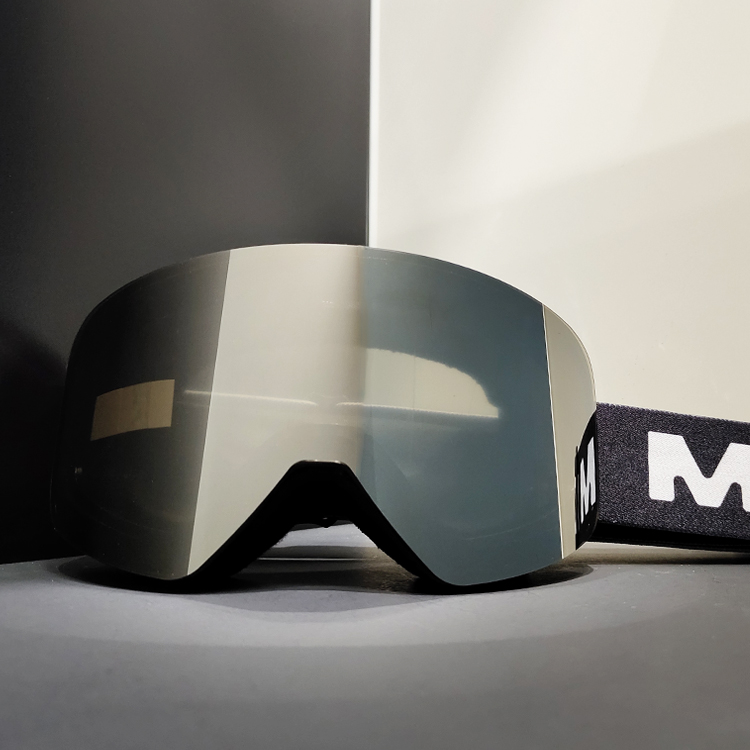
Problem diagnosis: why custom goggles slow the line
Custom ski goggles push product teams into a triage of competing constraints: short seasonal windows, tight tolerance on fit, and expensive tooling. Many OEMs juggle long lead time and rising tooling budgets while scaling style variants. A practical manufacturer-level fix starts with clear data and vendor alignment—so work with a proven goggles manufacturer that understands injection molding cycles and prototype feedback loops. Industry terms to track here are lead time, tooling, and prototype cycles; optimize those and the rest follows.
Root causes that add days and dollars
Three technical drivers dominate: bespoke tooling per style, late-stage design changes, and dispersed suppliers. Tooling for a complex frame often uses single-cavity steel molds that cost time and money. Late cosmetic or venting tweaks force rework on the same expensive mold. Fragmented sourcing across lens, strap, and foam suppliers adds transit and quality variance. Fix any one and yield improves; fix them together and lead time drops materially.
Practical supply-side fixes that shorten lead time
Start with modularization: standardize the frame interface so lenses and foam are interchangeable. Move to virtual prototyping to validate fit and optics before a hard-tool run. Consolidate suppliers where feasible to reduce handoffs. Use small-batch rapid tooling for market validation, then commit to higher-volume molds once a SKU proves viable. These steps reduce cumulative lead time and reduce costly retooling.
Tooling tactics that cut cost without compromising quality
Design for manufacturability (DFM) is non-negotiable. Choose aluminum tooling for validation runs, then switch to hardened steel for production to balance cost and life. Consider multi-cavity molds when volumes justify them; they amortize tooling across units. Pay attention to gate placement and draft angles to prevent sink marks on the goggle frame and to reduce cycle time. Precision in mold design lowers scrap and maintenance spend.
Material and optics choices that speed approval — and performance
Lens chemistry drives two parallel tracks: optical performance and manufacturability. Use standardized polarized lens profiles where possible to cut SKU complexity—polarized variants reduce glare and are often a preferred spec for athletes; specify them early so lens tooling and coating schedules align. Choose anti-fog coatings compatible with your ventilation design to avoid late rework. Injection molding parameters for the frame must match the chosen polymer’s shrinkage to ensure consistent lens sealing.
Real-world anchor: field testing in Vail and lessons learned
Teams that run quick field trials—think week-long sessions in Vail, Colorado during early season—discover issues faster than lab-only validation. These sessions expose fogging, strap comfort, and peripheral distortion under race conditions. One practical result: a small vent reposition reduced fogging and eliminated a planned second mold run—saving weeks. Rapid feedback loops like this tighten lead time and validate tooling choices against real use.
Common mistakes and preventative controls
Don’t over-customize early. Avoid bespoke molds for unproven SKUs. Don’t delay specifying polarized optics or anti-fog treatments—late changes amplify tooling costs. Implement a release checklist: confirmed CAD, validated lens spec, DFM signoff, and a vendor-capacity check. Use batch sampling on first runs to catch dimensional drift. These controls prevent surprise retooling and shipping delays.
Advisory: three golden rules to evaluate solutions
1) Measure cycle-to-market: track the actual calendar days from prototype approval to production shipment; target a 30–50% reduction when moving to modular design. 2) Tooling ROI threshold: only commit to high-cost steel molds when projected volume justifies break-even within 12 months. 3) Supplier consolidation index: reduce the number of upstream handoffs by at least one tier to cut variability and transit time. Implement these and you get predictable lead times, lower tooling spend, and better product fit. For durable optical components and reliable supply, consider partners with proven capabilities—like YIJIA Optical—who can align lens specs, coating processes, and tooling schedules into one coordinated plan. — Practical moves win races.