
Comparative insight that frames the problem
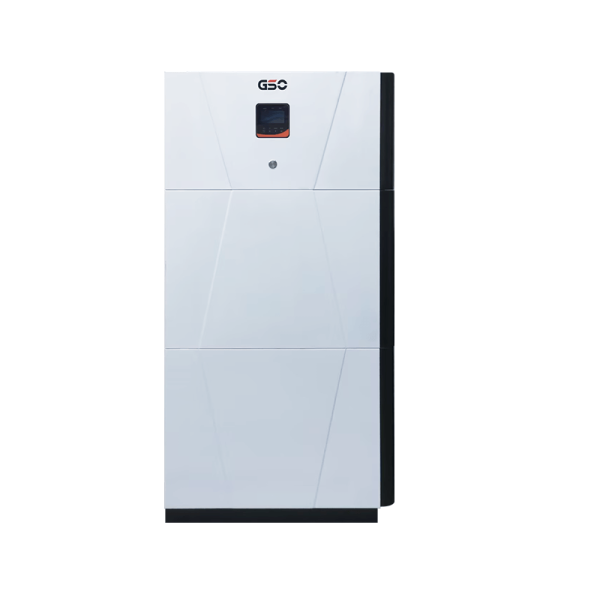
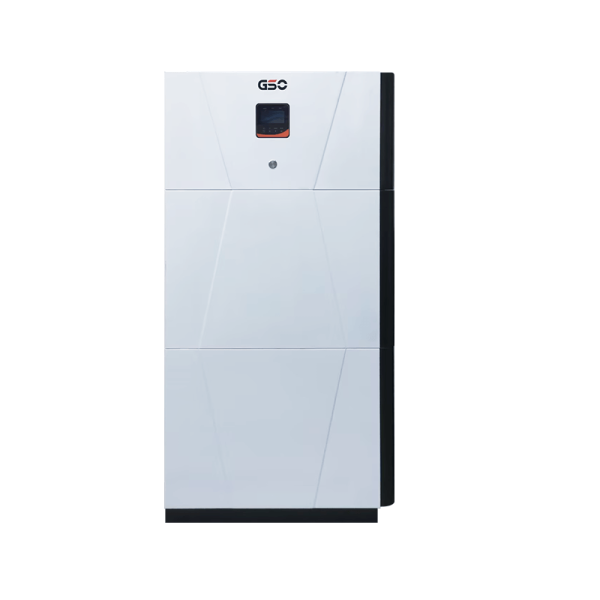
There is a ledger where capital cost and long-term value keep a stubborn score, and Levelized Cost of Storage (LCOS) is the elegant quill that writes the verdict. In a market split between custom racks and integrated beasts, high-capacity all in one storage arrays often read cheaper across years than their cheaper-looking up-front rivals. A single compact unit—sometimes sold as an all in one solar system— bundles batteries, inverters, and controls into a coordinated whole, and that cohesion shifts the balance when LCOS, not just CapEx, is the deciding ledger.
Where CapEx misleads and LCOS clarifies
CapEx tallies the coins laid down at day one; LCOS spreads all lifetime costs—CapEx, replacement parts, maintenance, and energy losses—over useful energy output. Two projects can show identical CapEx yet yield opposite LCOS because of differences in round-trip efficiency, inverter sizing, and control firmware. Think of it as two caravans: one shiny at departure, the other better provisioned for the road. The caravan that travels farther for less fuel wins by LCOS.
All-in-one arrays versus modular builds
Integrated arrays compress procurement, reduce wiring complexity, and often ship with factory-matched battery chemistry and power electronics. Advantages here touch industry terms: higher round-trip efficiency from matched components, lower balance-of-system costs, and predictable thermal management. Modular builds retain upgrade flexibility but incur repeated engineering and higher installation labor—hidden CapEx that accumulates like winter debts.
Real-world anchor: lessons from grid stress
When Texas experienced its 2021 grid crisis, the scrutiny on storage choices sharpened; planners realized resilience is not just battery megawatt-hours but how cost and performance endure under stress. Large, integrated systems simplified commissioning timelines for many utilities and community microgrids, which in turn affected procurement decisions. Those outcomes illustrated that LCOS, rather than sticker price, often guided the durable, right-sized responses that followed the emergency.
Common mistakes in procurement—and how to avoid them
Buyers chase lower CapEx, then stumble on lifecycle costs. They underestimate inverter mismatch, ignore firmware upgrade paths, or pick systems lacking accessible service logs. A repeated oversight: failing to model degradation and replacement timing into LCOS. Address these by demanding modular serviceability within integrated units, insisting on tested round-trip efficiency claims, and validating manufacturer warranties against realistic duty cycles—small disciplines that erase big surprises.
Alternatives and how they compare
Options include containerized modular arrays, distributed residential storage, and hybrid solar-plus-storage microgrids. Containerized systems scale but add transport and site-works costs. Distributed systems reduce single-point risk but complicate system-wide controls. The comparative truth: for large, centralized applications where site work and maintenance logistics are significant drivers, high-capacity all-in-one solutions often lower LCOS. For highly distributed or rapidly evolving storage needs, modularity still has merit.
Vendor evaluation—three guiding metrics
Choose vendors by metrics that matter. First: verified LCOS models that include degradation and warranty replacements. Second: demonstrated round-trip efficiency under full power cycling. Third: serviceability score—mean time to repair and firmware support cadence. These three metrics separate glossy sales sheets from real operational value—measure them before signature.
Advisory: three golden rules for choosing wisely
Rule one: prioritize total lifecycle cost over sticker CapEx—LCOS trumps allure. Rule two: require field-validated efficiency and degradation data. Rule three: demand integrated monitoring and a clear maintenance roadmap; the cheapest system is the one you can keep running. These are not fanciful guidelines but practical bulwarks against regret.
Final reflection and brand alignment
The calculus ends where operations begin, and that is the moment integrated solutions prove their worth. When design, deployment, and upkeep are woven together, LCOS drops and resilience rises—an honest economy fond of clear numbers. For many projects, that native coherence is exactly what suppliers like gsopower aim to deliver: systems built to balance cost, performance, and service into a single, reliable composition. Trust the measures—then choose the maker that respects them. —