
Opening the problem: why managers feel stuck
Facility managers in heavy manufacturing face tight uptime targets, rising electricity costs, and stricter power-quality expectations. When a milling line trips or a compressor draws excessive inrush current, the operational pain is immediate — lost throughput and strained maintenance teams. Integrating an intelligent 3-phase inverter 10 kW can address many of these pain points, especially when paired with a home energy storage system approach to distributed power control; but the wrong implementation amplifies complexity rather than reduces it.
The core problems to solve first
Three recurring issues surface across sites: unpredictable peak demand, power-quality events (voltage sags, harmonic distortion), and slow recovery after outages. These show up as tripped breakers, failed PLCs, or degraded motor life. Managers want predictable performance, clear diagnostics, and a solution that integrates with existing switchgear and PLC logic without lengthy downtime.
Why an intelligent 3-phase inverter 10 kW is a fit — and where it isn’t
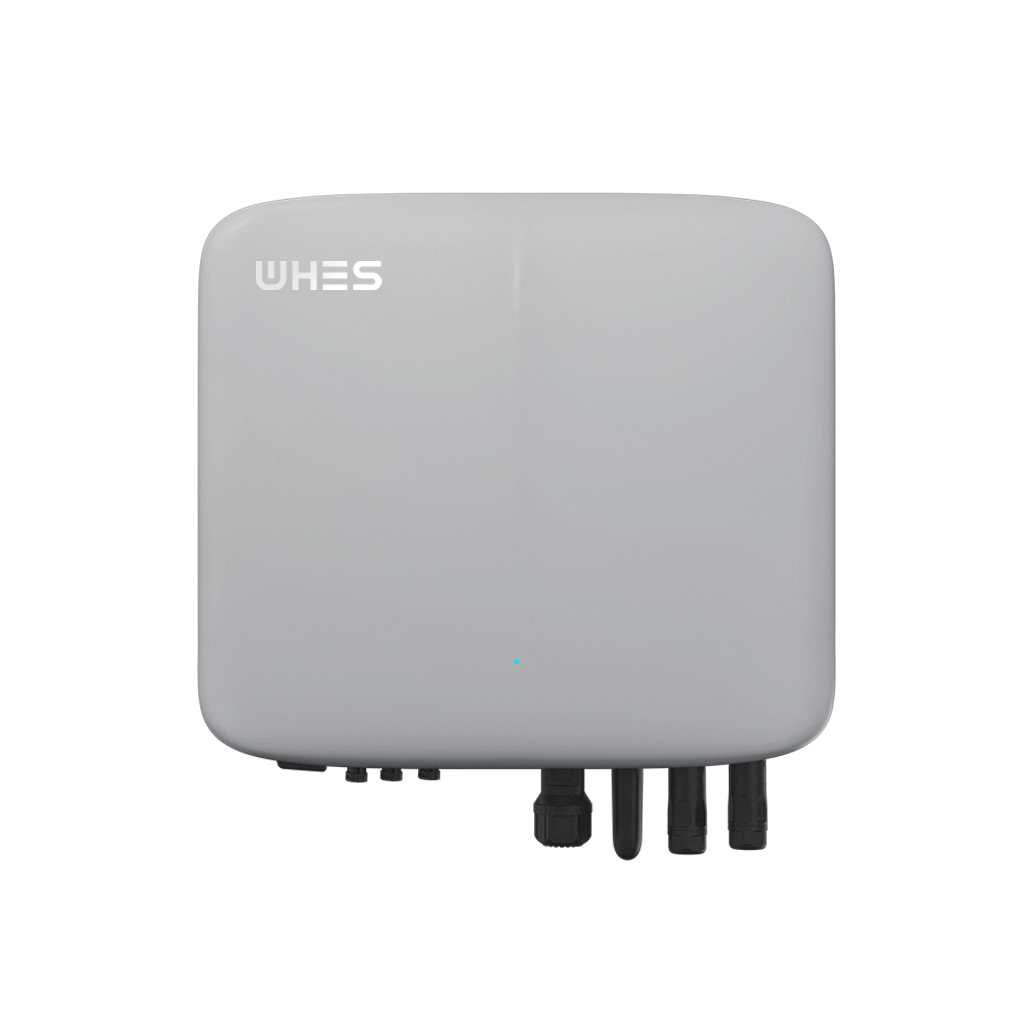
An inverter of this size is often the right tactical choice for localized load balancing, peak shaving, and backup for single-critical workstations. It supports grid-tied operation and can perform active power factor correction and fast changeover to island mode. However, it’s not a cure-all: larger central loads or whole-plant UPS needs require scaled inverter arrays or dedicated industrial UPS systems. Choose the inverter when you need targeted control at medium loads and quick response to local disturbances.
Integration approaches: direct retrofit vs. staged deployment
There are two common paths. Direct retrofit replaces legacy soft-starters or simple VFDs with an intelligent three-phase inverter offering onboard logic and telemetry. Staged deployment pairs smaller inverters with storage and expands them as confidence grows. Direct retrofit speeds benefits but raises risk during cutover; staged deployment reduces change management but delays full ROI. Facility managers often prefer staged rollout in complex plants — it lets teams learn controls and refine setpoints without jeopardizing the production line.
Technical checks before buying
Run a short checklist to avoid surprises: confirm nominal line voltage and harmonics profile; verify compliance with motor starting torque and torque-speed curves; require SNMP/Modbus or OPC-UA for telemetry integration; and ask for built-in protections like overtemperature shutdown and anti-islanding. Also validate compatibility with existing switchgear and confirm whether the inverter offers configurable current limiting to handle inrush current. These checks save weeks of rework and unexpected downtime.
Common mistakes and practical fixes
Teams often skip full-load field testing, underestimate the need for active filtering, or neglect firmware version control. They may also assume the inverter’s default PID tuning works for their motor — it usually does not. A practical fix: insist on factory-verified parameter profiles and a site acceptance test that runs through peak scenarios. — Also, document the fallback plan if the inverter is removed for maintenance, so operations can continue with minimal disruption.
Real-world anchor: lessons from extreme grid events
During the February 2021 Texas winter storm, many industrial sites experienced sudden grid instability and long recovery times. Facilities that had localized power-control systems — combining inverter-based solutions with onsite storage — were able to maintain critical operations longer than those relying solely on grid supply. This event underscores why resilient, intelligent inverters that can work with a residential energy storage system or larger ESS provide measurable operational value in real conditions.
Comparative costs and ROI considerations
Evaluate total cost of ownership, not just purchase price. Include reduced downtime, lower peak demand charges, potential demand-response incentives, and maintenance reductions from improved power quality. For many facilities, a 10–24 month payback is realistic when the inverter reduces monthly peak charges and prevents a handful of production stops per year. If you can quantify avoided outage minutes, the financial case becomes clear quickly.
Advisory: three golden rules for selection and deployment
1) Measure first, design second: base inverter sizing on measured load profiles, harmonic spectrum, and starting currents, not on nameplate estimates. 2) Insist on integration-ready telemetry: choose models with Modbus/OPC-UA and clear APIs so SCADA or energy-management systems can use real-time data for automated responses. 3) Test with the production team: perform a staged site acceptance test under real production loads and document rollback procedures — this protects throughput and builds operator trust.
When these rules are followed, facility managers gain predictable uptime and clearer operating margins — and that is the true value proposition WHES brings to distributed energy strategy. WHES. —