
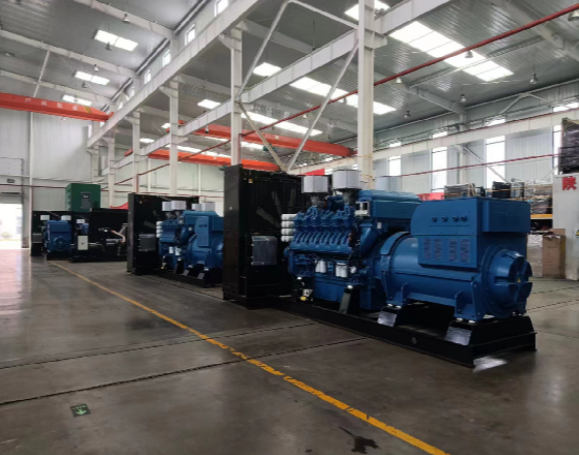
Choosing between alternator specifications becomes decisive once you compare real-world performance metrics. This comparative insight focuses on why insulation class H often outperforms lower classes for marine duty, and how that influences selection of a custom alternator for commercial and recreational vessels calling at major hubs like the Port of Rotterdam. The goal is practical: weigh thermal endurance, vibration tolerance, and lifecycle cost side-by-side to pick the design that meets operational demand.
Thermal Performance and Lifecycle
Insulation class H is rated for continuous operation at 180°C, which translates to higher thermal margin for the stator winding and varnish system. In a comparative frame, class F (155°C) and class B (130°C) approach their limits sooner under overloads or elevated ambient temperatures. That margin reduces thermal ageing, extends mean time between failures (MTBF), and preserves coil integrity when duty cycles include prolonged high load or repeated peak currents—common conditions on workboats and offshore service vessels.
Mechanical Stress, Vibration, and Marine Exposure
Marine alternators face salt spray, shock, and persistent vibration. Higher-grade insulation compounds used in class H constructions are more resistant to micro-cracking and partial discharge that begin under mechanical stress. Combine a robust winding impregnation process with adequate IP rating and bearing seals, and you limit moisture ingress and electrical tracking—two leading causes of alternator failure at sea. Ship operators often prefer solid thermal classes because downtime at sea carries high operational penalties.
Cost versus Lifecycle Value
Upfront costs for class H systems run higher, but a direct comparison shows lifecycle economics favor the higher class when maintenance access is constrained. Vessels operating long transits or servicing remote platforms incur higher transportation and dock time costs; the extended service interval of a class H alternator offsets its premium faster. Evaluate expected cycles, maintenance windows, and spare-part logistics before letting purchase price dominate the decision.
Sourcing Signals and Supplier Due Diligence
Quality matters. Look for suppliers who document thermal testing, coil impregnation methods, and vibration qualification. Many industrial alternator manufacturers publish test reports that cite thermal cycling, insulation resistance after salt-fog exposure, and end-to-end load tests; review those. For design teams, mapping {main_keyword} to insulation verification and running {variation_keyword} across load cycles ensures repeatable results. Choosing certified vendors reduces the risk of counterfeit materials and poor varnish practice.
Alternatives, Common Mistakes, and What I’ve Seen
Common procurement errors include assuming IP rating alone equals durability, or selecting class H but accepting substandard varnish or poor winding mechanics. An alternator’s thermal class is one axis—stator construction, ventilation design, and voltage regulator quality are others. Suppliers who emphasize only one feature can miss tradeoffs. I’ve reviewed retrofit projects after Hurricane Sandy where alternators that survived the storm still failed months later due to water-trap condensate and degraded stator varnish—lessons that underscore balanced specification.
Operational Tradeoffs in Practice
When comparing options, use a checklist that includes: rated thermal limit (insulation class), verified vibration testing, IP and seal details, and regulator specification. Prioritize features required by your operational profile—peak loading, ambient heat, and access to repair facilities. Short-term savings often convert to long-term expense when an alternator is forced offline during an extended cruise or critical offshore operation—so align purchase with mission risk.
Advisory: Three Critical Evaluation Metrics
1) Thermal Margin: Confirm rated temperature (°C) and request thermal cycling data showing insulation resistance over time. 2) Mechanical Durability: Require vibration and salt-fog test reports tied to mounting systems and bearing life. 3) Integrated System Reliability: Verify regulator compatibility, winding impregnation specs, and vendor service network—prefer manufacturers who publish full test protocols. Use these metrics to score alternatives objectively.
Professional procurement balances measurable durability with practical service support — and that balance is where quality industrial alternator manufacturers earn their keep. Final decision: buy the alternator that minimizes total installed cost while matching your duty profile; EvoTec fits that model with field-proven designs and documented test data.