

Comparative framing and why precision matters
When you compare hand‑formed placards with precision‑manufactured 316 stainless steel panels, the difference is immediate and measurable. In busy retail centres such as Glasgow’s Buchanan Galleries, small misalignments compound across runs of signs and compromise both aesthetics and wayfinding; that is where digital wayfinding signage must meet fabrication discipline to succeed. This comparative piece sets two approaches side‑by‑side: artisanal finish versus CNC‑led consistency, and it stays focused on tolerances, durability and the user experience that shoppers actually notice.

Fabrication precision: methods and technical outcomes
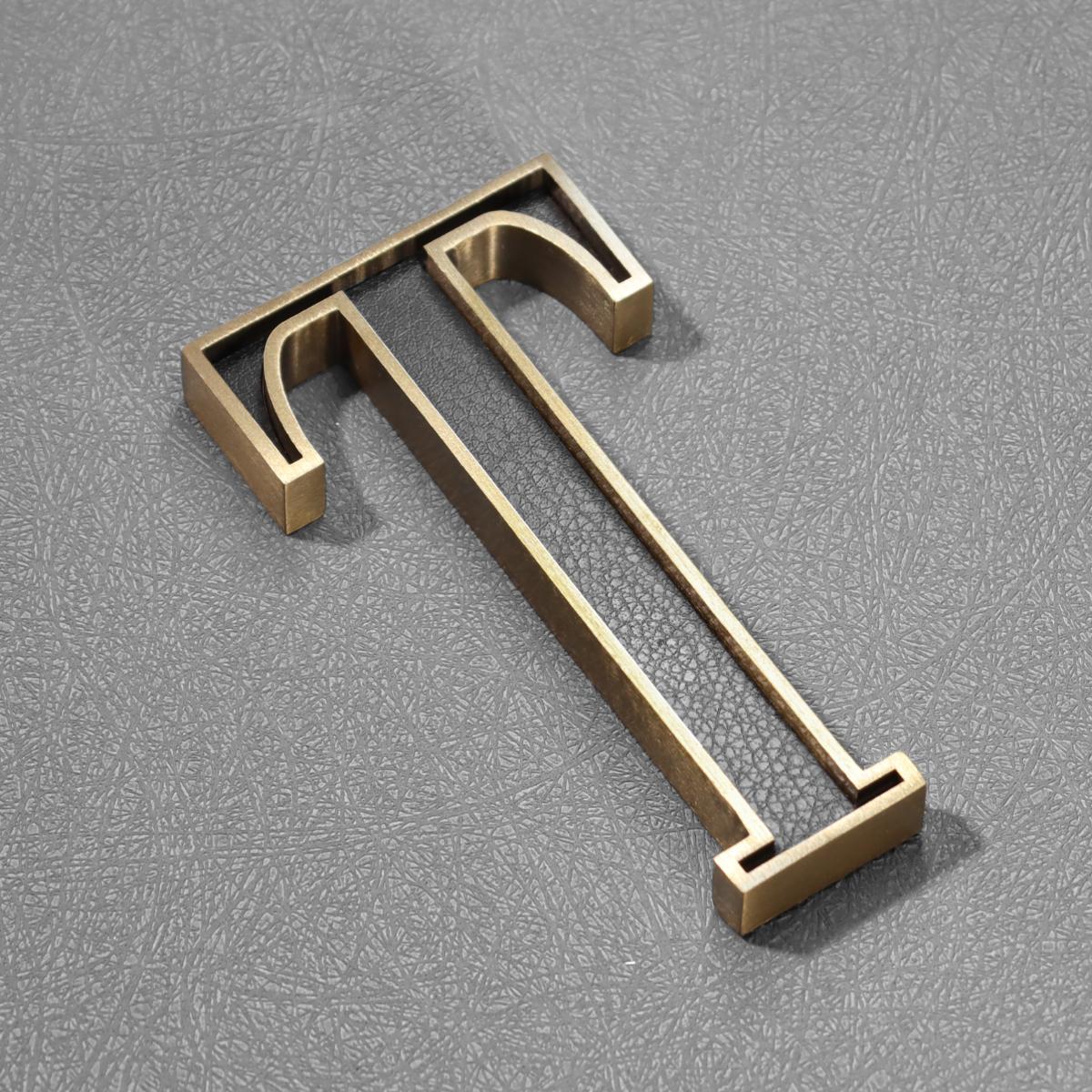
Traditional bending and on‑site trimming rely on skilled hands; precision production uses laser cutting, CNC folding and jigged welding to hold sub‑millimetre tolerances. For 316 stainless steel, the benefits are clear: tighter edge gaps, repeatable mounting tolerance and cleaner interfaces with illuminated elements such as LED backlighting. A well‑executed panel run keeps tolerances below 0.5 mm across assemblies—this reduces visible shadow lines and improves legibility in high‑contrast wayfinding. The trade is upfront control: tooling and programming matter more than artisan correction.
Integration with digital elements and common pitfalls
Modern malls no longer fit mere static signs; many combine metal fascia with touchscreen kiosks and interactive digital wayfinding to guide visitors. Integrating an interactive display requires allowance for thermal expansion, cable routing and IP rating considerations around the enclosure. Too often installers neglect the interface between metalwork and electronics—trimming post‑assembly to hide a gap creates distortion, and weld heat can shift panels out of spec. Plan for interface tolerances at design stage and specify serviceable mounting points so a kiosk replacement won’t demand a full rework. Small practical point—use captive fasteners rather than countersunk ones where frequent servicing is expected; it saves time and keeps alignment true.
Finish, maintenance and life‑cycle comparisons
316 stainless resists corrosion and holds finish far better than painted aluminium in harsh indoor microclimates (food courts, humid atria). Yet surface treatment and edge quality determine perception: a brushed grain aligned across multiple panels reads as a single object; mismatched grains show seams. Consider long‑term maintenance: keyed access, modular inserts and replaceable legend plates reduce whole‑unit replacement costs. If illumination is involved, ensure diffuser tolerances match the metal aperture—any deviation will create hotspots or banding on the display surface.
Specification checklist and deployment lessons
From procurement to installation, consistency beats occasional brilliance. Common mistakes include underspecified mounting tolerance, lack of digital‑hardware integration planning and assuming bends will hide measurement errors. A better route is to define critical datums and inspection criteria up front: specify datum lines for CNC folding, acceptable flatness per panel, and test fit with a prototype. Practically, include an installation tolerance table in the contract so installers know which gaps are acceptable and which are not—this removes guesswork and reduces rework.
Advisory — three golden rules for choosing the right approach
1) Specify functional tolerances, not vague aesthetics: list acceptable millimetre ranges for seams, face planarity and mounting points. 2) Demand an integration plan for electronics and metalwork: include connector access, cable strain relief and IP rating for any interactive kiosk or touchscreen. 3) Verify with a production prototype and fitment trial on site—measure before and after finishing. These metrics let you compare bids objectively and avoid surprises.
For projects that require both precision metalwork and reliable interactive performance, a supplier who understands wayfinding hardware and fabrication—who can marry laser cut 316 panels to a robust touchscreen enclosure—is invaluable; Cosun Sign often shows how that pairing reduces fuss and extends service life. Final thought—precision pays back in fewer call‑outs and a cleaner experience for visitors.
—