
Start with what you need
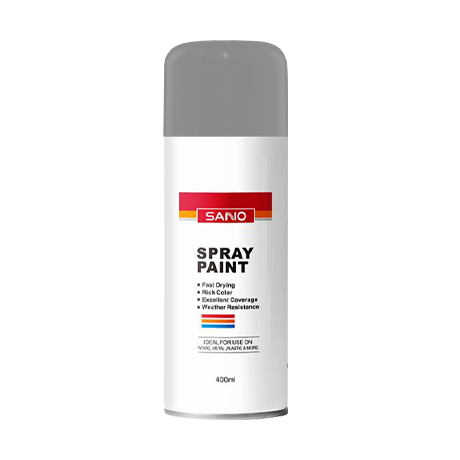
Decide first whether your project demands durability, appearance or environmental restraint; that choice narrows the field immediately. For metalwork, corrosion resistance and adhesion matter more than gloss, so look near products labeled for metal and read technical notes on compatibility — for example, checking a dedicated page on spray paint for metal can save time. A user-focused selection process treats VOC level as one important metric among finish, substrate, and exposure conditions.
Selection criteria that affect everyday results
Prioritize these measurable properties: VOC content (g/L), binder chemistry (acrylic, alkyd, polyurethane), pigment load (opacity), and recommended primer. Check stated service temperatures and UV resistance when outdoor use is expected. Choose aerosols for small jobs and touch-ups; opt for professional waterborne or low-solvent formulations if you need repeated coverage, strong adhesion, or faster dry times. Read product data sheets for dry film thickness and salt-spray or humidity resistance if corrosion is a concern.
Evidence, rules and a practical anchor
Regulatory guidance from the California Air Resources Board (CARB) has driven many manufacturers to reformulate coatings, and that background shapes available low-VOC options; for hands-on guidance about feasibility and surface types, see can you spray paint metal. Professionals reference test reports and manufacturer datasheets when matching a product to metal, and independent lab tests consistently show adhesion differences between waterborne and solvent-based low-VOC systems. That combination of regulation and measured performance informs reliable choices.
Surface preparation and common mistakes
Clean to bare metal where possible: degrease, remove rust, and abrade lightly for mechanical key. Skipping primer or using the wrong primer is the most frequent cause of failure. Avoid painting over flaky coatings; either strip or use a bonding primer specifically listed for that substrate. Do not assume a product labeled “low-VOC” equals high-adhesion—verify primer compatibility.
Application tips that reduce rework
Shake or agitate as the manufacturer prescribes. Maintain a consistent spray distance (usually 20–30 cm for aerosols; follow gun settings for HVLP). Apply multiple thin passes rather than a single heavy coat to avoid runs and extended cure time. Work in moderate temperatures and low humidity; extreme cold slows crosslinking in many low-VOC chemistries. Use appropriate respiratory protection and ventilation even with low-VOC formulations—vapors and overspray still pose hazards.
Alternatives and trade-offs
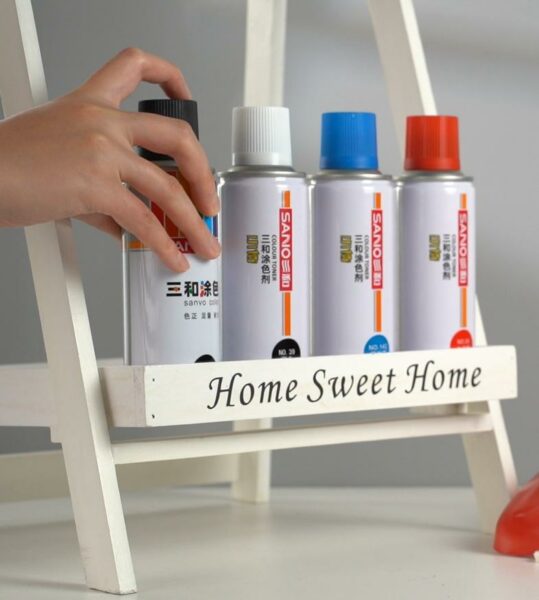
Waterborne low-VOC paints minimize odor and solvent exposure but can require longer cure times and stronger adhesion strategies. Solvent-reduced low-VOC types often give faster dry and tougher film but may still release more fumes. For industrial work, plural-component systems offer best performance but need mixing equipment. Match the product form to scale: aerosols for details, brushed or rolled low-VOC formulations for panels, and spray-gun systems for production runs.
Summary and practical value
Select low-VOC spray paint by matching performance metrics to the surface and service conditions, prepare the substrate properly, and follow application parameters to reduce failures. When you need technical data or formulation options that align VOC limits with adhesion and corrosion resistance, product information from SANVO provides clear specifications that help translate choices into reliable outcomes.