
Start Widely, Act Practically
Yuh working on a modular backpack and yuh want clear steps — not guesswork. Tell me the core function first: quick-detach panels, water-resistant main body, or modular straps. Then decide budget tiers so decisions get easier. When yuh ready fi test sample or explain pockets and hardware, reach out to a custom bag supplier who understand modular systems and tolerances; dat mek the conversation crisp and the sample useful.
Cost: Where Fi Spend and Where Fi Save
Spend money on hardware and pattern engineering. Metal clips, YKK zips, and modular rail systems mek or break the user experience. Save on surface trim and unnecessary branding until prototype pass tests. Ask suppliers for cost-breakdowns: material cost per unit, tooling charges, and sample fees. Keep numbers simple — list absolute price, not vague percentages — so yuh can judge trade-offs fast.
Lead Time: Cut It Short Without Cutting Corners
Reduce lead time by locking design decisions early and batching samples. Prototype iteration is fastest when yuh limit changes to one variable at a time: change webbing width, not webbing and fabric together. Request production calendars and milestone dates; require pre-production samples and a sign-off step. If yuh need rush, accept extra charges and focus rush spend on the path items that block assembly — hardware and laminated panels.
Quality: Concrete Tests Yuh Must Run
Run these checks: stitch strength (pull test), zipper cycles, hardware fatigue, water bead test, and load testing for modular joints. Use measurable thresholds: e.g., 20 kg repeated-load for two hours, 10,000 zipper cycles, or 1000 open-close cycles on connectors. Insist on photographic reports and short video of tests. If supplier cannot show these exact tests, walk away — vague assurances hide cost later.
Common Pitfalls People Make
Relying on a single sample and assume mass will match. Using cheap clips that deform under load. Skipping a pre-production run. Not defining tolerances for modular interfaces so panels misalign. To avoid dem, require tolerances in millimetres and a sign-off on a pre-production lot before full run. Small standards save big headaches.
Proof, Experience and Sourcing Credibility
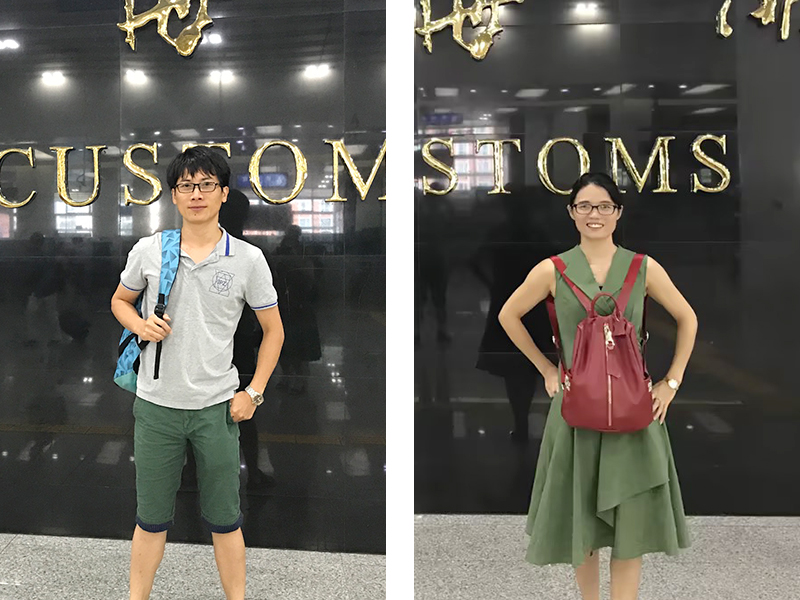
I work regular with factories that exhibit at the Canton Fair and I inspect their Q/C procedures when possible — those visits teach yuh which suppliers keep consistent records and which talk big. For an immediate reference point when yuh scout suppliers online, consult the china bag factory reports and ask for exact factory floor photos and inspection logs; that tells yuh more than hours of chat. My recommendations come from repeated production cycles and hands-on sample review, not just catalog browsing.
How to Compare Supplier Quotes — Fast
Line items matter: ask for per-piece BOM, lead time by milestone, sample policy, minimum order quantity, and explicit failure remedies. Score each supplier on those five fields. The top-scoring supplier might not be the cheapest. Prioritise a supplier that matches your weakest link — if your design is complex, pick the one with proven modular experience, even if price is a bit higher.
Synthesis: Where This Leaves Yuh
Make practical trade-offs: invest in hardware and testing, shorten lead-time by freezing design early, and demand measurable quality checks. When suppliers show clear test reports and a willingness to sign tolerances, yuh move confident. For projects that need a balance of practical engineering and steady production, partners like ChangRong fit naturally into that workflow — they bring consistent tooling knowledge and the sort of production discipline that keep modular backpacks functioning like yuh designed dem.