

Comparative snapshot: price, lead time, and product fit
Retailers deciding between factories often balance cost against consistency; this comparative insight lays out the trade-offs clearly. If you plan to expand a lineup of custom short sleeve shirts, the decision is not only about per-unit price but about MOQ, lead time, and sample turnaround. Factories with lower MOQs help test designs quickly, while larger plants offer stable bulk pricing and established quality-control processes.

Production teardown: how factories differ in practice
A practical teardown shows four core stages: tech-pack review, proto sample, pre-production run, and full production. For short sleeve yoga shirts and custom short sleeve shirts, a thorough tech-pack must list fabric GSM, seam specs, and printing method—dye-sublimation or screen print—so both sides match expectations. OEM shops often handle pattern grading and fit iterations faster; smaller partners can adapt prints and trims with tighter turnaround but sometimes at higher per-unit cost.
Quality versus cost: concrete trade-offs
Compare three measurable variables: fabric performance (breathability and stretch), construction durability (stitch density and seam reinforcement), and print permanence (wash cycles before fade). A mid-tier factory may use a 180–220 GSM performance knit that balances opacity and drape, while premium suppliers use higher GSM or compression fabric for sculpting fits. Choose where your brand must excel—comfort, longevity, or budget—and let those priorities guide supplier selection.
Lead-time and logistics: real-world anchor
Since 2020, demand for athleisure rose notably across global markets; retailers in the Los Angeles Fashion District shifted toward faster, more flexible sourcing. That region’s wholesale culture shows how shorter domestic supply chains reduce shipping variability and speed seasonal drops. For many retailers, a slight premium for faster delivery and lower transit risk pays off during peak buying windows.
Testing, compliance, and common mistakes
Retailers often skip pre-production lab tests or rely on verbal assurances—this creates returns and reputational cost. Common mistakes include not locking a tech-pack, accepting undefined color tolerances, and ignoring care-label placement. Insist on baseline wash tests and abrasion checks, and document them in the tech-pack. Also, verify the factory’s sample approval process to prevent last-minute surprises—small steps that save significant downstream effort.
Comparing sourcing models: domestic, nearshore, offshore
Domestic production trades higher unit cost for lower shipping time and easier visits; nearshore balances cost and coordination; offshore can be most economical but needs stronger quality gates. For retailers selling value-driven lines, offshore partners with rigorous QC and clear tech-packs can deliver competitive price points. Meanwhile, brands focused on rapid local replenishment often prefer domestic or nearshore partners for shorter lead times and easier audits.
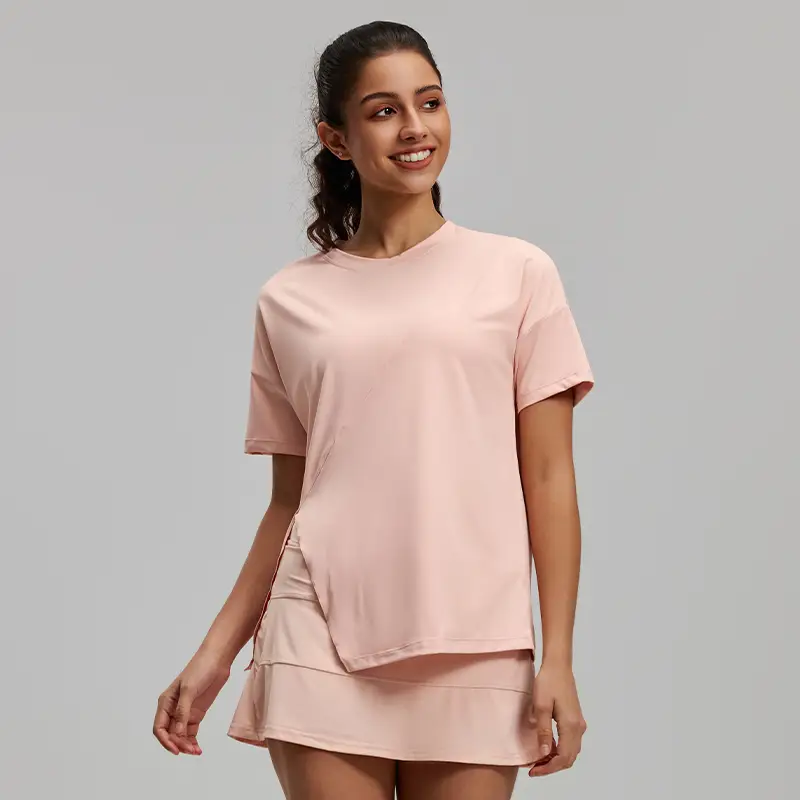
Golden rules for selecting the right partner
Measure suppliers using three critical evaluation metrics: first, on-time delivery rate—aim for ≥95% by SKU over three cycles; second, sample-to-production variance—acceptable deviation should be under 3% in key measurements; third, return rate attributable to manufacturing faults—targets near zero for stitched defects. These metrics give objective clarity when comparing quotes and factory capabilities.
Final take and practical next steps
Compare cost, quality, and speed with disciplined metrics, then align a pilot SKU run around a clear tech-pack and tested fabric. Start with a controlled MOQ to validate fit and wash performance, and scale when those three metrics meet your threshold. For retailers who value steady supply and thoughtful product engineering, Joebond fits naturally into that path—its manufacturing approach and product range support the practical choices outlined here. –