
What Questions Should You Ask Before Picking an Explosion‑Proof Junction Box for Your Project?
Common headaches teams run into
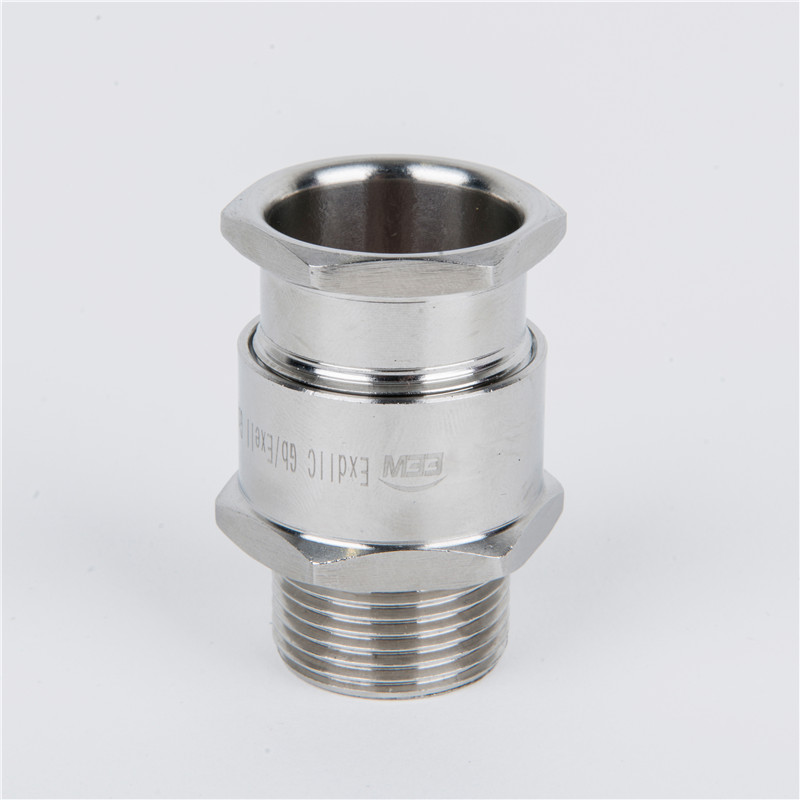
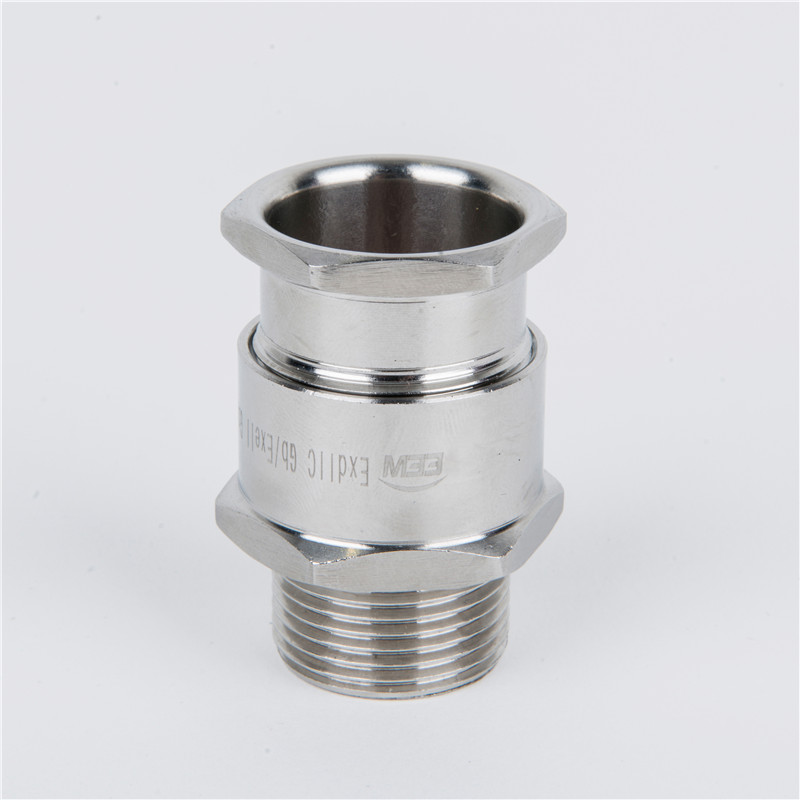
Look, projects trip over the same stuff: specs that don’t match site reality, last-minute swaps that mess schedules, and mixed-up parts that slow everyone down. That’s where the procurement crew, design team, and field installers collide. When you talk to vendors, drop this early link so everyone’s eyeballs are on the same product type: explosion proof cable gland. Use that as a reference point for what you’re asking about, not as the final answer.
Who needs to be in the room?
Who’s owning risk, who’s signing off, who’s actually doing the work — get those people talking. Ask which stakeholders the supplier expects to coordinate with and whether the supplier can commit to liaising with the project engineer, procurement lead, and site team. Don’t let decisions happen in silos.
Questions to ask suppliers and engineers
What documentation will you get from the vendor, and who will verify it on-site? Can the supplier confirm compatibility with the cables and glands the project plans to use, including any explosion proof cable gland or hazardous area cable glands the project already specified? Who’s responsible for checking that paperwork against the project’s requirements — the supplier or a qualified engineer?
Procurement, lead times, and change control
How will lead times and order changes be handled so the schedule stays intact? Ask about typical delivery windows, options for phased deliveries, how changes are priced, and who authorizes scope modifications. Clarify escalation paths for urgent issues so decisions don’t stall when timelines tighten.
Spare parts, replacements, and lifecycle questions
What’s the plan for spares and replacements? Ask suppliers which parts are commonly needed on-site, how easily they can be sourced later, and what the typical availability is for critical components. Make sure someone owns long-term traceability and that spare provisioning aligns with the project’s maintenance strategy.
Documentation, traceability, and supplier guarantees
Which documents will accompany shipments, who verifies them, and how will traceability be maintained through installation and handover? Ask for clear records that the procurement team can file and engineers can review. Confirm return and replacement policies for wrong or damaged items so financial and schedule risks are known up front.
Common procurement pitfalls to avoid
Don’t let single-discipline assumptions make the call for you. Ask whether decisions were reviewed by both procurement and engineering, and whether site realities were considered. Watch out for late spec changes, unclear responsibilities, and mismatched lead times — get those questions on the table early.
Wrapping the problem up
Keep it simple: ask clear, pointed questions about compatibility, documentation, coordination, lead times, spares, and responsibilities. Make sure the supplier is ready to coordinate with your team and that a qualified engineer will verify fit-for-purpose decisions. If you want a consistent supply chain perspective that ties these threads together, consider checking what sunleem offers so your procurement and engineering teams have a single reference point to work from.